BBQ Pulled Beef Sliders: The Ultimate Guide to Juicy Sliders
BBQ pulled beef sliders bring together tender shredded beef, smoky barbecue sauce, and soft rolls in a way that feels both simple and satisfying.
They work well as a quick dinner, a party appetizer, or a game day snack that can be made in large batches without much effort.
These sliders give a straightforward way to serve flavorful barbecue in a bite-sized, shareable form.
The appeal comes from how easy they are to prepare while still offering plenty of flavor.
With just a few basic ingredients—slow-cooked beef, barbecue sauce, cheese, and rolls—anyone can assemble them in minutes once the meat is ready.
Baking them together creates a warm, melty finish that makes them hard to resist.
Whether served at a family meal or prepared for a crowd, BBQ pulled beef sliders fit into many occasions.
This guide will explain what makes them unique, how to choose the right ingredients, and the simple steps to build them at home.
It will also cover helpful tips, storage methods, and answers to common questions so that every batch turns out right.
What Are BBQ Pulled Beef Sliders?
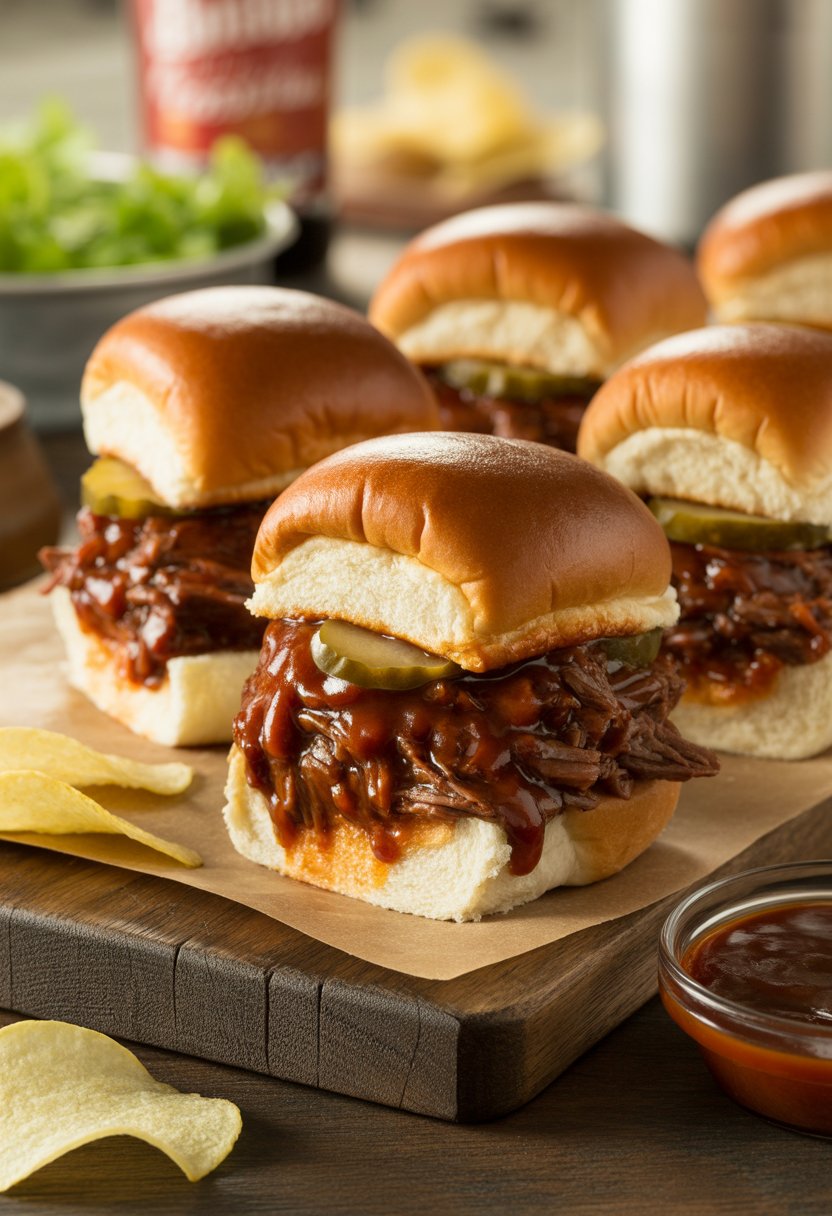
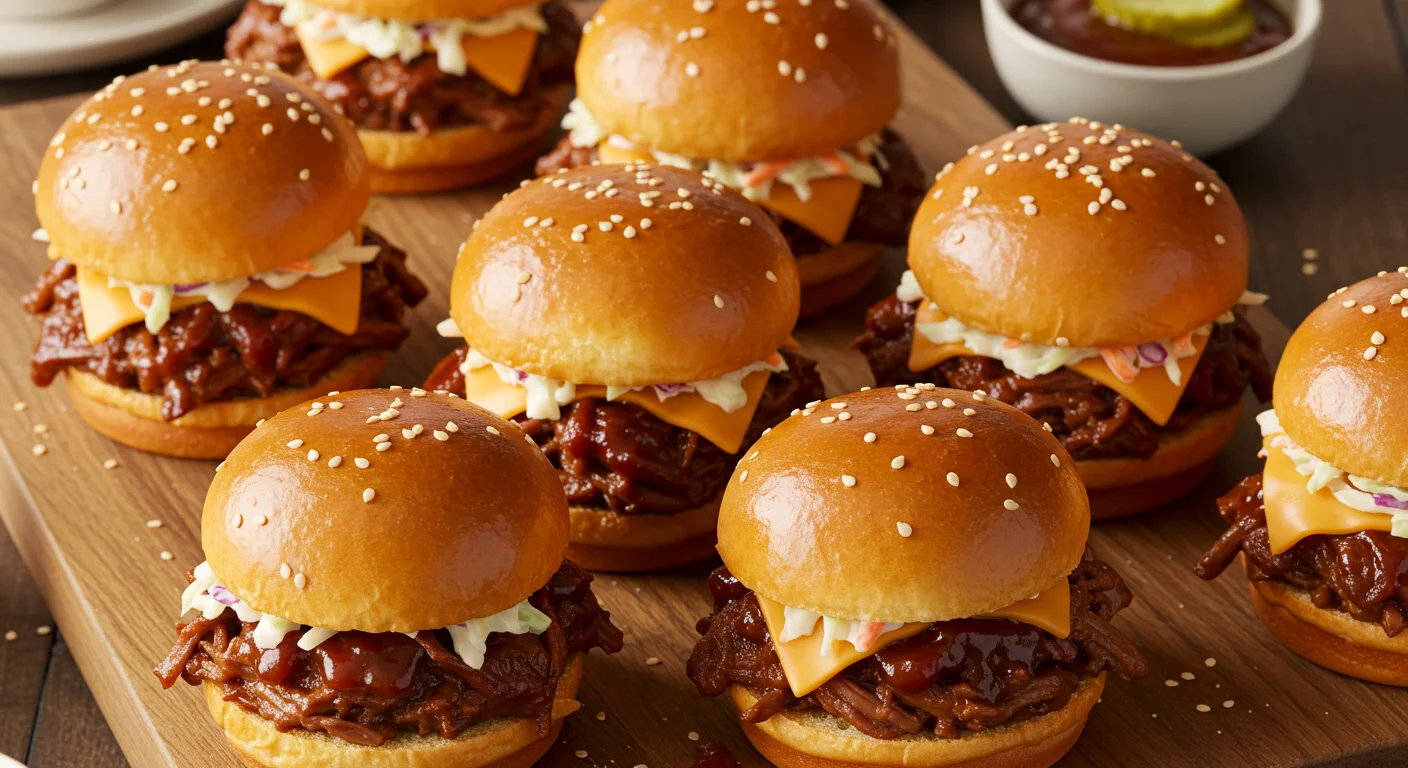
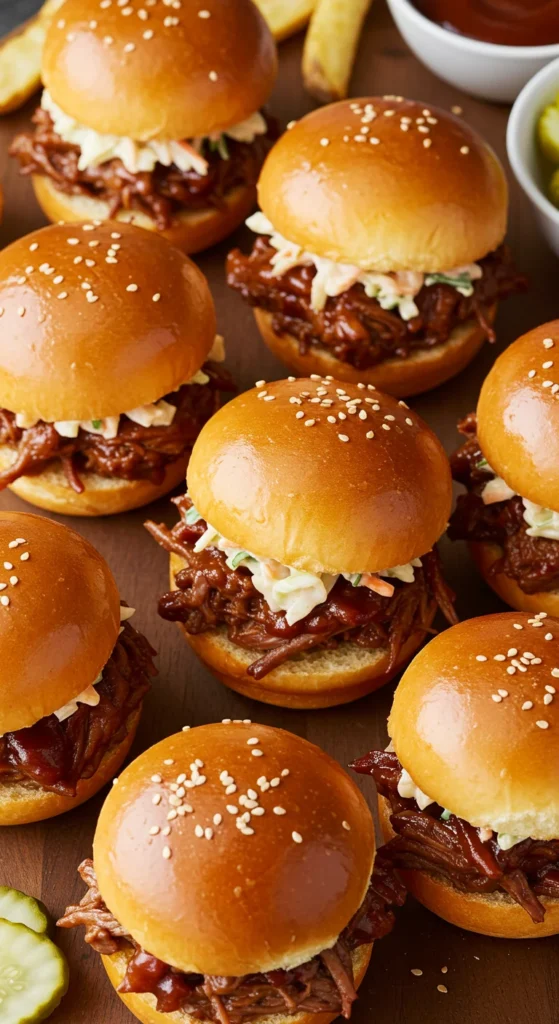
BBQ pulled beef sliders are small sandwiches made with shredded beef slow-cooked until tender, then coated in barbecue sauce and served on soft buns.
They differ from other slider varieties by using beef instead of pork and are often chosen for gatherings because they are easy to serve in large batches.
Defining Pulled Beef and Sliders
Pulled beef refers to beef that has been cooked slowly until it becomes tender enough to shred with a fork.
Cuts like chuck roast or brisket are common because they contain enough fat and connective tissue to stay moist during long cooking.
The meat is usually mixed with barbecue sauce for flavor and moisture.
Sliders are small sandwiches typically served on soft rolls.
They are designed for easy handling and portion control, making them ideal for parties or casual meals.
When combined, pulled beef sliders bring together the texture of shredded beef with the convenience of bite-sized buns.
Toppings such as coleslaw, pickles, or cheese are often added for crunch, freshness, or richness.
This balance of tender meat, sauce, and toppings makes them versatile and adaptable to different tastes.
Key Differences from Pulled Pork Sliders
Pulled pork sliders and pulled beef sliders share a similar concept but differ in flavor, texture, and cooking approach.
Pork shoulder, often used for pulled pork, has a sweeter and milder taste compared to beef.
Beef, on the other hand, delivers a richer, more savory flavor that pairs well with smoky or tangy sauces.
Cooking times also vary.
Pork shoulder usually cooks slightly faster and shreds more easily, while beef requires longer cooking to break down tougher fibers.
This difference gives beef sliders a heartier bite compared to the softer texture of pulled pork sliders.
The choice of sauce also highlights the contrast.
Pulled pork often leans toward sweet, vinegar-based, or mustard sauces.
Pulled beef works well with bold, smoky barbecue sauces that stand up to the stronger flavor of the meat.
Popular Occasions for Serving
Pulled beef sliders are a common choice for casual gatherings where guests eat in a relaxed setting.
They are often served at backyard barbecues, family dinners, and game-day parties because they can be prepared in advance and kept warm in a slow cooker.
They also work well for events where variety is important.
Hosts can offer pulled beef sliders alongside pulled pork sliders, giving guests a choice between two distinct flavors.
Because the sandwiches are small, they fit easily into menus with multiple dishes.
Guests can enjoy them as appetizers, snacks, or as part of a larger meal without committing to a full-sized sandwich.
Essential Ingredients for BBQ Pulled Beef Sliders
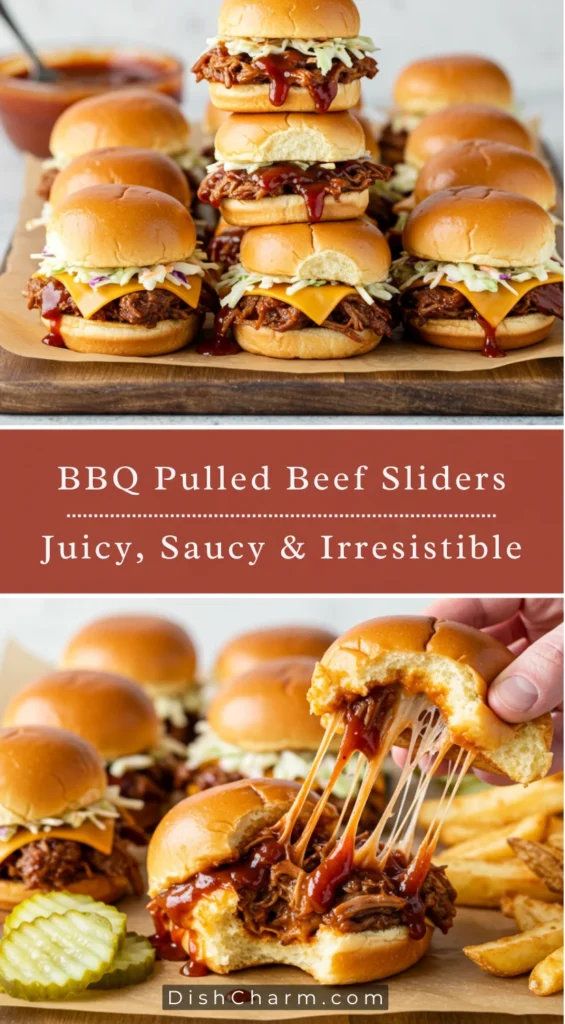
The foundation of a good BBQ pulled beef slider comes down to the quality of the meat, the balance of the sauce, the type of bread, and the right toppings.
Each choice affects the final texture and flavor, making some options better suited than others.
Best Cuts of Beef for Pulled Sliders
The most common cut for pulled beef sliders is beef chuck roast.
It has enough marbling to stay moist during long, slow cooking and shreds easily once tender.
Chuck roast also absorbs flavors from broth, spices, and barbecue sauce without drying out.
Another option is brisket, which offers a deeper beef flavor and a slightly firmer texture.
Brisket requires longer cooking but delivers rich results when braised or smoked.
Less fatty cuts, like round roast, can be used but may turn out drier.
In those cases, adding extra broth or sauce helps.
For best results, cooks often choose chuck roast for its balance of tenderness, cost, and availability.
Choosing the Right BBQ Sauce
The sauce should complement, not overpower, the beef.
A balanced barbecue sauce usually combines sweet, tangy, smoky, and savory notes.
Common bases include tomato, vinegar, or mustard.
For sweeter sliders, a sauce with brown sugar or molasses works well.
For tangier results, vinegar-based sauces cut through the richness of the meat.
Smoky sauces with paprika or chili powder add depth without needing extra seasoning.
Some cooks mix store-bought sauce with beef broth or apple cider vinegar to thin it slightly and help it soak into the shredded beef.
Keeping extra sauce on the side allows guests to adjust flavor to their liking.
Slider Buns and Roll Options
The bread should be soft but sturdy enough to hold juicy beef and sauce.
Slider buns made with enriched dough work well because they stay tender without falling apart.
Hawaiian rolls are a popular choice.
Their light sweetness balances smoky barbecue flavors, and their pull-apart design makes them easy for serving a crowd.
Toasting the buns lightly with butter helps prevent sogginess.
Other options include potato rolls, brioche buns, or simple white dinner rolls.
The key is choosing bread that enhances the filling without competing with it.
Toppings and Add-Ons
Toppings add freshness, crunch, or creaminess.
Coleslaw is the most common, providing a crisp contrast to tender beef.
It can be creamy with mayonnaise or vinegar-based for a lighter option.
Pickles add acidity and cut through the richness of the sauce.
Thinly sliced onion offers sharpness, while shredded cheese melts into the beef for extra flavor.
For a richer slider, a light spread of mayonnaise on the bun creates a creamy base.
Simple sides like extra sauce or sliced jalapeños allow customization without overwhelming the sandwich.
Step-by-Step Preparation Guide
Making BBQ pulled beef sliders involves three main stages: cooking the beef until tender, shredding it with the right balance of sauce, and assembling the sliders with buns and toppings.
Each stage has specific steps that ensure the beef stays moist, flavorful, and easy to serve.
Slow-Cooking the Beef
The foundation of a good slider recipe is tender, slow-cooked beef.
A chuck roast works well because it has enough fat and connective tissue to stay juicy during long cooking.
Many cooks use a smoker or grill set to low heat, around 250°F, to infuse a smoky flavor.
Before cooking, the beef should be trimmed of excess fat and coated with a simple rub such as salt, pepper, and garlic.
This seasoning helps form a flavorful bark during smoking.
If a smoker is not available, the beef can be braised in a covered pot or slow cooker with broth and onions.
Moisture is key during this step.
Spraying or basting the roast with beef broth every hour prevents it from drying out.
When the internal temperature reaches about 200°F, the beef should be tender enough to shred easily.
Shredding and Mixing with Sauce
Once the beef is fully cooked, it should rest for 15–20 minutes to allow the juices to settle.
Shredding can be done with two forks, meat claws, or even by hand once the meat is cool enough to handle.
Removing any remaining large fat pieces ensures a cleaner texture.
The shredded beef should then be mixed with sauce.
A BBQ sauce that balances sweet, smoky, and tangy flavors works best.
Some cooks add a splash of beef broth or pan juices to prevent the meat from becoming too thick or sticky.
Mixing in a skillet over low heat helps the sauce coat the beef evenly.
This step locks in flavor and keeps the beef warm until it is ready to be served.
Assembling the Sliders
For assembly, soft slider buns such as Hawaiian rolls are popular because they hold up well without overpowering the beef.
The buns should be sliced in half horizontally, creating a top and bottom sheet.
A layer of pulled beef goes on first, followed by optional toppings like pickles, onions, or coleslaw.
Some recipes also add a smoked cheese sauce for extra richness.
After layering, the top sheet of buns is placed back on.
The sliders can be baked briefly in the oven or set on a grill to warm the bread and help the flavors meld.
Cutting them into individual portions makes them easy to serve to a group.
Tips for Perfect BBQ Pulled Beef Sliders
Small details make a big difference when preparing BBQ pulled beef sliders.
Choosing the right flavors, toppings, and sides helps balance the juicy beef with textures and tastes that keep each bite satisfying.
Flavor Enhancements and Variations
Seasoning the beef well before cooking creates depth.
A simple mix of salt, pepper, garlic powder, and smoked paprika works, but adding Worcestershire sauce or apple cider vinegar gives the meat more tang.
For a sweeter profile, a touch of brown sugar in the sauce can balance the smoky notes.
Using smoked beef instead of slow-cooked beef changes the flavor completely.
Smoking a chuck roast over low heat infuses the meat with a rich, wood-fired taste that pairs well with tangy barbecue sauce.
Toppings also shape the sliders.
Coleslaw adds crunch and freshness, while pickles bring acidity to cut through the richness of the meat.
For creaminess, some prefer a thin layer of mayonnaise or butter on the buns before adding the beef.
Different cheeses can also be used.
Mild cheddar melts easily, while smoked gouda adds another layer of smokiness.
Each adjustment lets the cook tailor the sliders to the crowd’s tastes.
Serving Suggestions and Pairings
Presentation matters when sliders are served to a group.
Soft slider buns brushed with melted butter before toasting hold up well to the juicy beef and prevent sogginess.
Serving the sliders warm keeps the beef tender and flavorful.
For sides, simple dishes work best.
Potato salad, baked beans, or roasted vegetables balance the richness of the sliders.
A crisp green salad with a vinegar-based dressing can also help lighten the meal.
Drinks pairings make a difference too.
A cold lager or light ale complements smoky beef, while sweet iced tea or lemonade provides a non-alcoholic option that refreshes between bites.
When serving for parties, arranging the sliders on a platter with extra coleslaw and pickles on the side allows guests to customize each sandwich to their preference.
This setup keeps the meal flexible and easy to enjoy.
Storing and Reheating Leftovers
Pulled beef sliders often leave extra meat and buns behind, and proper storage keeps both safe and tasty for later meals.
Cooling the beef quickly and reheating it with added moisture helps preserve texture and flavor.
Refrigeration and Freezing Methods
Pulled beef should cool to refrigerator temperature within 2 hours of cooking.
Storing it in airtight containers or vacuum-sealed bags prevents drying and limits bacterial growth.
Labeling with the date helps track freshness.
In the fridge, cooked beef lasts about 3–4 days.
Slider buns should be stored separately in a sealed bag at room temperature for 2–3 days, or in the freezer for longer use.
For freezing, shred the beef before packing.
Adding a small amount of broth or sauce to the container helps retain moisture.
Whole slider buns freeze best when wrapped tightly in plastic and placed in a freezer bag.
Frozen beef can keep for up to 3 months if sealed well.
Best Practices for Reheating
Reheating pulled beef works best with gentle, moist heat. Wrapping the meat in foil with a splash of broth or sauce and warming it in a 250–275°F oven keeps it tender.
The goal is to reach an internal temperature of 160°F without drying the meat. For small portions, a skillet with a bit of stock or butter works well.
Microwaves should only be used for small servings, and the beef must be covered with added liquid to avoid uneven heating. Slider buns should not be reheated with the meat.
Instead, warm them briefly in the oven or toast them lightly before assembling the sliders. This keeps the bread soft while preventing sogginess.
Frequently Asked Questions
How can I make BBQ pulled beef sliders in a slow cooker?
Season the beef with a dry rub and place it in the slow cooker with barbecue sauce or broth. Cook on low for 8–10 hours or high for 4–6 hours until the meat shreds easily with a fork.
Shred the beef, mix it with cooking juices, and serve on buns.
What is the best cut of meat to use for pulled beef sliders?
Beef chuck roast is the most common choice because of its marbling and connective tissue, which break down during long cooking. Brisket or bottom round can also work, though chuck roast is usually more affordable and easier to find.
What toppings are recommended for BBQ beef sliders?
Classic options include coleslaw, dill pickles, and sliced onions. Some people add jalapeños for heat or crispy fried onions for crunch.
A drizzle of barbecue sauce ties everything together.
How long does it take to cook BBQ pulled beef in the oven?
At 300°F (150°C), a 3–4 pound chuck roast usually takes 3–4 hours covered in a roasting pan with liquid. The beef should reach an internal temperature of about 200°F (93°C) before shredding.
Can I use Hawaiian rolls for making BBQ beef sliders?
Yes, Hawaiian rolls are a popular choice. Their soft texture and slight sweetness pair well with smoky, savory pulled beef.
Potato rolls or brioche buns also work well.
What is a good coleslaw recipe to pair with BBQ beef sliders?
Combine one bag of shredded cabbage and carrots with ½ cup mayonnaise, 2 tablespoons apple cider vinegar, and 1 tablespoon sugar.
Season with salt and pepper to taste.
For extra flavor, add celery salt or a splash of lemon juice.