Beef and Broccoli Stir-Fry: The Ultimate Guide to a Takeout Classic
Beef and broccoli stir-fry has become a staple in many kitchens because it balances tender meat, crisp vegetables, and a savory sauce in one quick dish.
It offers a simple way to bring the flavors of Chinese takeout into a home kitchen without complicated steps or hard-to-find ingredients.
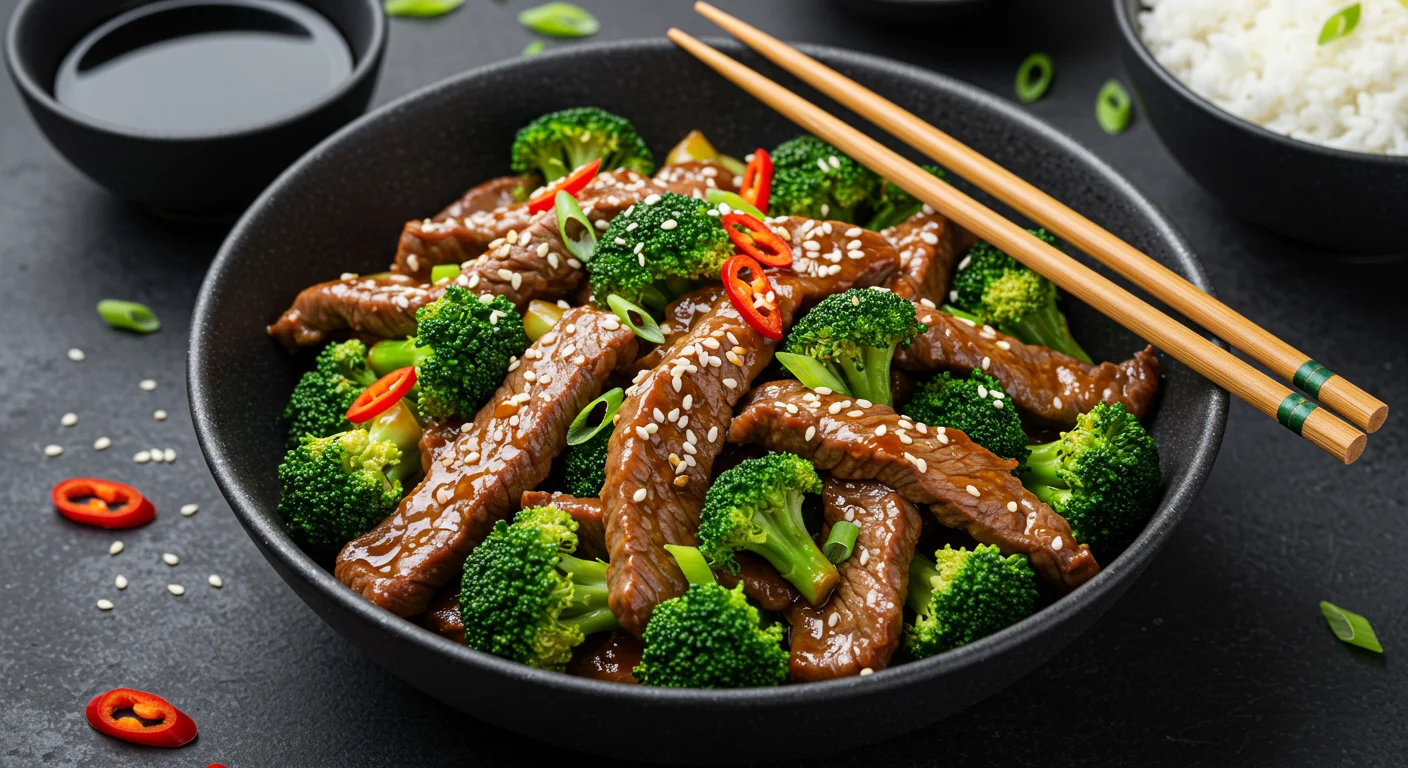
This dish combines seared beef, fresh broccoli, and a rich sauce into a balanced meal that can be ready in under 30 minutes.
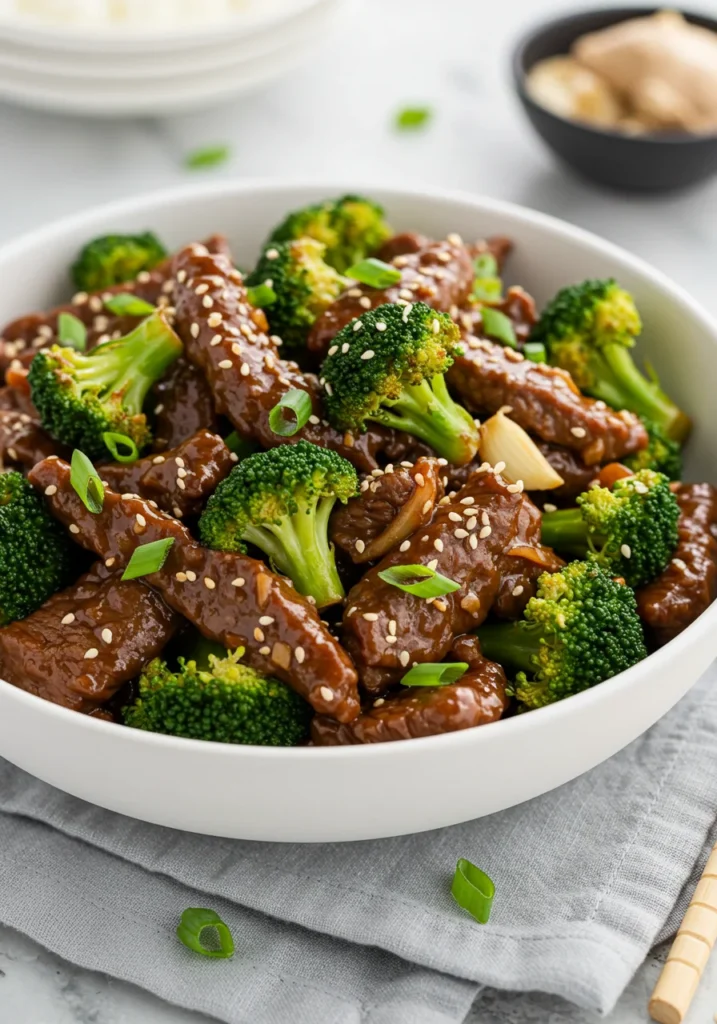
The appeal comes from its versatility and straightforward process.
With the right cut of beef, a few pantry sauces, and fresh broccoli, anyone can prepare a dish that feels both satisfying and practical for weeknights.
The method focuses on quick cooking at high heat, which keeps the broccoli crisp and the beef tender.
This post will break down the essentials, from choosing ingredients to step-by-step cooking techniques.
It will also share tips for getting restaurant-style results, ideas for pairing, and simple variations that make the recipe adaptable to different tastes.
Essential Ingredients for Beef and Broccoli Stir-Fry
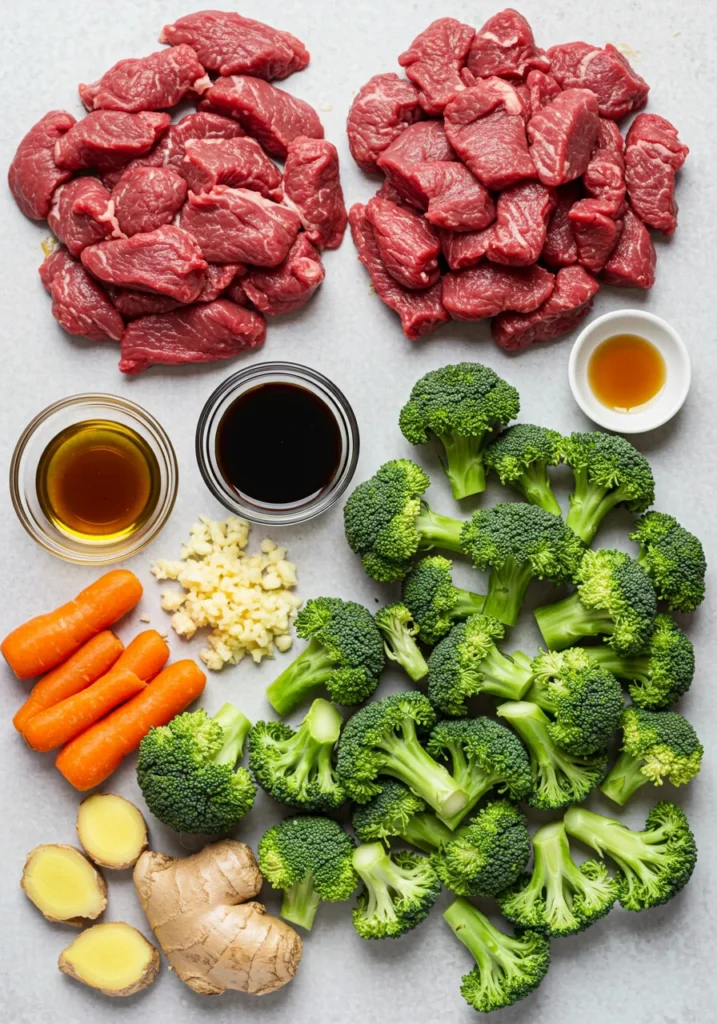
The flavor and texture of beef and broccoli stir-fry rely on a balance of tender meat, crisp vegetables, and a savory sauce.
Specific cuts of beef, fresh broccoli preparation, and the right mix of sauces and seasonings make the dish both simple and satisfying.
Key Sauces and Seasonings
The sauce is the backbone of beef and broccoli stir-fry.
Soy sauce provides saltiness and depth, while oyster sauce adds a mild sweetness and umami flavor.
Many cooks also include sesame oil for a nutty finish and a small amount of brown sugar or light brown sugar to balance the salt.
Cornstarch plays two roles.
It tenderizes beef when used in marinades and thickens the sauce when mixed with water into a slurry.
A touch of black pepper or white pepper sharpens the flavor without overpowering it.
Aromatics such as fresh garlic and fresh ginger are usually stir-fried in vegetable oil before adding the sauce.
This step infuses the oil with flavor and creates a strong base for the dish.
For extra depth, cooks often add a splash of Shaoxing wine or dry sherry, both of which highlight the savory notes in the beef.
Garnishing with toasted sesame seeds at the end adds texture and a mild crunch.
Best Cuts of Beef
The choice of beef determines how tender the stir-fry will be.
Flank steak is widely used because it is lean, flavorful, and easy to slice thinly across the grain.
Skirt steak and sirloin steak are also good options, offering a balance of tenderness and cost.
For a richer dish, some choose ribeye or tenderloin, though these cuts are more expensive.
Chuck steak can work if sliced thinly and marinated well, but it requires more care to avoid toughness.
Marinating the beef with a mix of soy sauce, cornstarch, and a small amount of oil helps create a velvety texture.
Some cooks also add a bit of baking soda to tenderize, though this step is optional.
Regardless of the cut, slicing the beef thinly and against the grain ensures it cooks quickly and stays tender in the stir-fry.
Choosing and Preparing Broccoli
Broccoli florets are the standard choice for this dish.
They should be cut into bite-sized pieces so they cook evenly and remain crisp.
Using the stalks is also possible—peel the tough outer layer and slice them thinly to reduce waste.
Blanching the broccoli in boiling water for 30–60 seconds before stir-frying helps it stay bright green and slightly tender.
This step prevents overcooking when it is later combined with the beef and sauce.
Freshness matters.
Firm, dark green florets without yellowing or soft spots give the best flavor and texture.
Frozen broccoli can be used in a pinch, but it may release excess water and soften too quickly.
Pairing broccoli with aromatics like garlic and ginger enhances its flavor.
Once tossed in the sauce, the florets absorb the savory mixture, balancing the richness of the beef with a clean, fresh taste.
Step-by-Step: How to Make Beef and Broccoli Stir-Fry
This dish comes together by preparing the beef with a simple marinade, cooking the broccoli until tender-crisp, stir-frying everything quickly over high heat, and finishing with a savory sauce.
Each step ensures the beef stays tender, the broccoli keeps its color, and the flavors blend evenly.
Marinating and Preparing the Beef
Thin slices of beef cook quickly and stay tender when cut against the grain.
Sirloin, flank, or skirt steak works well because they have enough flavor and texture to hold up in a stir fry recipe.
A simple marinade helps season the meat and prevents it from drying out.
A common base includes soy sauce, rice vinegar, garlic, and a small amount of cornstarch.
The soy adds saltiness, vinegar balances the flavor, garlic adds aroma, and cornstarch lightly coats the beef to create a smooth texture when cooked.
The meat should marinate for at least 15 minutes.
This short time is enough for the sauce to coat the surface without breaking down the meat.
If left too long, the vinegar can make the beef mushy.
When ready to cook, the beef should be patted dry to prevent excess liquid from steaming the meat.
This step ensures it browns properly in the pan.
Cooking the Broccoli
Broccoli should be cut into small florets that cook quickly but remain firm.
The stalks can also be peeled and sliced thin so nothing goes to waste.
Cooking begins with a quick sear in hot oil.
This step gives the broccoli a slight char, which adds flavor.
After that, a few tablespoons of water can be added to steam the broccoli until it turns bright green and tender-crisp.
The goal is to avoid overcooking.
Broccoli that cooks too long becomes soft and loses its color.
Proper timing keeps it crunchy, which balances the tender beef.
Light seasoning with salt during cooking helps bring out the broccoli’s natural flavor.
Once done, it should be set aside before stir-frying the beef.
Stir-Frying Techniques
Stir-frying requires high heat and quick movement.
A wok works best, but a large skillet can also be used if heated until very hot.
The beef should be cooked in small batches to avoid crowding the pan.
Crowding lowers the heat, causing the beef to steam instead of sear.
Each batch only needs about 1 minute per side.
Vegetable oil or another neutral, high-smoke-point oil is ideal.
Oils like olive oil can burn at high heat, so they are less effective.
Keeping ingredients close by and ready to add makes the process smoother.
Stir-frying moves fast, so preparation before cooking is essential.
Combining Ingredients and Finishing Touches
Once the beef and broccoli are cooked, they can be combined in the pan with the stir fry sauce.
A typical sauce includes soy sauce, sugar, garlic, rice vinegar, and cornstarch mixed with water.
The cornstarch thickens the sauce, helping it cling to the beef and broccoli.
The sauce should be stirred before adding because cornstarch settles at the bottom.
Once poured in, it thickens quickly as it simmers.
The beef, broccoli, and any juices are tossed together until coated.
This step takes less than 2 minutes.
Overcooking at this stage can make the broccoli soft and the sauce too thick.
For serving, the stir fry can be placed over rice, noodles, or even pasta.
A sprinkle of sliced scallions or fresh chili adds color and freshness, making it a balanced and quick dinner option.
Tips for the Perfect Beef and Broccoli
Good results depend on tender beef, crisp broccoli, and a balanced sauce.
Careful preparation and attention to cooking steps help prevent tough meat, bland flavors, or soggy vegetables.
Achieving Tender Beef
The cut of beef matters.
Flank steak works well because it is lean yet flavorful.
When sliced thinly across the grain, it cooks quickly and stays tender.
Marinating the beef improves texture and taste.
A simple mix of soy sauce, cornstarch, and a little oil helps lock in moisture.
Many cooks use a technique called velveting, where beef is coated in cornstarch and lightly seared or blanched before stir-frying.
This creates a smooth surface and prevents the meat from drying out.
Cooking at high heat is also important.
Quick searing locks in juices and avoids overcooking.
The beef should be added in small batches so each piece browns evenly.
Overcrowding the pan lowers the heat and makes the meat steam instead of sear.
Balancing Flavors
A good stir-fry sauce should be savory, slightly sweet, and full of umami.
Soy sauce provides saltiness, while oyster sauce or hoisin adds depth.
A small amount of sugar balances the flavors without making the dish too sweet.
Fresh garlic and fresh ginger are essential.
Garlic gives a sharp, aromatic base, while ginger adds warmth and brightness.
Adding them early in the stir-fry releases their oils and builds flavor in the sauce.
Texture balance also matters.
The broccoli should stay crisp-tender, not soft.
Blanching the florets before stir-frying helps keep their bright color and firm bite.
When combined with the tender beef and rich sauce, the dish feels complete and well-rounded.
Common Mistakes to Avoid
One of the most common errors is cutting the beef too thick.
Thick slices take longer to cook and can turn chewy.
Thin, even pieces ensure quick cooking and tenderness.
Overcrowding the pan is another mistake.
Too much food at once lowers the heat and causes uneven cooking.
Cooking in batches keeps the stir-fry hot and consistent.
Broccoli can also be overcooked.
If left too long in the pan, it becomes soft and watery.
Blanching for just a minute or two before stir-frying prevents this problem and gives the best texture.
Finally, skipping cornstarch in the sauce can lead to a thin, watery coating.
A small amount thickens the sauce so it clings to both the beef and broccoli.
Serving Suggestions and Pairings
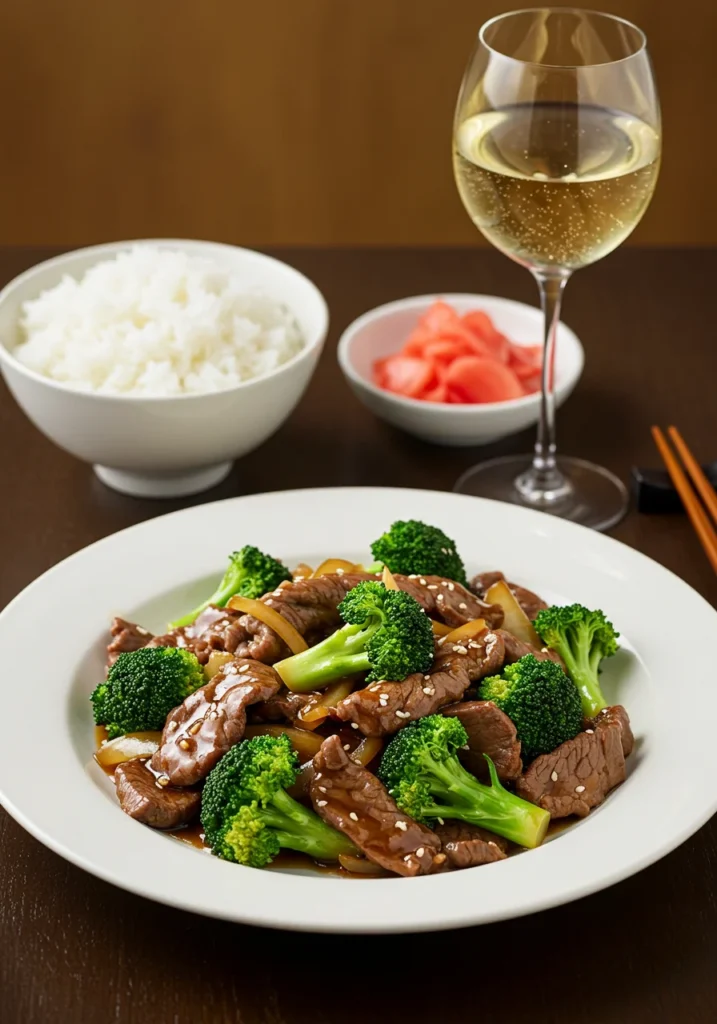
Beef and broccoli stir-fry pairs well with simple sides that balance its savory sauce and tender vegetables.
Small touches like garnishes or plating choices can also make the dish more appealing and complete the meal.
Best Sides for Beef and Broccoli
Rice remains the most common pairing.
Steamed jasmine rice absorbs the sauce without overpowering the flavors, while garlic fried rice or egg fried rice adds extra depth.
For a lighter option, cauliflower rice or quinoa pilaf works well.
Noodles also make a strong choice.
Sesame noodles bring nutty flavor, and vegetable lo mein provides both texture and variety.
For added crunch, sides like spring rolls, steamed dumplings, or Asian slaw can balance the stir-fry’s richness.
Lighter vegetable options also complement the dish.
Cucumber salad, stir-fried green beans, or pickled vegetables add freshness and acidity that cut through the sauce.
For a warm side, miso soup or egg drop soup pairs naturally with Chinese-inspired meals.
| Side Dish | Key Feature | Why It Works |
|---|---|---|
| Steamed Jasmine Rice | Neutral and fluffy | Absorbs sauce well |
| Garlic Fried Rice | Savory and aromatic | Adds flavor depth |
| Sesame Noodles | Nutty with mild spice | Balances beef richness |
| Cucumber Salad | Crisp and refreshing | Provides contrast |
Presentation and Garnishes
Appearance can influence how the dish is enjoyed. Serving beef and broccoli stir-fry in a shallow bowl allows the sauce to coat the rice or noodles evenly.
A clean white plate also highlights the bright green broccoli and glossy beef. Simple garnishes add both flavor and texture.
Toasted sesame seeds provide a nutty bite, while sliced green onions add freshness. A sprinkle of red pepper flakes can give mild heat without overwhelming the dish.
Condiments on the side, such as soy sauce, chili oil, or hoisin sauce, let diners adjust flavor to taste. Small details like neatly arranged broccoli florets and evenly cut beef slices make the dish look more polished and inviting.
Variations and Customizations
Beef and broccoli stir-fry adapts well to different proteins, vegetables, and sauces. It can also be adjusted for dietary restrictions by changing ingredients without losing flavor or texture.
Alternative Proteins and Vegetables
While beef sirloin is common, other cuts such as flank steak or skirt steak also work well when sliced thin. For a lighter option, chicken breast or thighs provide a mild flavor that pairs easily with the sauce.
Shrimp cooks quickly and adds a slightly sweet taste, while tofu offers a plant-based choice that absorbs seasoning well. Vegetables beyond broccoli can add color and texture.
Bell peppers, snap peas, and carrots bring sweetness and crunch. Mushrooms add an earthy flavor and soften during cooking.
Bok choy or baby corn can also be included for variety. A simple way to balance flavors is to mix vegetables with different textures.
For example:
| Vegetable | Texture | Flavor |
|---|---|---|
| Broccoli | Crisp | Mild |
| Carrots | Firm | Sweet |
| Mushrooms | Soft | Earthy |
Adjusting for Dietary Needs
For lower sodium, cooks can use reduced-salt soy sauce or dilute regular soy sauce with water. Gluten-free tamari or coconut aminos replace soy sauce entirely.
Oyster sauce alternatives are available, but a mix of soy sauce and a touch of sugar can mimic its depth. Those avoiding cornstarch can thicken the sauce with arrowroot or tapioca starch.
Using less oil or steaming vegetables before stir-frying reduces fat content. Vegetarians can replace beef with firm tofu or tempeh.
Vegans should also check sauces for hidden animal products and use plant-based oyster sauce. To enhance flavor without heavy seasoning, a splash of Chinese rice wine adds depth and aroma.
Frequently Asked Questions
How can I tenderize beef for stir-fry to achieve restaurant-quality texture?
Slice the beef thinly against the grain to shorten muscle fibers. A marinade with soy sauce, cornstarch, and a small amount of baking soda helps soften the meat.
Quick cooking over high heat locks in tenderness without overcooking.
What are the essential ingredients for a traditional beef and broccoli stir-fry sauce?
The base usually includes soy sauce, oyster sauce, garlic, and ginger. A touch of rice wine vinegar or sugar balances the salty flavors.
Cornstarch mixed with water thickens the sauce so it coats the beef and broccoli evenly.
What are some healthy alternatives to serve with beef and broccoli stir-fry?
Steamed brown rice adds more fiber than white rice. Cauliflower rice provides a low-carb option.
Whole grain noodles or quinoa can also pair well without changing the flavor of the stir-fry.
Can beef and broccoli stir-fry be made in advance and if so, how should it be stored?
Yes, it can be cooked ahead and stored in an airtight container in the refrigerator for up to three days. For best results, keep the beef and broccoli separate from the sauce and combine them when reheating.
This prevents sogginess and keeps the texture firm.
What are the steps to creating a quick and easy beef and broccoli stir-fry at home?
Start by slicing and marinating the beef. Blanch or steam the broccoli until just tender.
Cook the beef quickly in a hot pan, then add the broccoli and sauce. Finish by thickening the sauce and serving over rice or noodles.
How can I incorporate noodles into a beef and broccoli stir-fry while maintaining authentic flavors?
Cook the noodles separately until just tender. Toss them into the stir-fry at the end.
Add a little extra sauce so the noodles absorb flavor without drying out the dish.
Thin rice noodles or lo mein noodles work best for this method.