Beef Bolognese with Spaghetti: The Ultimate Comfort Food Guide
Beef Bolognese with spaghetti brings together tender ground beef, slow-simmered tomatoes, and simple aromatics for a hearty meal that feels both classic and comforting.
It is a rich, savory sauce served over pasta that turns a handful of everyday ingredients into a satisfying dish.
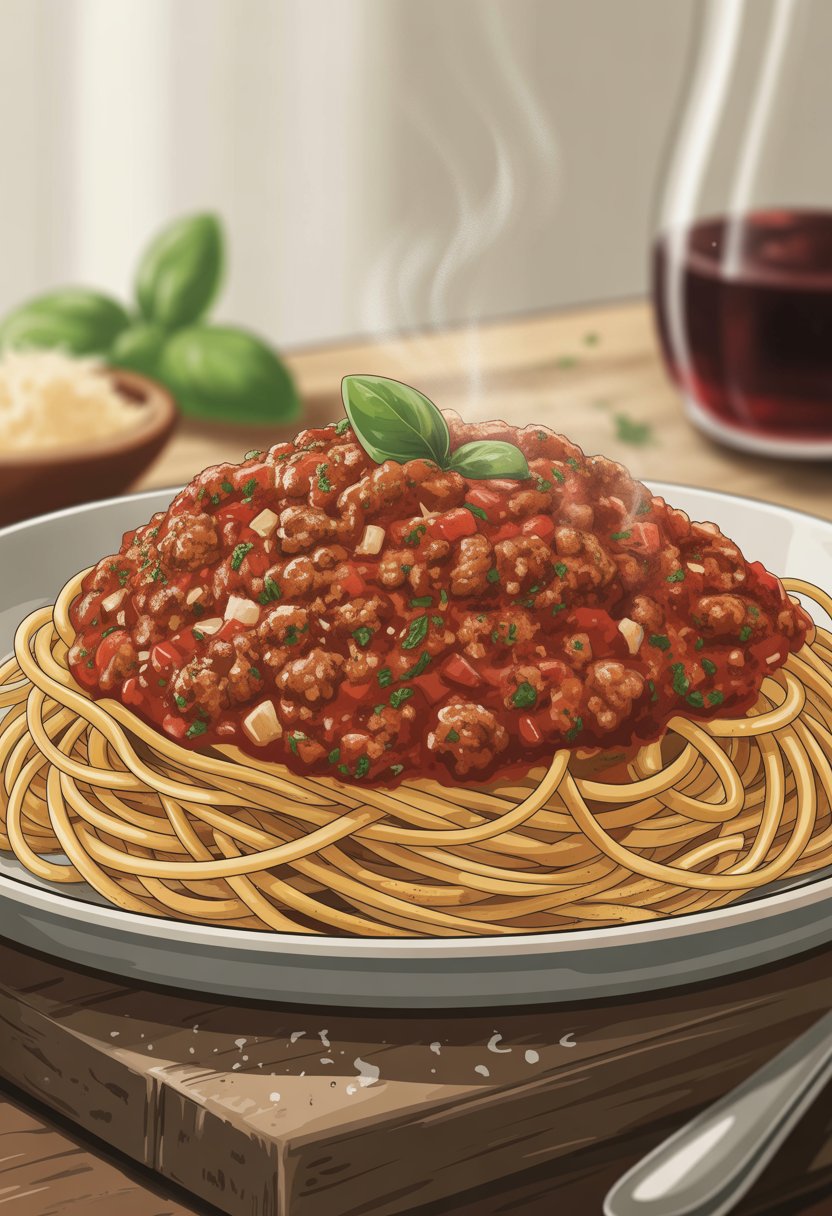
This combination has become a staple in many kitchens because it balances depth of flavor with straightforward preparation.
The sauce develops body from beef, milk, and wine, while spaghetti provides the perfect base to soak it up.
Anyone making this dish can adjust it to taste, whether by choosing different pasta shapes, adding herbs, or adapting it for dietary needs.
With the right ingredients, clear steps, and a few useful tips, Beef Bolognese with spaghetti becomes a dish worth returning to again and again.
Core Ingredients for Beef Bolognese with Spaghetti
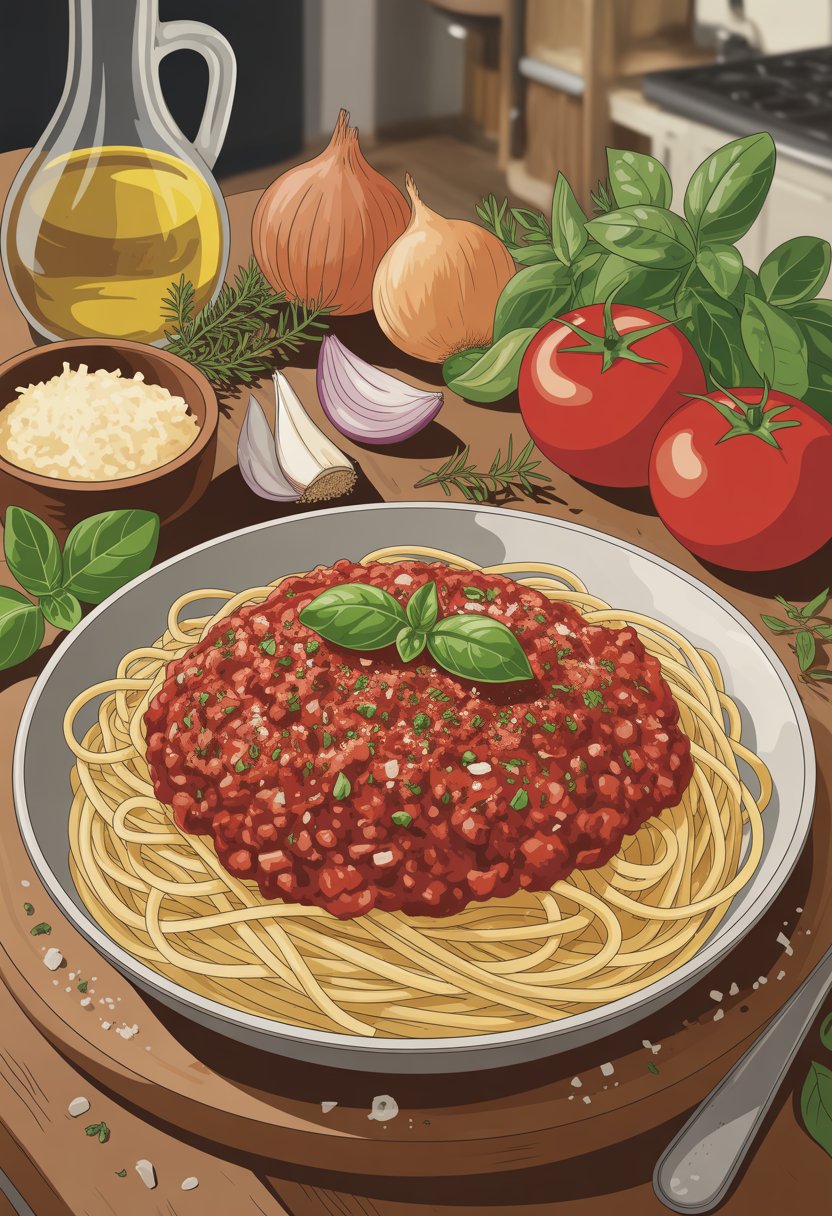
Beef Bolognese with spaghetti relies on a balance of proteins, vegetables, tomatoes, and seasonings.
Each ingredient plays a specific role in building depth, texture, and flavor in the sauce.
Careful selection and preparation of these components create a dish that is both hearty and well-rounded.
Essential Proteins and Vegetables
Ground beef forms the base of the sauce, providing richness and body.
Some cooks also mix beef with pork or Italian sausage for added flavor and fat balance.
Browning the meat properly in olive oil builds a deeper taste before other ingredients are added.
Vegetables create the foundation known as soffritto.
This includes finely diced onions, carrots, and celery.
Onions bring sweetness, carrots add subtle earthy notes, and celery contributes a mild bitterness that balances the sauce.
Cooking these vegetables slowly ensures they soften and release their natural flavors.
Garlic is another key addition.
Minced garlic is usually added after the soffritto has softened to prevent burning.
Its sharpness mellows as it cooks and blends into the meat.
Together, these ingredients create the backbone of the Bolognese before tomatoes and seasonings are introduced.
Tomatoes and Sauces Used
Tomatoes provide acidity and sweetness that balance the richness of the meat.
Many recipes use crushed tomatoes or plum tomatoes for texture.
Crushed tomatoes create a smooth consistency, while whole plum tomatoes can be broken down during cooking for a chunkier sauce.
Tomato paste is often added early in the cooking process.
It intensifies the tomato flavor and gives the sauce a thicker body.
A small amount of beef stock or water may be used to adjust consistency as the sauce simmers.
Some versions include red wine, which adds depth and a slight tang.
The wine is usually reduced before tomatoes are added, allowing the alcohol to cook off while leaving behind concentrated flavor.
This combination of tomato products and liquid creates a sauce that clings well to spaghetti.
Herbs, Spices, and Aromatics
Herbs and spices define the character of the finished Bolognese.
Dried oregano and dried thyme are common, while fresh basil or parsley is often added at the end for brightness.
A bay leaf may be simmered with the sauce to add a subtle herbal note.
Milder spices like black pepper balance the sweetness of the tomatoes.
Some cooks add red pepper flakes for gentle heat, though this is optional.
A pinch of sugar may also be used to round out acidity if the tomatoes are very sharp.
Aromatics such as garlic, onions, and herbs are layered throughout cooking.
Adding them at different stages—some early for depth, others fresh at the end—ensures the sauce develops complexity without overwhelming any single flavor.
This careful balance makes the seasoning blend seamless with the meat and tomatoes.
Step-by-Step Cooking Instructions
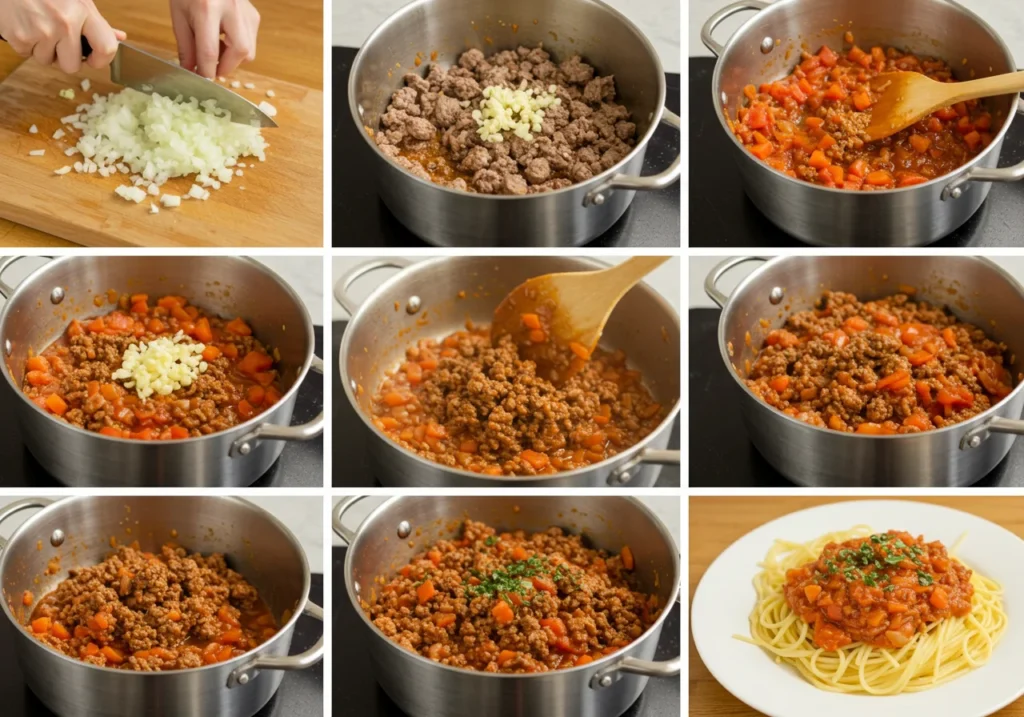
The process begins with building a flavorful meat sauce that develops depth as it simmers.
Next, the pasta must be cooked properly so it holds its texture and absorbs the sauce.
Finally, the two are combined and finished with simple garnishes that enhance both taste and presentation.
Preparing the Bolognese Sauce
Heat olive oil or a small amount of butter in a large pan over medium heat.
Add finely chopped onions, carrots, and celery, then cook until softened.
Stir in minced garlic and let it cook briefly until fragrant.
Add ground beef and break it apart with a spoon.
Cook until browned and no longer pink.
For more richness, some cooks mix in Italian sausage or use a blend of beef and pork.
Deglaze the pan with a splash of red wine if desired.
Stir in canned tomatoes or tomato paste and season with salt, pepper, and dried herbs like oregano or thyme.
Allow the sauce to simmer gently for at least 45 minutes, stirring occasionally.
To create a creamier texture, add a small amount of heavy cream near the end of cooking.
This balances the acidity of the tomatoes and gives the sauce a smooth finish.
Cooking and Draining the Spaghetti
Bring a large pot of water to a rolling boil.
Add 1–2 tablespoons of salt so the spaghetti absorbs flavor as it cooks.
Place the pasta into the water and stir to prevent sticking.
Cook until al dente, usually 9–11 minutes depending on the brand and thickness.
Test a strand a minute before the suggested time to check doneness.
Before draining, reserve a cup of the starchy pasta water.
This can later help loosen the sauce and improve how it clings to the spaghetti.
Drain the pasta well but do not rinse, as rinsing removes the starch needed for the sauce to adhere.
Combining and Serving
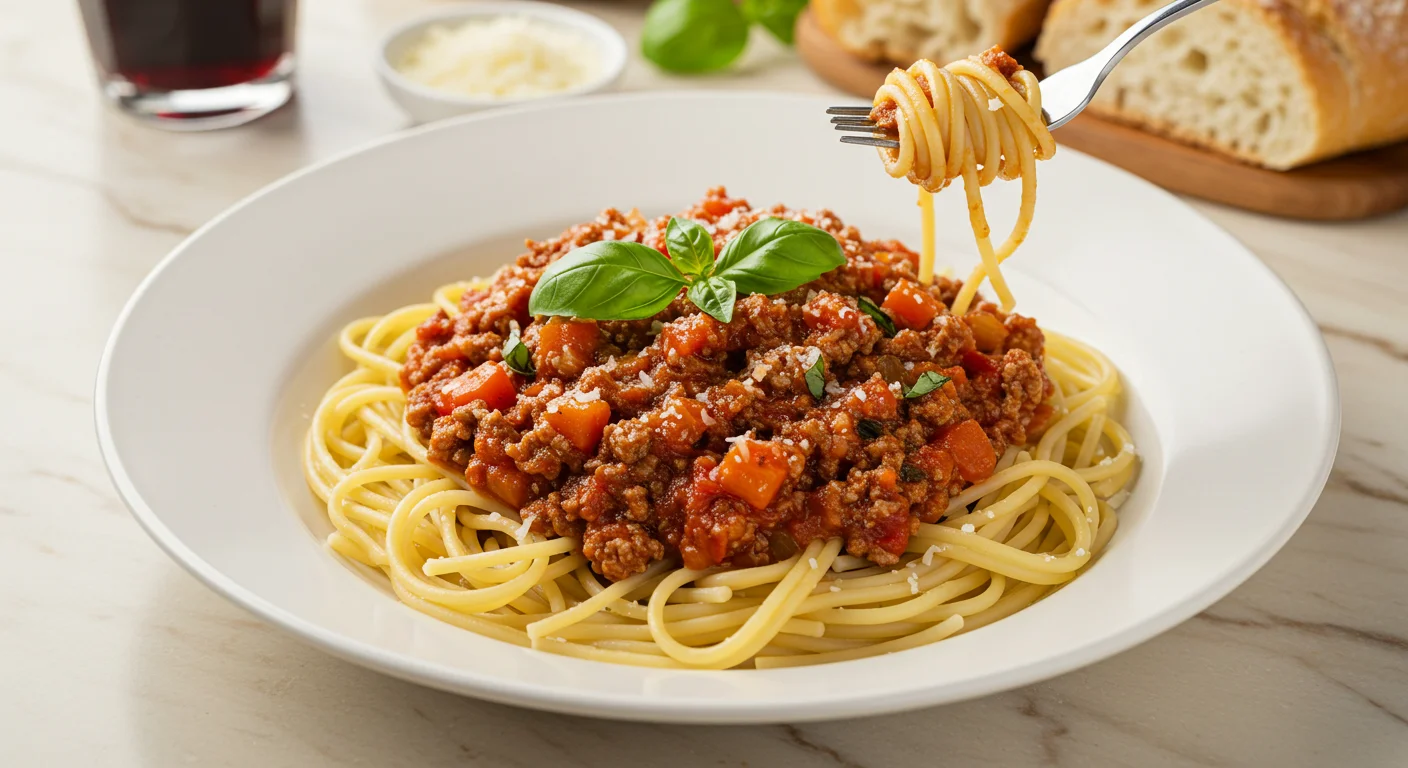
Add the drained spaghetti directly into the pan with the Bolognese sauce.
Toss until each strand is coated, adding reserved pasta water a little at a time if the sauce feels too thick.
For extra flavor, stir in a spoonful of garlic butter sauce or a small knob of butter before serving.
This gives the pasta a silky texture and mild richness.
Plate the pasta in bowls and finish with grated Parmesan or Pecorino cheese.
A sprinkle of fresh parsley adds color and freshness.
Serve hot with bread or a simple salad on the side.
Flavorful Variations and Dietary Adaptations
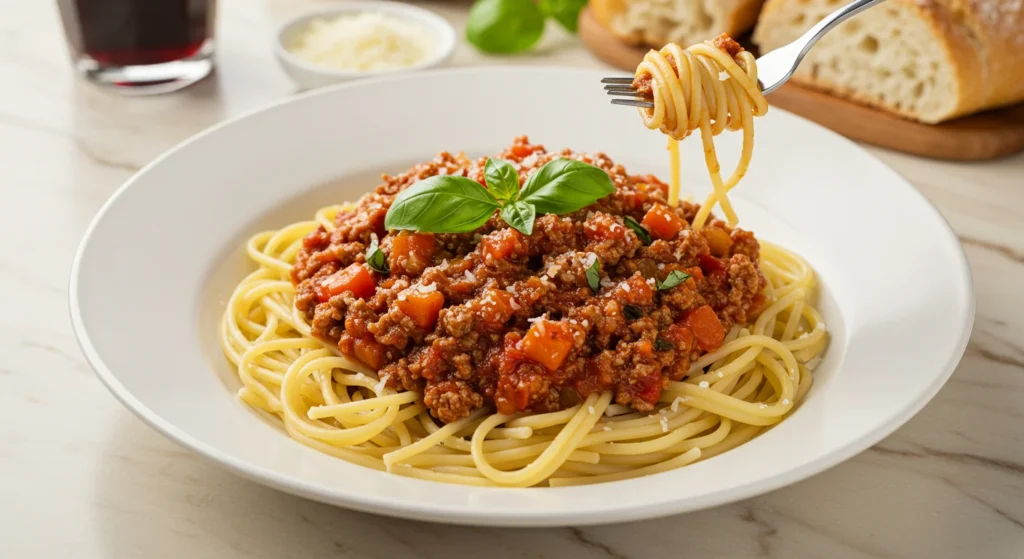
Beef Bolognese with spaghetti can be adjusted to fit different diets and taste preferences.
Small changes in pasta, protein, or added vegetables allow the dish to stay hearty while meeting specific nutritional needs.
Gluten-Free and Plant-Based Options
For those avoiding gluten, gluten-free pasta made from rice, corn, or quinoa works well.
These alternatives hold up to thick sauces and provide a similar texture to wheat pasta.
Some cooks also choose zucchini noodles or spaghetti squash for a lighter, vegetable-based option.
Plant-based versions often swap beef with plant-based ground meat, lentils, or sautéed mushrooms.
Mushrooms in particular give a meaty texture and absorb flavors from garlic, onions, and tomatoes.
Combining different varieties, like cremini and shiitake, adds depth to the sauce.
To finish, fresh herbs such as basil or parsley can brighten the dish.
Using vegetable broth instead of beef stock ensures the sauce remains fully vegetarian or vegan.
Adding Extra Vegetables and Herbs
Extra vegetables can make the sauce more nutritious without changing its core flavor.
Carrots, celery, and onions form the base, but cooks often add zucchini, bell peppers, or spinach for more variety.
Finely chopping or grating vegetables helps them blend smoothly into the sauce.
Fresh herbs also improve flavor.
Basil, thyme, and rosemary add freshness, while bay leaves provide a subtle background note during simmering.
A small amount of red pepper flakes can add gentle heat without overwhelming the sauce.
For a balanced dish, it helps to add vegetables in stages.
Softer vegetables like spinach should go in at the end, while denser ones like carrots need longer cooking to soften and release flavor.
Alternative Proteins and Dairy Substitutes
Those wanting a lighter sauce can replace beef with ground turkey, chicken, or veal.
Each protein changes the flavor slightly: turkey is lean, chicken is mild, and veal is tender.
Mixing beef with pork or lamb can create a richer, more layered sauce.
For dairy-free adaptations, cooks often swap milk or cream with unsweetened almond milk, oat milk, or soy cream.
These substitutes keep the sauce creamy without altering the flavor too much.
Grated dairy-free cheeses, such as those made from cashews or coconut oil, can be used as a topping.
Nutritional yeast is another option that adds a mild, cheesy taste while keeping the dish vegan-friendly.
Tips for Perfect Results Every Time
Good bolognese depends on two main factors: the quality of the ingredients and the care taken during cooking.
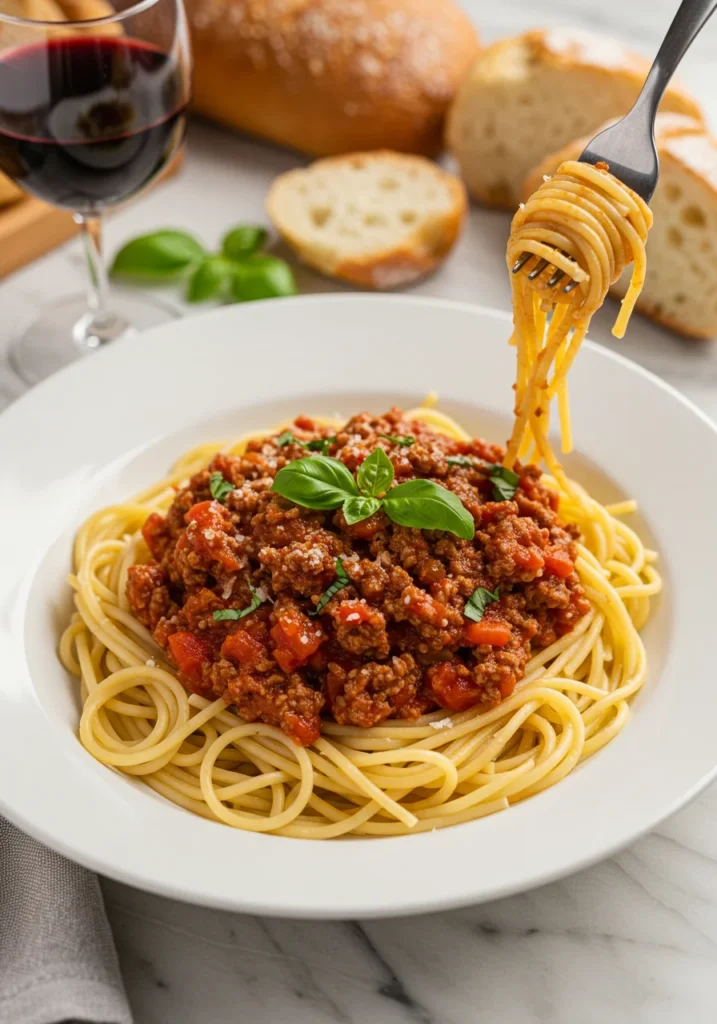
Choosing the right meat, tomatoes, and seasonings sets the base, while proper simmering and seasoning techniques create depth and balance.
Choosing Quality Ingredients
The flavor of beef bolognese starts with the meat.
A mix of ground beef with some pork adds richness, but if only beef is used, an 80/20 blend gives the best balance of flavor and moisture.
Leaner meat can dry out during long cooking.
Tomatoes also matter.
Canned San Marzano or similar plum tomatoes provide consistent flavor and texture, better than most fresh supermarket tomatoes.
Crushing them by hand gives a rustic, thick sauce that clings well to pasta.
Cooking fats make a difference, too.
Olive oil adds fruitiness, while a small amount of butter softens the acidity of the tomatoes.
Pancetta or bacon, finely diced, can also be used for extra depth.
When serving, freshly grated Parmesan cheese is essential.
Pre-grated versions often lack the sharpness and texture of real Parmigiano-Reggiano.
A light sprinkle of grated Parmesan on top of the pasta enhances the sauce without overpowering it.
Simmering and Seasoning Techniques
Bolognese develops flavor through slow cooking.
After browning the meat, adding milk before tomatoes helps tenderize it and balances acidity.
Deglazing with a dry wine such as Chianti or Pinot Grigio releases browned bits from the pan and brings subtle complexity.
The sauce should simmer gently for at least 2–3 hours.
A very low heat allows flavors to meld without burning or drying out the sauce.
Stirring every 30 minutes prevents sticking and keeps the texture even.
Seasoning works best in layers.
A pinch of salt during the soffritto stage, another when browning the meat, and a final adjustment before serving ensures balance.
Freshly ground black pepper adds warmth, while a hint of nutmeg can round out the flavor.
If the sauce thickens too much, a splash of broth or reserved pasta water restores consistency.
This also helps the sauce cling better to spaghetti when tossed together just before serving.
Serving Suggestions and Pairings
Beef Bolognese with spaghetti works well in both casual and formal settings.
It can stand as a comforting weeknight meal or be paired with thoughtful sides and drinks for a more complete dining experience.
Family Dinner and Entertaining
Families often enjoy Bolognese as a comfort food because it feels hearty and familiar.
A large pot of sauce served with spaghetti makes it easy to feed several people without complicated preparation.
When entertaining, the dish can be elevated with simple touches.
Serving the pasta in a large bowl at the table encourages sharing and conversation.
Adding a sprinkle of fresh Parmesan or basil gives the meal a polished look without much effort.
For children, garlic butter spaghetti can be a good option alongside the Bolognese.
It provides a milder flavor that still ties into the meal.
Adults may appreciate a small antipasto platter with cheese and cured meats before the pasta is served.
Ideal Side Dishes and Drinks
Classic sides balance the richness of the sauce. Garlic bread remains a favorite, offering a crisp bite and buttery flavor that complements the pasta.
A fresh salad, such as Caesar or arugula with lemon vinaigrette, adds brightness and cuts through the heaviness of the meat sauce. Roasted vegetables like zucchini, asparagus, or green beans bring color and texture.
For something more filling, focaccia or bruschetta can serve as additional bread options. Drinks should match the depth of the dish.
A medium-bodied red wine, such as Sangiovese or Chianti, pairs well with the tomato and meat flavors. For a non-alcoholic choice, sparkling water with lemon keeps the palate refreshed between bites.
Storage, Leftovers, and Meal Prep
Beef Bolognese with spaghetti keeps well for several days and can also be frozen for longer storage. Leftovers reheat easily and make a practical option for meal prep, especially when stored in portions that are ready to serve.
Storing and Reheating
Cooked Bolognese sauce lasts up to 4 days in the refrigerator when stored in an airtight container. For longer storage, it can be frozen for up to 6 months.
Pasta may be stored separately to prevent it from becoming soggy, though freezing them together is also possible. When reheating, moisture is important.
Adding a splash of water, broth, or extra sauce prevents the pasta from drying out.
Methods for reheating:
- Microwave: Place in a covered dish, heat in short intervals, and stir halfway.
- Stovetop: Warm over medium-low heat, stirring often until evenly heated.
- Oven: Cover with foil and bake at 350°F (175°C) for 20–25 minutes.
For best results, thaw frozen portions in the refrigerator overnight before reheating. This keeps the texture of both sauce and pasta consistent.
Meal Prep Tips for Busy Schedules
Bolognese works well for meal prep because the sauce develops more flavor after resting. Preparing a large batch and dividing it into individual containers makes weekday meals faster.
A useful approach is to store the sauce and pasta separately. This allows for flexible serving sizes and avoids mushy pasta.
If storing together, add a little reserved pasta water before refrigerating or freezing. Labeling containers with dates and portion sizes helps track freshness.
Single-serving containers are convenient for quick lunches, while larger containers work for family dinners.
Frequently Asked Questions
Beef bolognese relies on a careful balance of meats, vegetables, and liquids to build depth of flavor. Cooking methods, ingredient choices, and timing all play important roles in the final result.
Small adjustments, like using a slow cooker or adding subtle seasonings, can change both the taste and texture.
What are the key ingredients for a traditional beef bolognese?
A classic bolognese usually includes ground beef, ground pork, and pancetta. Onion, carrot, and celery form the base, known as a soffritto.
White wine, whole milk, and a small amount of tomato help create a rich sauce that simmers slowly for several hours.
How can I adapt the beef bolognese recipe for a slow cooker?
The soffritto and browning steps should be done on the stovetop first. Once the vegetables and meats are cooked and the wine has reduced, the mixture can be transferred to a slow cooker.
Adding tomatoes and broth before cooking on low heat for 6–8 hours produces a tender, flavorful sauce.
What are some tips for making an easy beef bolognese with spaghetti?
Using pre-chopped vegetables saves preparation time. A shorter simmer, around 30–45 minutes, still gives a good result for weeknight meals, though the flavor will be lighter.
Cooking the pasta until al dente and tossing it directly in the sauce helps the dish come together quickly and evenly.
How does an authentic Italian spaghetti bolognese differ from other variations?
In Italy, bolognese is a meat-focused ragù with only a small amount of tomato. It is most often served with tagliatelle or pappardelle rather than spaghetti.
Outside Italy, versions tend to use more tomato, garlic, and herbs, and are often cooked for a shorter time.
What are some common mistakes to avoid when making spaghetti bolognese?
Rushing the soffritto can leave the sauce lacking depth. Cooking the sauce for less than an hour often results in a watery or bland flavor.
Skipping the step of finishing the pasta in the sauce can also cause the dish to taste less cohesive.
Are there any secret ingredients that enhance the flavor of beef bolognese?
A small amount of whole milk helps tenderize the meat and adds a creamy texture.
Some cooks add a pinch of nutmeg for subtle warmth.
Using high-quality canned tomatoes, like San Marzano, improves the balance of sweetness and acidity in the sauce.