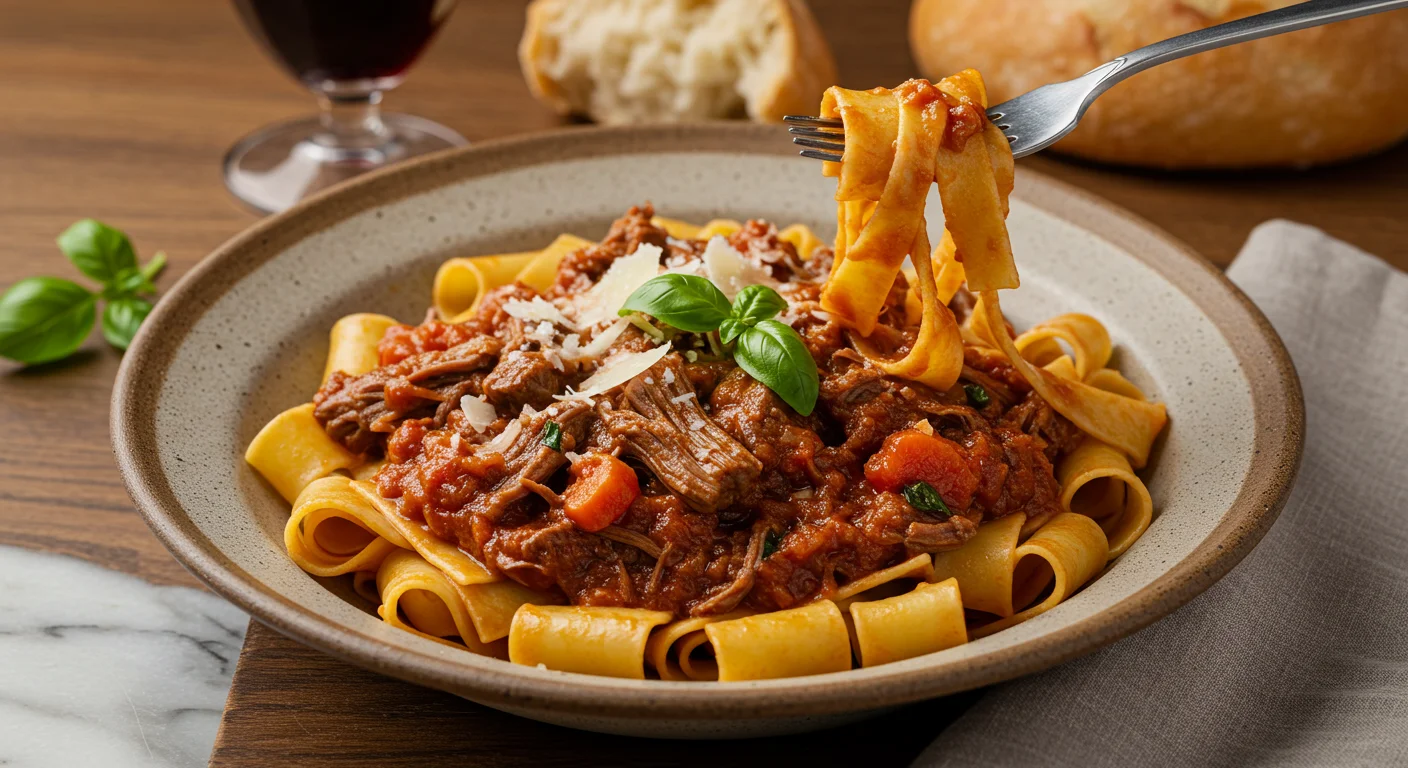
Beef Ragu with Pasta: The Ultimate Slow-Cooked Italian Comfort
Beef ragu with pasta brings together slow-cooked meat, tomatoes, wine, and herbs into a rich sauce that clings to every strand of pasta. It is a classic Italian dish that transforms simple ingredients into a comforting and satisfying meal.
With the right cut of beef and a little patience, the result is tender meat and a sauce full of deep flavor.
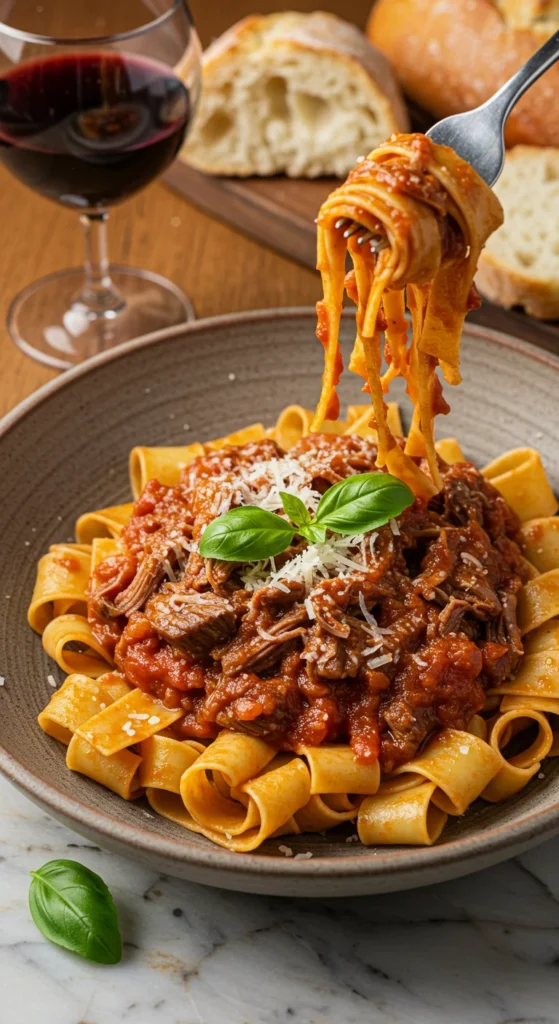
This dish works well for both weeknight meals and special occasions. Wide pasta like pappardelle or tagliatelle holds the sauce beautifully, but it can also be paired with other shapes depending on what is available.
From the choice of ingredients to the way the pasta is finished in the pan, every step adds to the final taste and texture.
Learning how to make beef ragu at home means gaining a versatile recipe that can be adjusted for different cooking methods, stored for later, and even used in other dishes like lasagna.
With a few key techniques, anyone can prepare a sauce that feels both traditional and practical for modern kitchens.
What Is Beef Ragu with Pasta?
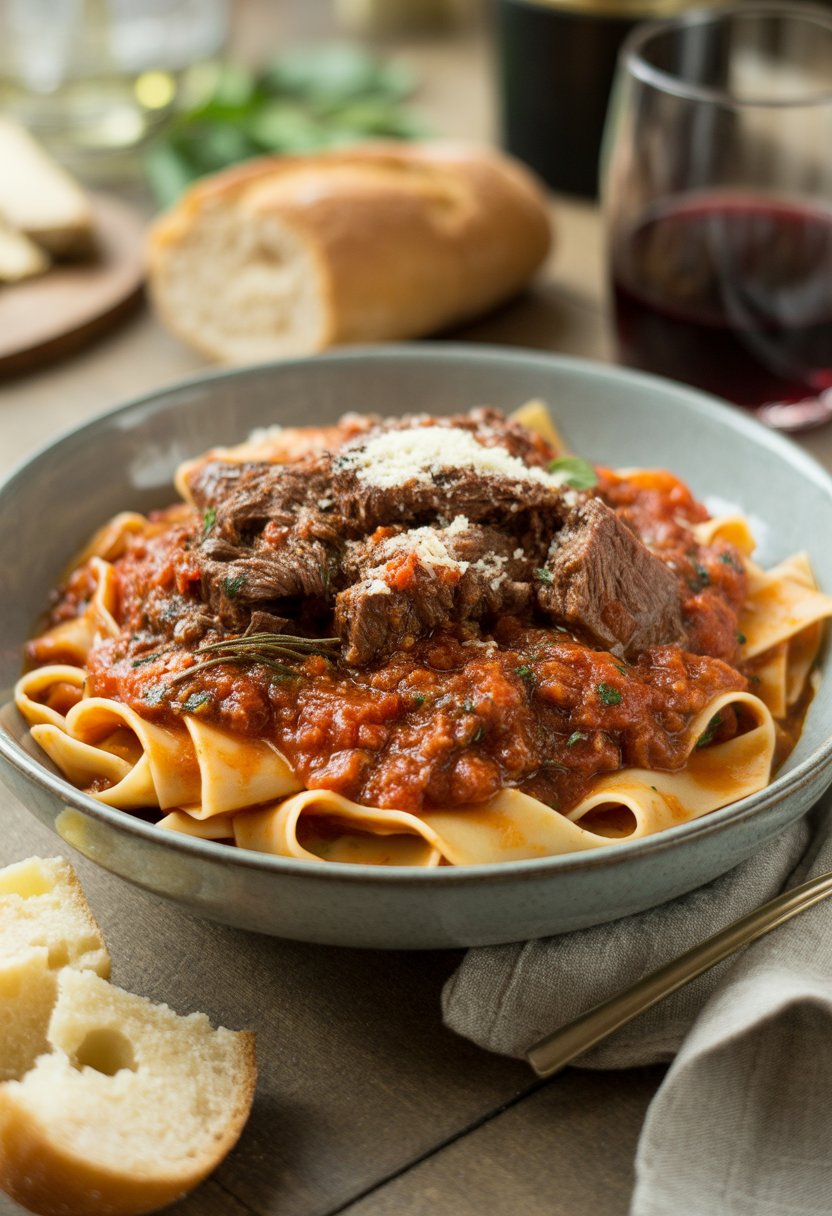
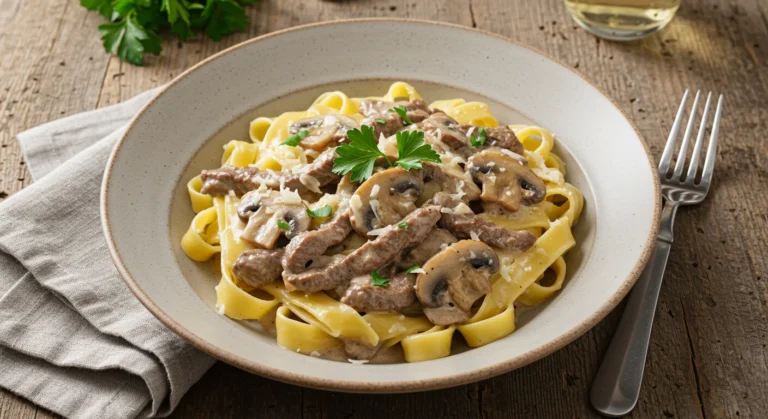
Beef ragu with pasta is a slow-cooked Italian meat sauce served over wide noodles like pappardelle or tagliatelle.
It combines tender shredded beef, tomatoes, wine, and herbs to create a hearty dish that balances richness with comforting flavors.
Origins of Ragu and Italian Traditions
Ragu is an Italian word used for meat-based sauces that are simmered slowly to develop flavor.
The tradition dates back centuries, often tied to regional cooking in Northern Italy, especially Emilia-Romagna.
Families would prepare ragu with affordable cuts of meat, stretching ingredients into a filling meal.
Unlike quick pasta sauces, ragu is built on time and patience.
Beef, pork, or game meats were braised until tender, then combined with vegetables like onion, carrot, and celery.
Wine and tomatoes were added for depth, creating a sauce that could feed many people with simple ingredients.
Each region developed its own version.
In Bologna, the well-known ragù alla bolognese uses ground meat and milk.
In other areas, larger cuts of beef were shredded after long cooking.
These differences highlight how ragu became both a practical and cultural staple of Italian kitchens.
Key Differences from Other Meat Sauces
Beef ragu is often compared to Bolognese, but the two sauces are not the same.
Bolognese relies on finely ground meat and a creamy texture, often finished with milk.
Beef ragu, on the other hand, uses stewing cuts like chuck roast that break down into strands of tender beef.
The texture is one of the clearest differences.
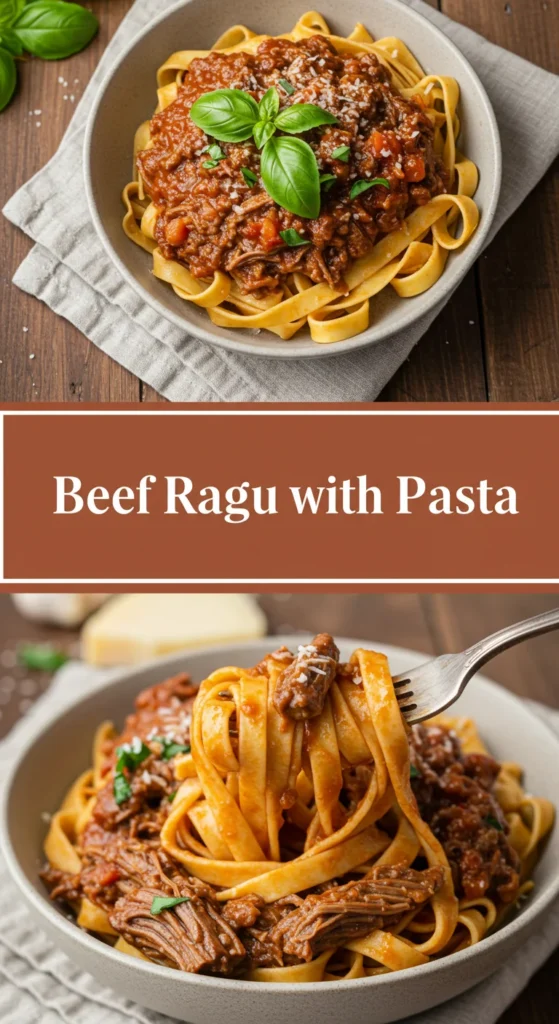
Ragu has shredded meat woven into the sauce, while Bolognese has small, minced pieces.
The choice of wine also varies: red wine is common in beef ragu, while Bolognese often uses white.
Tomatoes play a stronger role in ragu, with crushed or canned tomatoes forming the base.
Herbs such as rosemary, thyme, and bay leaf are typical, giving the sauce a rustic flavor.
These details make beef ragu distinct from other Italian meat sauces.
Why Beef Ragu Is Comfort Food
Beef ragu with pasta is considered comfort food because of its slow-cooked tenderness and balanced flavors.
The long simmering process transforms tough cuts of beef into soft, flavorful strands that blend with tomatoes and herbs.
The result is a sauce that feels hearty without being overly heavy.
The pairing with wide pasta shapes adds to its appeal.
Flat noodles like tagliatelle or pappardelle hold the sauce well, ensuring each bite is coated.
Parmesan cheese and fresh herbs often finish the dish, adding richness and freshness.
Beyond taste, beef ragu carries a sense of tradition.
It represents home cooking, shared meals, and recipes passed down through generations.
Its ability to be made ahead, stored, and reheated makes it practical, while its deep flavor makes it satisfying and memorable.
Essential Ingredients for Authentic Beef Ragu
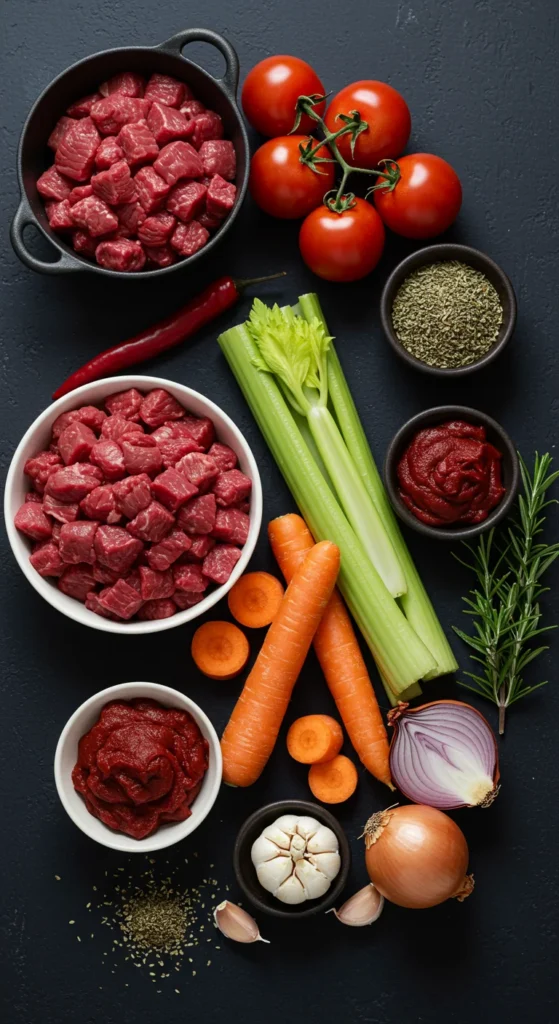
A well-made beef ragu depends on the right cut of meat, a base of aromatic vegetables, balanced tomato products, and carefully chosen herbs and spices.
Each element plays a specific role in building depth, texture, and richness in the sauce.
Best Cuts of Beef for Ragu
The choice of beef determines the texture and flavor of the ragu.
Cuts with good marbling and connective tissue work best because they break down during slow cooking and create tender, flavorful meat.
Recommended cuts include:
- Chuck roast – ideal for shredding after long simmering
- Short ribs – rich in collagen, adding body to the sauce
- Brisket – flavorful but requires longer cooking
- Ground chuck – used in traditional Bolognese-style ragù
Chuck roast is one of the most versatile options.
It can be cooked whole and shredded, or ground for a smoother sauce.
Cuts that are too lean, such as sirloin, tend to dry out and lack richness.
When possible, a mix of ground beef and shredded beef creates a sauce with both body and texture.
This balance makes the ragu hearty enough to cling to pasta like tagliatelle or pappardelle.
Vegetables and Aromatics
A soffritto of onion, carrot, and celery forms the base of authentic ragu.
These vegetables cook slowly in olive oil or butter until soft and sweet.
This step builds the foundation of flavor before adding meat or tomatoes.
- Onions add sweetness and depth.
- Carrots bring mild sweetness that balances acidity.
- Celery contributes freshness and an herbal note.
Garlic is often added for aroma, though in small amounts to avoid overpowering the sauce.
Some cooks also include finely chopped parsley stems for a subtle herbal layer.
Sweating the vegetables gently, rather than browning them, ensures they melt into the sauce.
This creates a smoother texture and allows the beef and tomatoes to shine.
Tomatoes and Tomato Products
Tomatoes give ragu acidity and balance, but they should not dominate the meat.
The sauce is meat-forward, with tomato products used to support and round out the flavor.
Common tomato ingredients include:
- Tomato paste – concentrated flavor and color
- Crushed tomatoes – body and acidity
- Whole canned tomatoes – broken down during cooking
San Marzano tomatoes are often preferred for their low acidity and natural sweetness.
A small amount of tomato paste caramelized in the pan adds depth before adding crushed tomatoes or broth.
Beef broth is sometimes added alongside tomatoes to enrich the sauce.
A splash of balsamic vinegar can also provide gentle sweetness and acidity, especially if using less ripe tomatoes.
Herbs, Spices, and Seasonings
Seasonings give the ragu its character.
Salt and black pepper are essential, but other additions create balance and complexity.
Typical choices include:
- Bay leaves – earthy, subtle bitterness
- Italian herbs like oregano, thyme, or rosemary
- Nutmeg or fennel seed – used sparingly for warmth and depth
- Parsley – added fresh at the end for brightness
Italian seasoning blends can be used, but fresh or single dried herbs allow better control over flavor.
Bay leaves should be removed before serving, as they release their oils during cooking but are not pleasant to eat.
Spices should not overwhelm the beef.
Their role is to highlight the meat and vegetables while keeping the sauce balanced and savory.
Step-by-Step: How to Make Beef Ragu
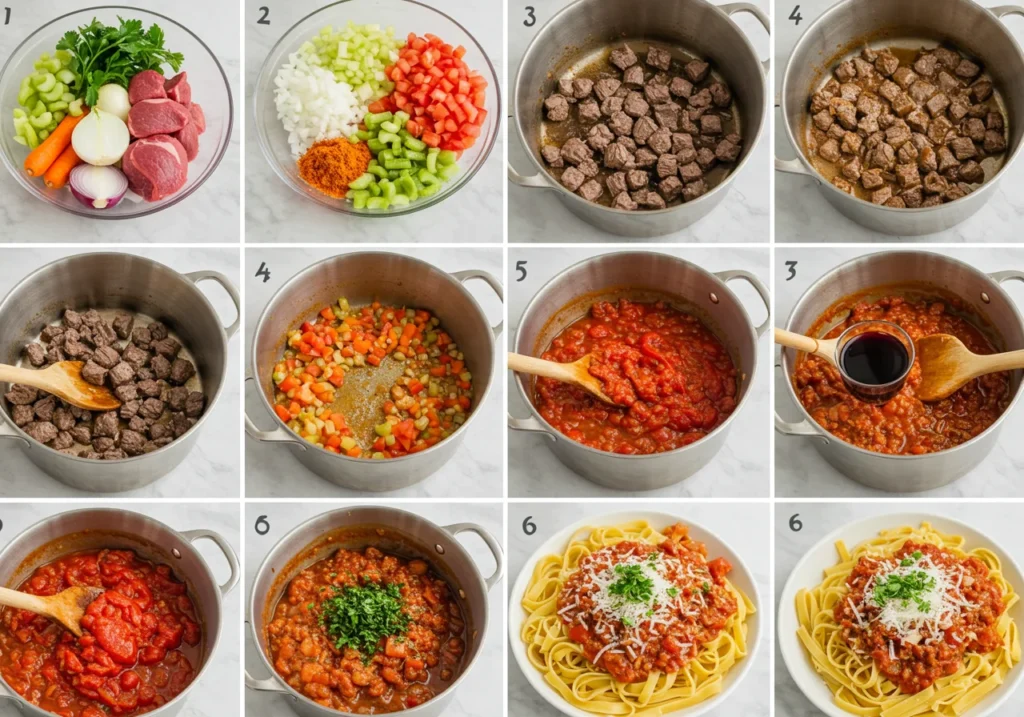
This dish relies on careful preparation, slow cooking, and layering of flavors.
Tender beef, aromatic vegetables, and a rich tomato base come together in a Dutch oven for a sauce that pairs well with pasta.
Preparing the Beef and Vegetables
Start with a cut of beef that benefits from long cooking, such as chuck roast or short rib.
Trim excess fat but leave some marbling to keep the meat moist.
Cut the beef into large chunks for even cooking.
For vegetables, finely dice onions, carrots, and celery.
These form the base of the sauce and add natural sweetness.
Garlic should be minced for even distribution.
Keep ingredients organized before cooking.
A small table of essentials can help:
| Ingredient | Purpose |
|---|---|
| Beef (chuck/short rib) | Main protein |
| Onion, carrot, celery | Flavor base |
| Garlic | Depth and aroma |
| Olive oil | Browning and sautéing |
This preparation ensures smooth cooking once the Dutch oven is heated.
Building Flavor in the Dutch Oven
Heat olive oil in the Dutch oven over medium-high heat.
Sear the beef on all sides until browned.
This step creates fond, the dark bits on the bottom that add depth to the sauce.
Remove the beef and set aside.
Add the diced vegetables to the same pot.
Cook until softened and lightly golden.
Stir often to prevent burning.
Deglaze with red wine such as Cabernet Sauvignon or Merlot.
Scrape the bottom of the pot to release the fond.
Allow the wine to reduce by half, concentrating its flavor.
Next, add crushed tomatoes, a small amount of beef broth, and herbs like thyme or bay leaf.
Return the seared beef to the pot and stir everything together.
Slow Cooking for Tenderness
Lower the heat to a gentle simmer or transfer the Dutch oven to a preheated oven at around 300°F (150°C).
Slow cooking breaks down the connective tissue in the beef, making it tender.
The sauce should cook for 2–3 hours.
Stir every 30–40 minutes to prevent sticking and to check liquid levels.
If the sauce becomes too thick, add a splash of beef broth or water.
During this time, the flavors meld together.
The acidity of the tomatoes balances the richness of the meat, while the herbs release their oils into the sauce.
Shredding the Beef and Finishing the Sauce
Once the beef is fork-tender, remove it from the pot.
Use two forks to shred it into small pieces.
Avoid large chunks so the meat incorporates evenly into the sauce.
Return the shredded beef to the Dutch oven.
Stir well to coat the meat with the sauce.
At this stage, taste and adjust seasoning with salt and pepper.
If the sauce is too thin, simmer uncovered for 10–15 minutes to thicken.
If it is too rich, add a splash of broth to balance it.
The finished shredded beef ragu should be thick enough to cling to pasta such as pappardelle or tagliatelle, with a balanced flavor of meat, tomato, and wine.
Choosing and Cooking the Perfect Pasta
The right pasta shape, proper cooking time, and the way it is combined with beef ragu all influence the final dish.
Wide noodles, sturdy tubes, and careful cooking methods help the sauce cling and balance with the meat.
Best Pasta Shapes for Beef Ragu
Beef ragu is thick and hearty, so it pairs best with pasta that can hold onto the sauce.
Wide ribbons like pappardelle, tagliatelle, and fettuccine are classic choices.
Their flat surfaces allow the sauce to coat evenly, and their slightly chewy texture matches well with slow-cooked meat.
Short, ridged pastas also work well.
Rigatoni and penne have hollow centers and grooves that trap pieces of meat and vegetables.
This makes each bite flavorful and prevents the sauce from slipping off.
Here’s a quick guide:
| Pasta Shape | Why It Works with Ragu |
|---|---|
| Pappardelle | Wide surface holds rich sauce |
| Tagliatelle | Ribbon shape balances texture |
| Fettuccine | Slightly narrower but sturdy |
| Rigatoni | Tubes trap sauce inside |
| Penne | Ridges and angles catch meat |
Choosing one of these shapes ensures the sauce and pasta complement each other instead of competing.
Cooking Pasta to Al Dente
Cooking pasta al dente means it should be firm to the bite, not mushy.
This texture is important because the pasta will continue cooking slightly when mixed with the hot ragu.
To achieve this, boil pasta in salted water.
A good rule is about 1 tablespoon of salt per 4 quarts of water.
Stir the pasta to prevent sticking, and check for doneness a minute before the package suggests.
For example, if the box says 10 minutes, start tasting at 9.
The pasta should resist slightly when bitten but not be hard in the center.
Cooking it too long will make it soft and less able to hold the sauce.
Tossing Pasta with Ragu
Once the pasta is drained, it should be combined with the ragu right away. Adding the pasta directly into the pan with the sauce allows the flavors to blend better.
This step also helps the sauce coat each piece evenly. Reserve about half a cup of the starchy pasta water before draining.
Adding a splash of this water while tossing helps the sauce cling and creates a smoother texture. Use medium heat when mixing pasta and ragu.
Stir gently with tongs or a spoon until the noodles are fully coated. At this stage, grated cheese such as Parmesan can be added for extra richness.
Serving Suggestions and Finishing Touches
Beef ragu benefits from thoughtful pairings that highlight its rich tomato base and tender beef. Finishing touches such as cheese, fresh herbs, bread, and wine can balance the dish and create a more complete meal.
Garnishes and Cheese Pairings
Fresh garnishes add color and brightness to beef ragu. Finely chopped parsley works well because it provides freshness without overpowering the sauce.
A light sprinkle just before serving helps balance the heavier flavors of the beef and tomato. Cheese is another key element.
Parmesan cheese is the most traditional choice, offering a salty, nutty finish. Grating it fresh produces the best flavor and texture.
Pecorino Romano is sharper and saltier, making it a good alternative for those who prefer a stronger taste. For a creamier option, a spoonful of ricotta can be placed on top of the pasta and ragu.
It softens into the sauce and adds richness. A mix of cheeses can also be used, but it’s best to keep the portions light so the ragu remains the focus.
Side Dishes and Bread
Beef ragu is hearty, but a few side dishes can round out the meal. A simple green salad with olive oil and balsamic vinegar provides acidity and freshness.
Roasted vegetables such as Brussels sprouts or asparagus add earthy flavors that complement the richness of the sauce. Bread is almost essential.
Crusty bread or garlic bread works well for soaking up extra sauce. Herbed focaccia is another option, offering both texture and flavor.
Breadsticks with a light coating of Parmesan are convenient for dipping and serving alongside pasta. For a lighter finish, fresh fruit or a citrus-based dessert like lemon sorbet can cleanse the palate.
These options help balance the heaviness of the ragu and pasta combination.
Wine Pairings for Beef Ragu
Wine enhances the dining experience by matching the depth of the sauce. A bold red like Cabernet Sauvignon pairs well because its tannins cut through the richness of the beef.
Merlot offers a softer, fruitier profile that complements the tomato base without overwhelming it. For those who prefer Italian wines, Chianti is a reliable option.
It has enough acidity to balance the sauce while remaining smooth. Serving wine at the right temperature, slightly below room temperature for reds, ensures the flavors remain balanced and pleasant.
If a non-alcoholic pairing is preferred, sparkling water with lemon provides freshness and helps cleanse the palate between bites.
Tips for Leftovers, Meal Prep, and Variations
Beef ragu holds up well after cooking, making it practical for storing, reheating, and even freezing. It also adapts easily to different meats, pasta shapes, and serving styles.
Storing and Reheating Beef Ragu
Beef ragu can be kept in the refrigerator for up to 4–5 days in airtight containers. Keeping the shredded beef and pasta separate helps prevent the pasta from becoming soggy.
When reheating, the stovetop works best. Place the meat sauce in a pan with a splash of water or broth to loosen it, then simmer until hot.
This keeps the texture smooth and prevents drying. Microwaving is faster but may cause pasta to become gummy.
To reduce this, stir in a little extra sauce or liquid before heating. Serving freshly cooked pasta with reheated ragu often gives the best results.
Freezing and Make-Ahead Tips
Beef ragu freezes well and can be stored for up to 3 months in freezer-safe containers or bags. For easier use, portion the meat sauce into single or family-sized servings before freezing.
Always freeze the ragu without pasta. Cooked pasta does not hold its texture well once thawed.
Instead, prepare fresh pasta when ready to serve. To thaw, place the container in the refrigerator overnight.
Reheat gently on the stovetop with a bit of broth or tomato sauce to refresh the flavor and maintain consistency.
Creative Variations and Substitutions
Beef ragu is flexible and works with different proteins, pasta types, and add-ins. Shredded pork shoulder or lamb can replace beef for a change in flavor.
Ground turkey or chicken also works for a lighter meat sauce. For pasta, wide noodles like pappardelle soak up sauce well, but short pasta such as rigatoni or penne also pair nicely.
Some choose chickpea or gluten-free pasta for dietary needs. Vegetables can be added for extra nutrition.
Spinach, kale, or mushrooms blend easily into the sauce. For a different base, ragu can be served over rice or polenta instead of pasta.
These small changes keep the dish versatile and adaptable.
Frequently Asked Questions
Beef ragu can be prepared in different ways depending on cooking method, ingredients, and pasta choice. Small adjustments, such as using ground beef or cooking in a slow cooker, can change both flavor and texture.
How can I adapt a traditional beef ragu recipe for a slow cooker?
Brown the beef and vegetables in a pan before transferring them to the slow cooker. This step builds flavor that cannot be achieved by slow cooking alone.
Cook on LOW for 6–8 hours or HIGH for about 4 hours until the meat becomes tender.
What are the essential ingredients for a classic beef ragu sauce?
A base of onion, carrot, and celery forms the flavor foundation. Tomatoes, tomato paste, red wine, and broth provide depth.
Herbs such as oregano, thyme, and bay leaf are common, and olive oil is used for cooking.
Which type of pasta pairs best with a hearty beef ragu?
Wide, flat noodles like pappardelle are the most traditional choice because they hold the thick sauce well. Tagliatelle, fettuccine, or rigatoni also work, offering enough surface area and texture to balance the richness of the sauce.
Can beef ragu be made using ground beef instead of chunks?
Yes, ground beef works well and cooks faster than larger cuts. It creates a smoother sauce with smaller pieces of meat, while chunks of beef give a shredded texture after long cooking.
Both methods are authentic variations.
What are some tips for achieving the perfect consistency in a beef ragu sauce?
Simmer the sauce uncovered near the end of cooking to reduce excess liquid. Stir occasionally to prevent sticking.
If the sauce becomes too thick, add a small amount of broth. For extra body, stir in a spoonful of tomato paste or grated cheese.
How does the preparation of beef ragu pappardelle differ from other pasta dishes?
The pasta should be cooked al dente so it holds up against the heavy sauce.
Instead of serving sauce on top, the ragu is usually tossed with the pasta to coat every strand.
Beef Ragu with Pasta
Equipment
- 1 Dutch oven or heavy pot For slow cooking the beef ragu.
- 1 Tongs For turning meat and stirring ingredients.
- Optional Immersion blender To blend the sauce slightly for a smoother texture if desired.
Ingredients
Main Ingredients
- 2 lbs Chuck roast or short ribs Cut into large chunks for even cooking.
- 1 medium Onion (diced) Part of the soffritto base.
- 2 medium Carrots (diced) Adds sweetness and balances acidity.
- 2 stalks Celery (diced) Provides freshness and herbal notes.
- 4 cloves Garlic (minced) Adds depth and aroma.
- 2 cups Red wine (Cabernet/Merlot) For deglazing and adding depth.
- 1 can Crushed tomatoes (28 oz) San Marzano tomatoes preferred for their sweetness.
- 2 tbsp Tomato paste Caramelized for concentrated flavor.
- 2 cups Beef broth Adds richness and moisture to the sauce.
- 2 tbsp Olive oil For browning the beef and sautéing vegetables.
- 2 sprigs Fresh thyme Can substitute with dried thyme.
- 2 leaves Bay leaves Remove before serving.
- To taste tsp Salt Adjust based on preference.
- To taste tsp Black pepper Freshly ground for better flavor.
Optional Garnishes
- ¼ cup Grated Parmesan cheese for topping. (Optional)
- 2 tbsp Chopped parsley for garnish. (Optional)
Instructions
Step-by-Step Recipe
Prepare the Beef and Vegetables:
- Trim excess fat from the beef but leave some marbling for moisture. Cut into large chunks. Finely dice onions, carrots, and celery. Mince garlic.
Sear the Beef:
- Heat olive oil in a Dutch oven over medium-high heat. Sear the beef chunks on all sides until browned. Remove and set aside.
Cook the Vegetables:
- In the same pot, add diced onions, carrots, and celery. Cook until softened and lightly golden, stirring often to prevent burning. Add minced garlic and cook for 1 minute until fragrant.
Deglaze and Build Flavor:
- Deglaze the pot with red wine, scraping up the browned bits (fond) from the bottom. Allow the wine to reduce by half. Stir in tomato paste, cooking for 1–2 minutes to caramelize.
Simmer the Sauce:
- Add crushed tomatoes, beef broth, thyme, and bay leaves. Return the seared beef to the pot. Bring to a boil, then reduce heat to low. Cover and simmer for 2–3 hours, stirring occasionally.
Shred the Beef and Finish the Sauce:
- Once the beef is fork-tender, remove it from the pot and shred with two forks. Return the shredded beef to the sauce. Taste and adjust seasoning with salt and pepper. Simmer uncovered for 10–15 minutes if needed to thicken.
Cook the Pasta:
- Boil salted water and cook pasta (e.g., pappardelle or rigatoni) until al dente. Reserve ½ cup of pasta water before draining.
Combine Pasta and Ragu:
- Toss the drained pasta with the ragu in a pan over medium heat. Add reserved pasta water as needed to loosen the sauce. Stir gently until fully coated.
Garnish and Serve:
- Serve hot, garnished with grated Parmesan cheese and chopped parsley.
Notes
-
- Storage: Store leftovers in an airtight container in the refrigerator for up to 4–5 days. Keep the ragu and pasta separate to prevent sogginess.
- Freezing: Freeze the ragu (without pasta) in freezer-safe containers for up to 3 months. Thaw overnight in the fridge before reheating.
- Variations: Substitute beef with pork shoulder or lamb for a different flavor profile. Use gluten-free or chickpea pasta for dietary needs.
Frequently Asked Questions
-
How can I adapt a traditional beef ragu recipe for a slow cooker?
- Brown the beef and vegetables in a pan before transferring them to the slow cooker. Cook on LOW for 6–8 hours or HIGH for about 4 hours until tender.
-
What are the essential ingredients for a classic beef ragu sauce?
- Onion, carrot, celery, tomatoes, red wine, beef broth, tomato paste, herbs like thyme and bay leaves, and olive oil.
-
Which type of pasta pairs best with a hearty beef ragu?
- Wide, flat noodles like pappardelle, tagliatelle, or fettuccine work best. Short, ridged pastas like rigatoni or penne also hold the sauce well.
- Can beef ragu be made using ground beef instead of chunks?
- Yes, ground beef works well and creates a smoother sauce. However, chunks of beef provide a shredded texture after long cooking.
- What are some tips for achieving the perfect consistency in a beef ragu sauce?
- Simmer uncovered near the end of cooking to reduce excess liquid. If too thick, add a splash of broth.
- How does the preparation of beef ragu pappardelle differ from other pasta dishes?
- The pasta should be cooked al dente and tossed with the ragu to coat every strand evenly. Serving the ragu directly over the pasta ensures a balanced bite.
Tips & Tricks
- Flavor Enhancement: Add a splash of balsamic vinegar for subtle sweetness or nutmeg for warmth. Fresh herbs like parsley or basil brighten the dish before serving.
- Presentation: Serve in shallow bowls with grated Parmesan and a drizzle of olive oil for a polished look. Pair with crusty bread or a green salad for balance.
- Leftovers: Transform leftover ragu into lasagna layers or use as a filling for stuffed shells.
Plating and Garnishing
- Garnish: Sprinkle grated Parmesan, chopped parsley, or fresh basil over the dish for freshness and visual appeal.
- Serving Style: Plate in shallow bowls with pasta fully coated in the ragu. Serve alongside garlic bread or a side salad for a complete meal.
- Sides: Pair with roasted vegetables, a simple green salad, or a glass of red wine for an elevated dining experience.