Juicy Homemade Beef Burgers with Cheese: The Ultimate Guide
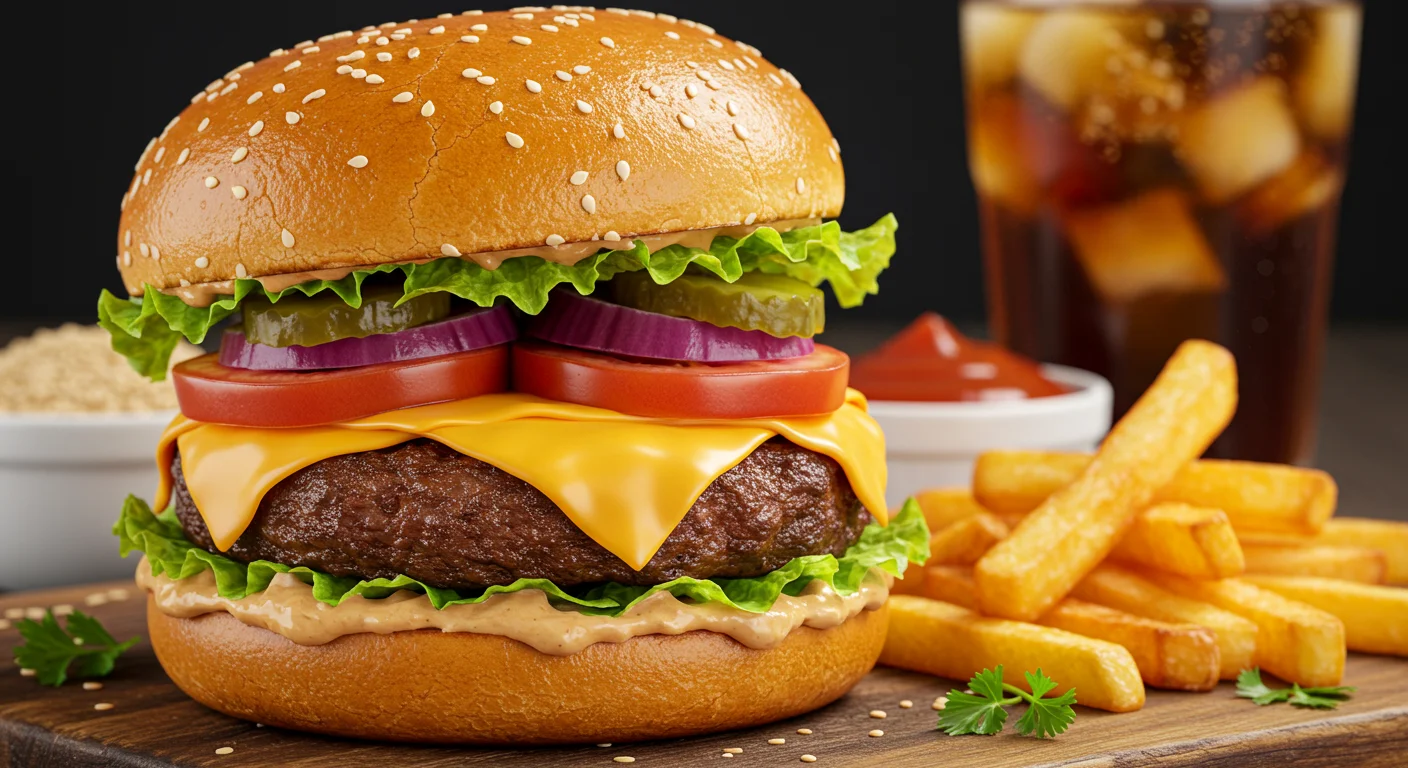
A juicy homemade beef burger with cheese offers a simple yet satisfying meal that never goes out of style. The key to making a truly great cheeseburger is using quality ground beef, shaping patties with care, and cooking them to the right level of doneness.
When paired with melted cheese and fresh toppings, the result is a homemade burger that feels both classic and customizable.
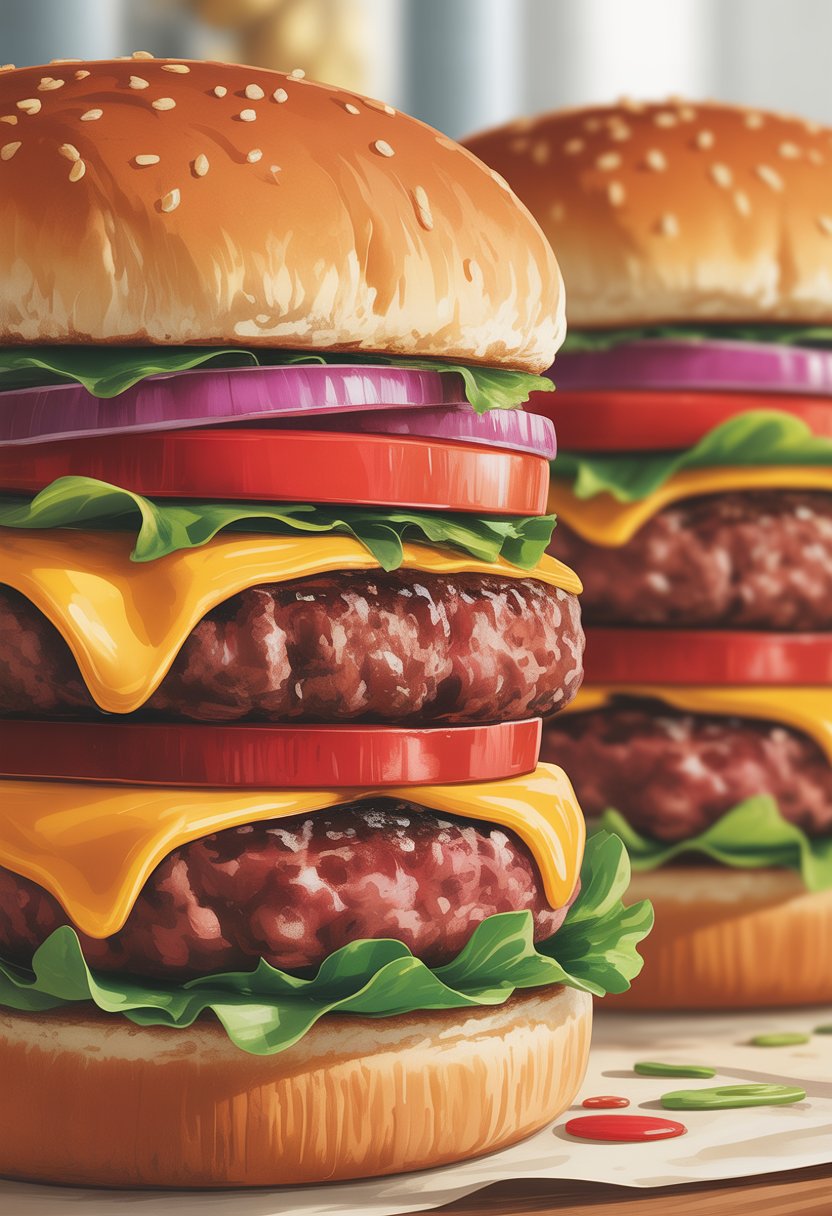
Many people enjoy making homemade burgers because they control every step, from seasoning the beef to choosing the type of cheese. A well-cooked patty locks in flavor and moisture, while a toasted bun adds the perfect finishing touch.
This balance of texture and taste makes a cheeseburger one of the most versatile comfort foods.
Creating a juicy burger at home does not require complicated steps, but it does benefit from attention to detail. By focusing on ingredients, cooking techniques, and smart assembly, anyone can turn a simple homemade beef burger into a meal that rivals restaurant quality.
Essential Ingredients for Juicy Homemade Beef Burgers
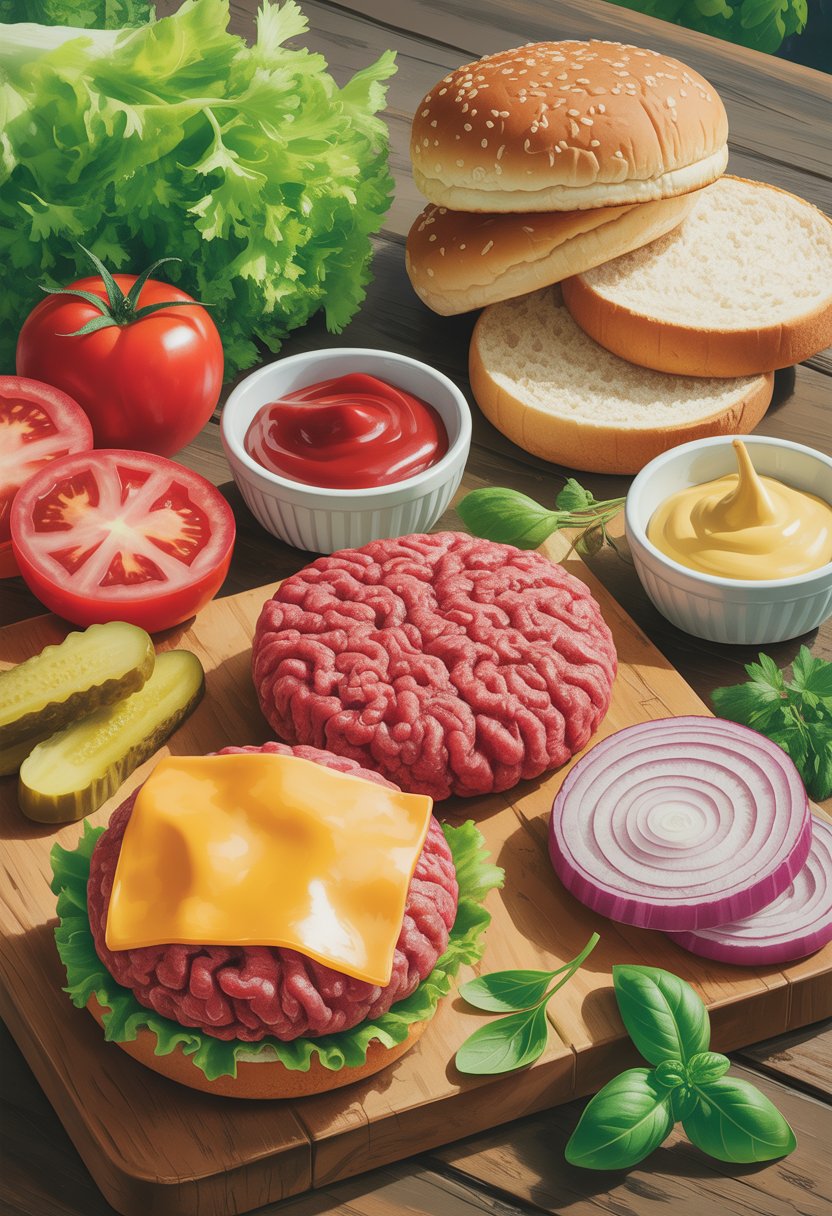
The quality of the patty, the balance of seasonings, and the choice of cheese all shape how flavorful and juicy a burger turns out. Each element needs attention, from the fat content in the beef to the type of cheese that melts best.
Choosing the Right Ground Beef
The beef patty is the foundation of a good burger. Using the right meat-to-fat ratio makes the difference between a juicy burger and a dry one.
80/20 ground beef (80% lean meat, 20% fat) is widely recommended because the fat adds moisture and flavor. Leaner blends like 90/10 may seem healthier but often cook up dry.
On the other hand, blends with too much fat can shrink more and become greasy. A balanced 80/20 mix holds its shape while staying moist.
Freshly ground beef also helps improve texture and taste. Some cooks grind their own meat or ask a butcher for a custom blend, often combining chuck, brisket, or short rib for better richness.
Seasonings and Flavor Boosters
Seasoning the beef correctly brings out its natural flavor without overpowering it. The basics usually include salt and black pepper, which should be added just before cooking to avoid drawing out moisture too early.
For more depth, cooks often add garlic powder, onion powder, or smoked paprika. These spices give the patty a savory and slightly smoky character.
If a stronger umami flavor is desired, a splash of Worcestershire sauce can be mixed into the beef. It’s important not to overmix the meat when adding seasonings.
Overhandling compresses the beef and leads to a dense, tough patty. Gentle mixing keeps the texture tender while still distributing the flavors evenly.
Selecting the Best Cheese Slices
Cheese adds both creaminess and extra flavor to the burger. The choice depends on how well it melts and the taste profile desired.
American cheese is a classic option because it melts smoothly and creates an even layer over the patty. For a stronger flavor, blue cheese offers a tangy, bold bite that pairs well with beef.
Other good options include cheddar for sharpness or Swiss for a mild, nutty taste. Thin, pre-sliced cheese ensures quick melting, especially if placed on the patty during the last minute of cooking.
Covering the pan or closing the grill lid helps the cheese melt evenly without overcooking the meat.
Crafting Perfect Burger Patties
Good homemade burgers depend on how the patties are mixed, shaped, and cooked. Keeping the meat cold, handling it gently, and cooking to the right temperature ensures juicy burgers with a tender bite and consistent flavor.
Mixing and Forming Patties
Ground beef with an 80/20 fat ratio works best for homemade burgers because the fat keeps the patties moist. Leaner blends often turn out dry.
When mixing, use clean hands or a spatula to combine seasonings lightly. Overmixing compresses the meat and makes dense patties.
Adding ingredients like minced garlic, onion powder, or Worcestershire sauce provides flavor without fillers. Divide the mixture into equal portions, usually 4 patties per pound of beef.
Shape each patty slightly larger than the bun since it will shrink during cooking. Pressing a small thumbprint in the center helps the patty cook evenly and prevents it from puffing up.
Tips for Maximum Juiciness
The way patties are handled before and during cooking makes a big difference. Always keep the meat cold until it hits the pan or grill.
Warm meat causes fat to melt too early, which leads to dry burgers. Avoid pressing patties down with a spatula while cooking.
This squeezes out juices. Instead, let them sear undisturbed for several minutes per side to build a crust that locks in moisture.
Resting the patties for 3–5 minutes after cooking allows the juices to redistribute. For extra flavor, cook patties in a cast-iron skillet with a small amount of butter or oil.
This helps create a crisp surface without drying out the inside.
Using a Meat Thermometer
A meat thermometer ensures patties are safe to eat while staying juicy. Ground beef should reach an internal temperature of 160°F (71°C) for food safety.
Checking the center of the patty with a digital thermometer is the most reliable method. For those who prefer slightly pink centers, cooking to around 150–155°F (65–68°C) provides a balance of safety and tenderness, though it carries slightly more risk.
Insert the thermometer from the side of the patty rather than the top. This gives a more accurate reading of the thickest part.
Using this simple tool prevents overcooking, which is one of the most common reasons homemade burgers lose their juiciness.
Cooking Techniques for Juicy Beef Burgers
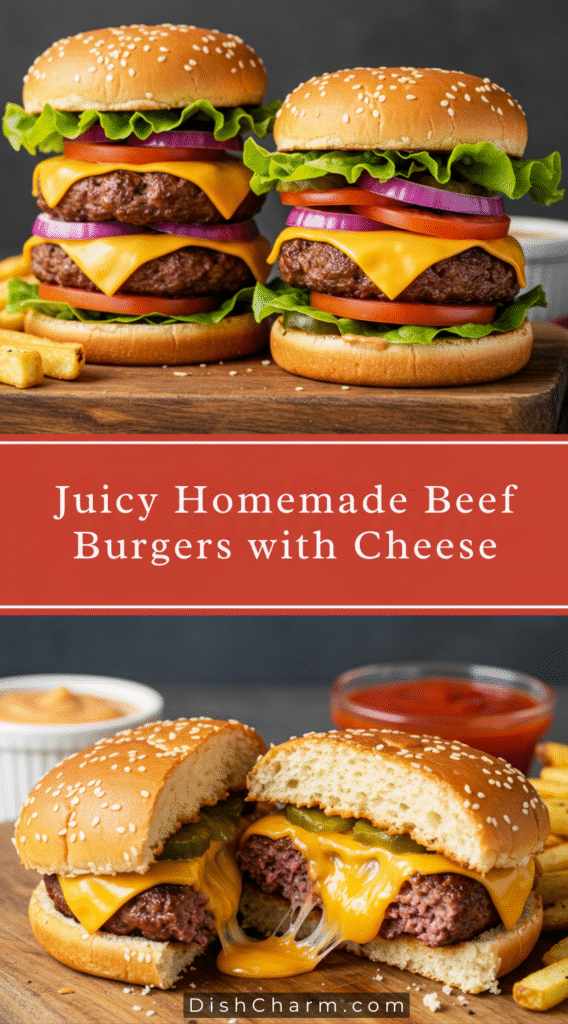
The texture and flavor of a homemade beef burger depend on both the cooking surface and the timing. Heat control, fat retention, and the way cheese slices melt all play a role in producing a juicy burger recipe that tastes fresh and balanced.
Grilling Methods
Grilling gives burgers a smoky flavor and a charred crust. Using ground beef with about 80/20 meat-to-fat ratio helps keep patties moist while cooking over direct heat.
Leaner blends often dry out quicker, so higher fat content is preferred. Cooks should preheat the grill to medium-high heat before placing patties.
A hot surface prevents sticking and creates a seared exterior. Avoid pressing down on the burgers with a spatula, since this forces juices out and leads to a drier texture.
Flipping once during cooking is usually enough. Frequent flipping can disrupt the crust and release moisture.
Keeping the lid closed helps maintain even heat, especially for thicker patties. For food safety, burgers should reach an internal temperature of 160°F (71°C).
Stovetop and Pan Cooking
Cooking on a stovetop offers more control over heat compared to outdoor grilling. A cast-iron skillet or flat griddle works best because it holds heat well and creates an even sear.
This method also captures more of the rendered fat, which adds flavor. Forming patties with a slight dimple in the center helps them cook evenly and prevents puffing in the middle.
Lightly packing the meat keeps the texture tender instead of dense. Seasoning both the surface and the inside of the ground beef mixture ensures consistent flavor in every bite.
Medium-high heat is ideal for searing the outside while leaving the inside juicy. If the pan becomes too hot, the exterior can burn before the center cooks through.
Like grilling, the target internal temperature remains 160°F for ground beef.
Adding Cheese for Melting
Cheese slices not only add flavor but also lock in heat and moisture. American cheese is a common choice because it melts smoothly and covers the patty evenly.
Other options like cheddar or Swiss create stronger flavors but may not melt as uniformly. The best time to add cheese is about 1–2 minutes before the burger finishes cooking.
Place the slice directly on the patty, then cover the grill or pan with a lid to trap steam. This helps the cheese melt quickly without overcooking the meat.
For a homemade beef burger, pairing the patty with toasted buns and fresh toppings completes the recipe. The melted cheese acts as a creamy layer that balances the beef’s richness and enhances the overall texture.
Building the Ultimate Cheeseburger
A well-made cheeseburger depends on more than just the beef patty and cheese. The bun, the way toppings are arranged, and the sauces used all play a direct role in flavor, texture, and balance.
Attention to these details ensures every bite feels consistent and satisfying.
Toasting and Choosing Burger Buns
The bun needs to be sturdy enough to hold the patty, cheese, and toppings without falling apart. Brioche buns bring a soft, slightly sweet flavor, while sesame seed buns add a classic touch and light crunch.
Pretzel buns work well for those who prefer a chewy texture. Toasting the bun is essential.
A light toast prevents sogginess from condiments and juices while adding a subtle crispness. This can be done on a grill, skillet, or toaster for 1–2 minutes.
A thin layer of butter or mayonnaise brushed on the inside before toasting can improve flavor and create a barrier against moisture. The goal is a bun that supports the burger without overpowering it.
Layering Toppings and Fresh Ingredients
The order of toppings affects both structure and taste. Starting with lettuce at the bottom helps protect the bun from juices.
Adding tomato slices and pickles next provides freshness and acidity. The patty with melted cheese should sit in the center as the anchor.
Above it, toppings like avocado, caramelized onions, or even crispy bacon can be added for richness and texture. A useful approach is to place firmer toppings low and softer ones higher up.
This keeps the burger stable and easier to hold. Proper layering ensures each bite includes a mix of crunch, freshness, and savory depth.
Homemade Burger Sauce Recipes
A balanced sauce ties the burger together. The classic base often starts with mayonnaise, ketchup, and mustard.
Ratios can be adjusted depending on whether a creamier, tangier, or sharper flavor is desired. For more variety, ingredients like minced pickles, garlic powder, or smoked paprika can be mixed in.
A simple example:
| Ingredient | Amount |
|---|---|
| Mayonnaise | ½ cup |
| Ketchup | 2 tbsp |
| Mustard | 1 tbsp |
| Pickles (finely chopped) | 1 tbsp |
Mix until smooth and chill before use. This type of homemade burger sauce adds consistency and freshness compared to bottled condiments.
Creative Burger Variations and Additions
Different cheeses, toppings, and fresh ingredients can change a simple beef patty into something more flavorful. By choosing the right combinations, cooks can create burgers that feel both familiar and unique.
Gourmet Cheese and Topping Ideas
Cheese plays a big role in shaping flavor. Blue cheese adds a sharp, tangy bite that pairs well with caramelized onions or sautéed mushrooms.
Swiss cheese melts smoothly and works nicely with earthy toppings like mushrooms. For a richer taste, some use smoked gouda or aged cheddar.
Toppings can also elevate a burger. A few popular gourmet options include:
- Caramelized onions for sweetness
- Crispy bacon for crunch and salt
- Sautéed mushrooms for earthy depth
- Arugula instead of iceberg for a peppery bite
Sauces matter too. Aioli, truffle mayo, or even a light mustard sauce can balance the richness of the beef and cheese.
These additions give variety without making the burger overly complicated.
Avocado and Specialty Burgers
Avocado brings creaminess and a mild flavor that balances the saltiness of beef and cheese. Sliced avocado or mashed guacamole can be added directly on the patty.
Some recipes also use avocado as a base for sauces mixed with lime juice or chili flakes. Specialty burgers often combine avocado with other ingredients.
A few examples include:
- Avocado and bacon burger with cheddar
- Avocado and pepper jack burger for a spicier option
- Avocado turkey burger for a lighter variation
These burgers often use fresh toppings like tomato, lettuce, or pickled onions to add crunch. The result is a burger that feels hearty but still refreshing, making it a versatile choice for different tastes.
Serving Suggestions and Storage Tips
A well-prepared burger pairs best with sides that balance richness and add texture. Storing leftovers correctly keeps patties safe to eat and helps maintain their flavor and moisture for another meal.
Best Sides for Beef Burgers
Classic sides like French fries and onion rings remain popular because they add crunch and saltiness. A lighter option such as a green salad or coleslaw provides freshness that cuts through the richness of the beef and cheese.
Potato salad is another staple. Its creamy texture complements the burger while offering a cool contrast to the hot patty.
For variety, roasted vegetables or grilled corn on the cob bring smoky notes that match well with charred beef. Drinks also play a role.
A cold soda, iced tea, or a simple milkshake balances the savory flavors. For those who prefer alcohol, a light beer or crisp cider pairs well without overpowering the burger.
Here’s a quick guide:
| Side Dish | Flavor Balance | Best For |
|---|---|---|
| French Fries | Salty, crispy | Classic pairing |
| Potato Salad | Creamy, cool | Summer meals |
| Coleslaw | Tangy, crunchy | Lighter option |
| Grilled Corn | Smoky, slightly sweet | Outdoor cooking |
Make Ahead and Storing Leftovers
Forming patties a day ahead saves time, but they should be kept in the refrigerator, separated with parchment paper, and sealed in an airtight container. Storing them raw keeps the texture tender until cooking.
Cooked patties last about 3–4 days in the refrigerator. They should cool before storage and be wrapped tightly to prevent drying out.
For longer storage, freezing is effective. Place patties in freezer-safe bags with wax paper between layers to stop sticking.
When reheating, use a skillet or oven instead of a microwave to keep the patty juicy. Adding a small splash of broth or water to the pan helps restore moisture.
Buns and toppings should always be stored separately to avoid sogginess.
Frequently Asked Questions
The quality of beef, the right cooking method, and thoughtful seasoning all play important roles in making a flavorful, juicy burger. Cheese choice, handling techniques, and even small details like patty thickness can make a noticeable difference in the final result.
What ingredients are essential for the best homemade burger recipe?
Ground beef with an 80/20 lean-to-fat ratio is the base for a juicy burger. Salt, black pepper, and onion or garlic powder are common seasonings.
Some cooks also add Worcestershire sauce, breadcrumbs, or an egg to improve texture and flavor.
How can you ensure beef burgers stay juicy and moist during cooking?
Keeping the beef cold before cooking helps retain juices. Avoid pressing down on patties while cooking, since this forces liquid out.
Cooking over medium-high heat creates a seared crust that locks in moisture without overcooking the inside.
Which cheeses are recommended for the perfect melt on a cheeseburger?
American cheese melts smoothly and gives a classic taste. Cheddar adds sharper flavor, while Swiss or Provolone provide a milder, creamy melt.
For stronger taste, blue cheese or smoked gouda can be used.
What are some tips for crafting gourmet burger patties at home?
Form patties slightly larger than the buns to account for shrinkage. Make a small thumbprint in the center to prevent puffing during cooking.
Mixing in extras like finely diced onion, fresh herbs, or shredded cheese can add depth without overwhelming the beef flavor.
How do top chefs like Gordon Ramsay and Jamie Oliver suggest making homemade burgers?
Gordon Ramsay often emphasizes seasoning the beef just before cooking and keeping patties thick for juiciness. Jamie Oliver tends to highlight fresh herbs, simple seasoning, and quality beef as the foundation of a good burger.
Both stress not overworking the meat.
Are there any secret spices or herbs that enhance the flavor of homemade beef burgers?
Smoked paprika, cayenne pepper, or dried oregano can add subtle depth.
Fresh parsley or thyme brings brightness without overpowering the beef.
Many cooks also use a small amount of mustard or barbecue sauce in the mix for extra flavor.
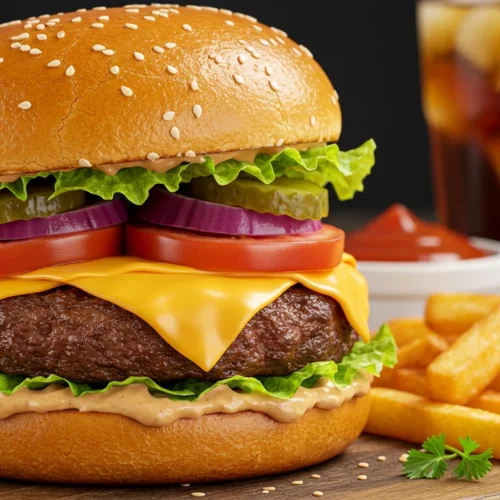
Juicy Homemade Beef Burgers with Cheese
Equipment
- 1 Grill or stovetop skillet For cooking patties; cast iron works best for stovetop.
- 1 Meat Thermometer Ensures safe internal temperature.
- 1 Mixing Bowl For combining ingredients gently.
- 1 Spatula For flipping patties.
- 1 Knife For slicing toppings like tomatoes and onions.
- 1 Cutting Board Provides a safe surface for prep work.
Ingredients
- 1 lb Ground beef (80/20 blend) Leaner blends may dry out; custom blends like chuck or brisket add flavor.
- 4 slices Cheese (American, cheddar, Swiss, etc.) Choose based on melting properties and flavor preference.
- 4 – Burger buns Brioche, sesame seed, or pretzel buns work well.
- Salt To taste – Season generously just before cooking.
- Pepper To taste – Freshly ground for better flavor.
- Optional – Garlic powder Adds savory depth.
- Optional – Onion powder Enhances flavor without adding moisture.
- Optional – Worcestershire sauce Mix in for umami flavor; 1 tsp per pound of beef.
- Optional – Toppings (lettuce, tomato, onion, pickles, avocado, bacon, etc.) Customize as desired.
- Optional – Condiments (mayo, ketchup, mustard, aioli, etc.) Prepare homemade burger sauce if preferred.
Instructions
Step-by-Step Recipe
Prepare the Patties:
- Divide the ground beef into 4 equal portions (about ¼ lb each). Gently shape into patties slightly larger than the buns, pressing a thumbprint in the center to prevent puffing.
- Season both sides generously with salt, pepper, and optional spices like garlic powder or onion powder. Avoid overmixing to keep the texture tender.
Preheat the Cooking Surface:
- Heat a grill or skillet over medium-high heat. For grills, preheat to about 400°F (200°C). For skillets, use medium-high heat and add a small amount of oil or butter for searing.
Cook the Patties:
- Place the patties on the hot surface. Cook undisturbed for 3–4 minutes per side for medium-rare to medium doneness. Use a meat thermometer to check for an internal temperature of 160°F (71°C) for food safety.
- Avoid pressing down on the patties, as this releases juices and dries them out.
Add Cheese and Melt:
- During the last 1–2 minutes of cooking, place a slice of cheese on each patty. Cover the grill or skillet to trap steam and melt the cheese evenly.
Toast the Buns:
- Lightly toast the buns on the grill, skillet, or toaster for 1–2 minutes. Brush with butter or mayo for added flavor and moisture resistance.
Assemble the Burgers:
- Layer the toasted buns with desired toppings: lettuce, tomato slices, onion rings, pickles, avocado, or bacon. Place the cheesy patty on top and finish with condiments or homemade burger sauce.
Serve Immediately:
- Serve the burgers hot with your choice of sides like fries, coleslaw, or grilled corn.
Notes
-
- Storage: Store leftover patties in an airtight container in the fridge for up to 3–4 days. Reheat in a skillet or oven with a splash of broth or water to retain juiciness.
- Freezing: Freeze raw or cooked patties in freezer-safe bags with wax paper between layers. Raw patties can be stored for up to 3 months; cooked patties for up to 1 month.
- Healthier Option: Use leaner beef (e.g., 85/15 blend) and low-fat cheese, and serve with lighter toppings like avocado or arugula.
Frequently Asked Questions
-
What ingredients are essential for the best homemade burger?
- Ground beef (80/20 blend), salt, pepper, and cheese. Optional additions include garlic powder, onion powder, Worcestershire sauce, and fresh herbs.
-
How can you ensure burgers stay juicy?
- Use a fat-rich beef blend, season just before cooking, avoid overmixing, and don’t press down on the patties while cooking.
-
Which cheeses are recommended for melting?
- American cheese melts smoothly; cheddar adds sharpness; Swiss provides creaminess; blue cheese offers bold flavor.
-
What are some tips for crafting gourmet patties?
- Form patties slightly larger than the buns, add a thumbprint in the center, and mix in finely diced onion, herbs, or shredded cheese for extra flavor.
-
How do chefs recommend making homemade burgers?
- Gordon Ramsay emphasizes thick patties and minimal handling. Jamie Oliver highlights fresh herbs and quality beef. Both stress avoiding overworking the meat.
-
Are there secret spices or herbs for enhancing flavor?
- Smoked paprika, cayenne pepper, dried oregano, or fresh parsley and thyme add subtle depth. Mustard or barbecue sauce mixed in can also enhance flavor.
Tips & Tricks
- Flavor Enhancement: Add a splash of soy sauce or smoked paprika to the beef mixture for extra umami. Toast buns with butter or garlic mayo for added richness.
- Presentation: Garnish with fresh herbs like parsley or cilantro for color and freshness. Arrange toppings neatly for a visually appealing burger.
- Leftovers: Use leftover patties in sandwiches, wraps, or salads. Pair with different sauces for variety.
Plating and Garnishing
- Garnish: Sprinkle chopped parsley or green onions for added freshness.
- Serving Style: Arrange burgers neatly on plates or trays, drizzle with sauces, and serve alongside crispy fries, coleslaw, or grilled vegetables.
- Sides: Pair with golden fries, creamy potato salad, tangy coleslaw, or smoky grilled corn for balance.