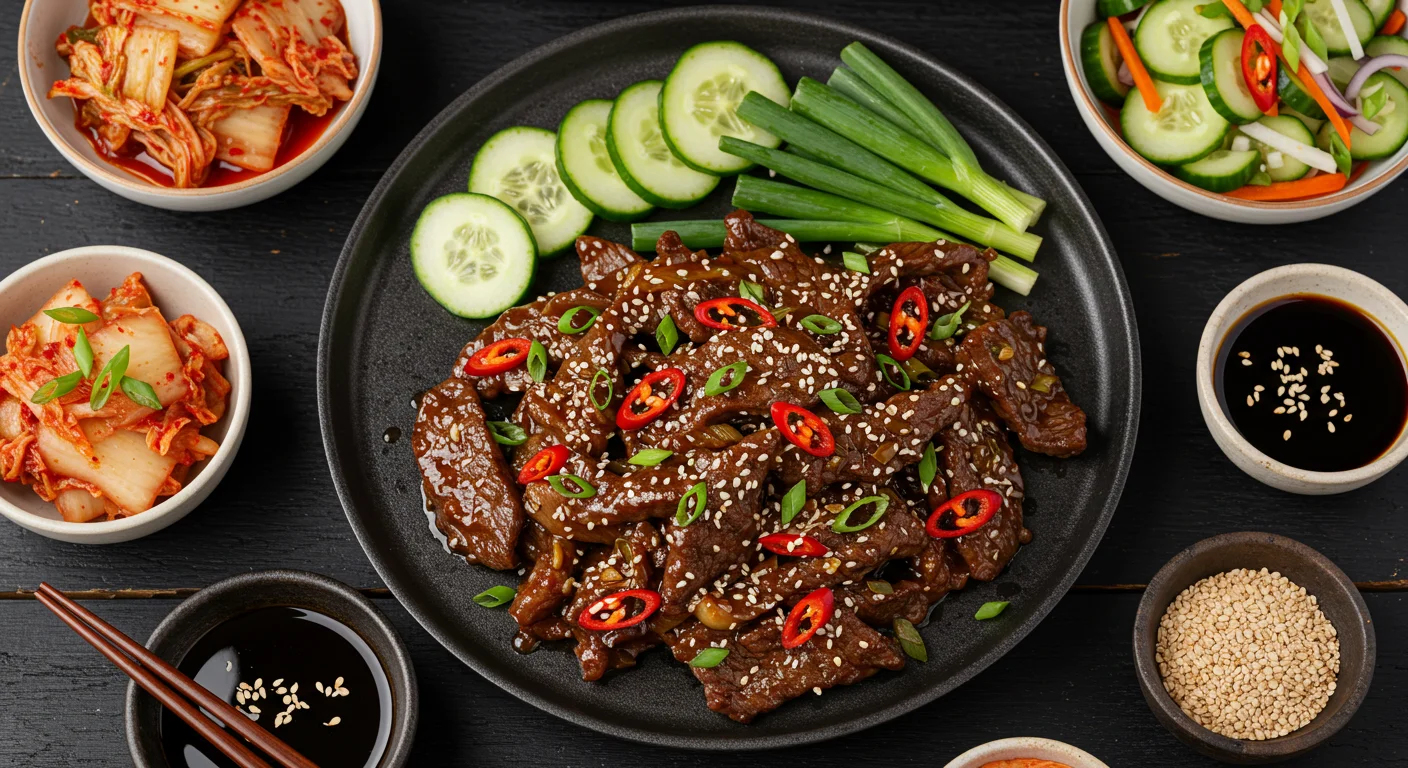
Korean BBQ Beef Bulgogi: Authentic Flavors, Marinade, and Cooking Guide
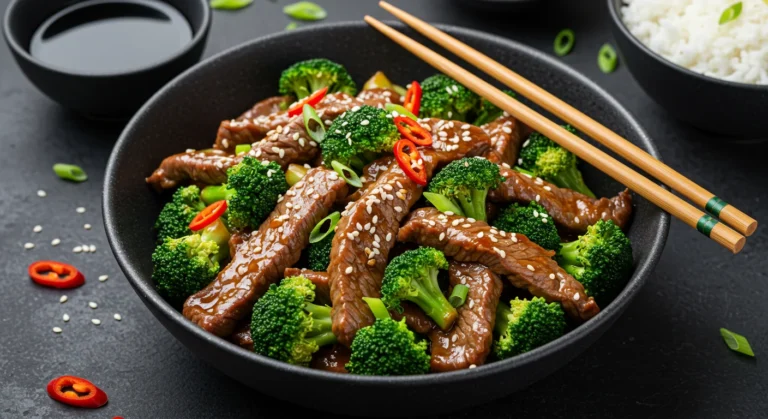
Korean BBQ Beef Bulgogi has become one of the most popular dishes to make at home because it combines simple preparation with bold flavor. Thin slices of marinated beef cook quickly, making it both practical for weeknight meals and impressive for gatherings.
Bulgogi is thinly sliced beef marinated in a sweet and savory sauce, then grilled or pan-fried until tender and flavorful.
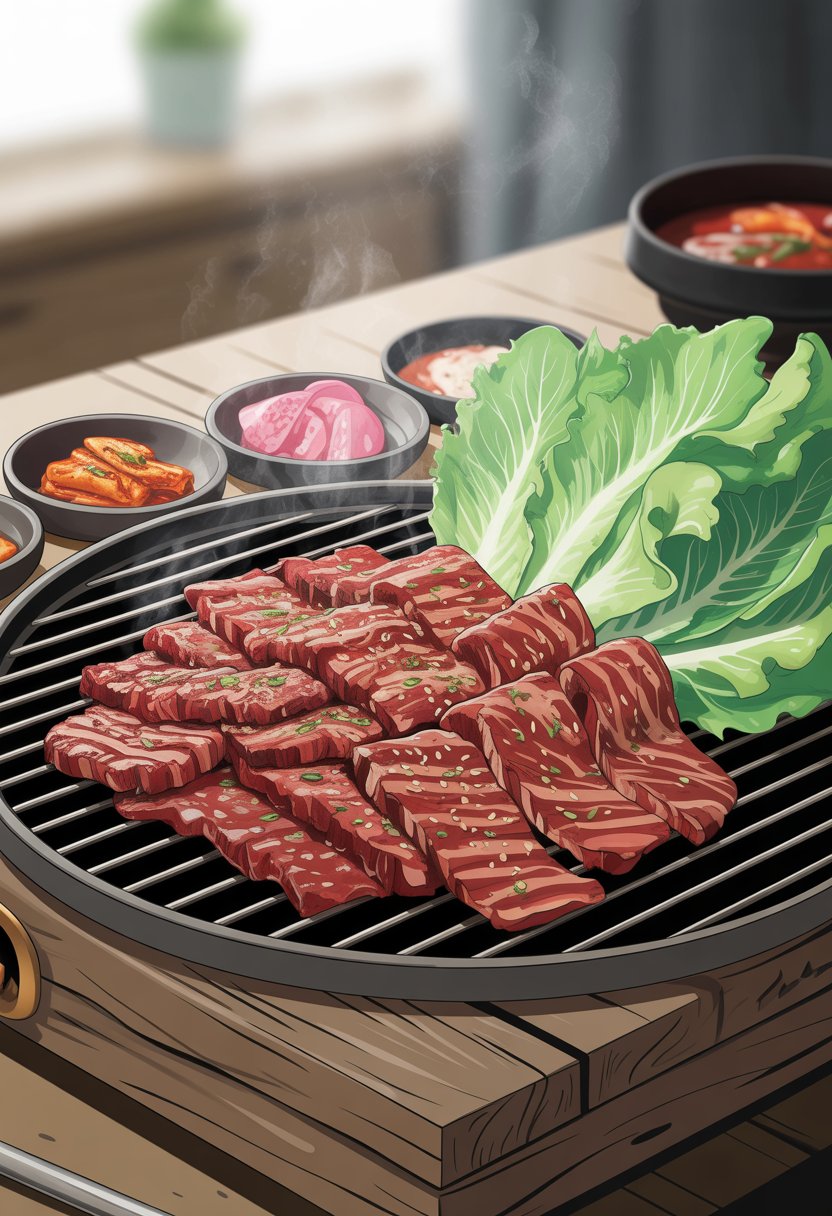
This dish has deep roots in Korean cuisine, yet it remains approachable with ingredients that are easy to find in most kitchens or local markets. The balance of soy sauce, sesame oil, garlic, and a hint of sweetness creates a marinade that transforms beef into something rich and satisfying.
When cooked, the meat stays juicy and develops layers of flavor that work well with rice, lettuce wraps, or traditional side dishes. Learning how to prepare bulgogi at home also opens the door to understanding Korean food culture.
From choosing the right cut of beef to marinating techniques and cooking methods, each step highlights why this dish has been enjoyed for centuries and continues to be a favorite worldwide.
What Is Korean BBQ Beef Bulgogi?
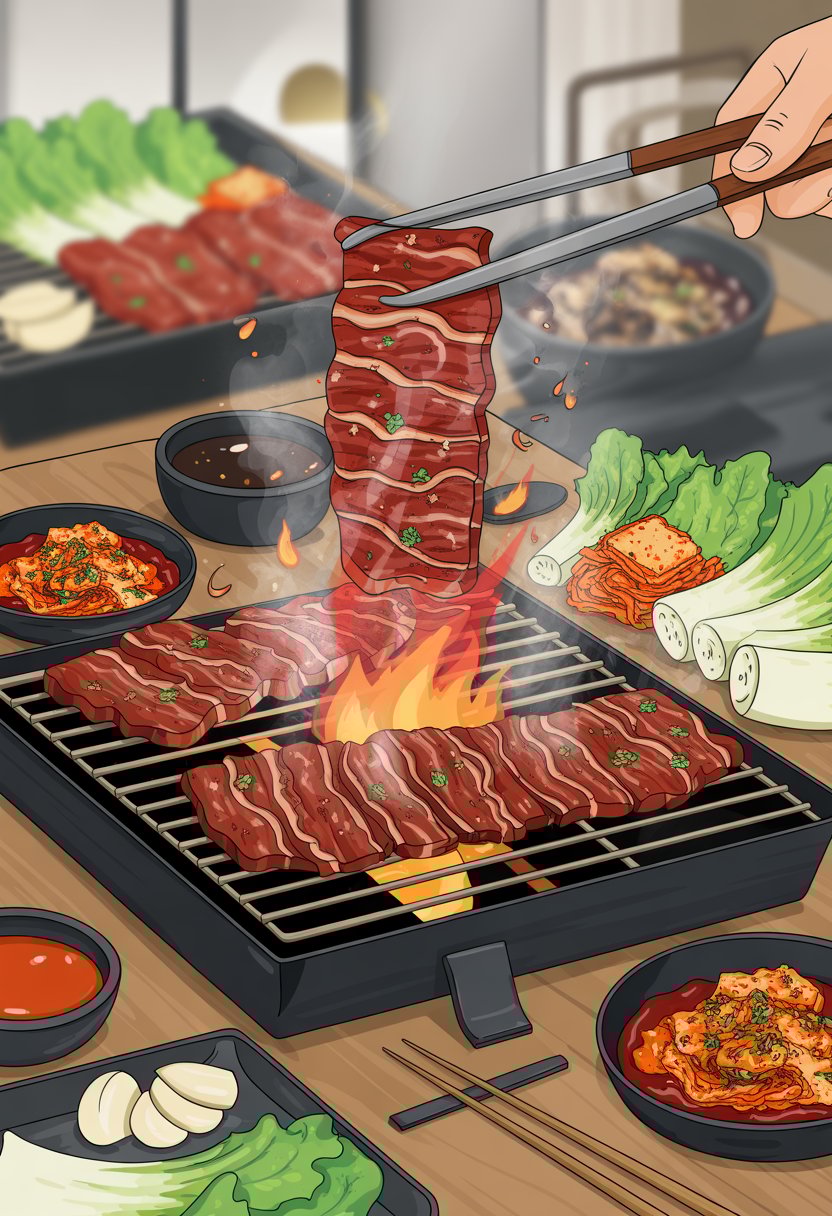
Korean BBQ beef bulgogi is a marinated beef dish known for its balance of sweet, savory, and smoky flavors. It combines thinly sliced beef with a seasoned sauce and is cooked quickly over high heat, either on a grill, stovetop, or pan.
The dish reflects both Korea’s culinary history and its modern dining culture.
Origins and Meaning of Bulgogi
The word bulgogi translates to “fire meat” in Korean. The name comes from the traditional method of grilling marinated meat over an open flame.
Despite the name, the dish is not usually spicy but instead highlights a savory-sweet flavor profile. Bulgogi traces back to the Goguryeo Dynasty (37 BCE–668 CE), when it was first prepared as maekjeok, skewered and grilled meat.
Over centuries, the dish evolved in both flavor and cooking style. By the Joseon Dynasty, bulgogi had become a common household meal, shifting from skewers to thin slices of beef cooked on flat grills or pans.
Today, bulgogi holds a central place in Korean cuisine and is often featured at Korean BBQ restaurants where diners cook meat at the table.
Key Characteristics of Beef Bulgogi
Beef bulgogi uses tender cuts such as ribeye, sirloin, or tenderloin. These cuts are sliced thin to absorb the marinade and cook quickly without losing tenderness.
Freezing the beef slightly before slicing helps achieve the right thinness. The marinade defines the dish.
A typical mix includes soy sauce, garlic, ginger, sesame oil, sugar or honey, and scallions. Fruit such as Asian pear or apple is often added to tenderize the meat and add natural sweetness.
Cooking methods vary, but high heat is essential. Grilling creates a smoky flavor, while pan-frying gives a caramelized finish.
Vegetables like onions, carrots, and mushrooms are often added to absorb the sauce and provide texture.
Traditional and Modern Variations
The classic version uses beef, but pork, chicken, and even vegetarian versions are common today. Pork bulgogi often features gochujang (Korean chili paste) for a spicier taste.
Chicken bulgogi is lighter but uses a similar marinade. Regional traditions also influence the dish.
Seoul-style bulgogi emphasizes sweetness, while Andong-style bulgogi is often cooked in broth, creating a hot pot-like dish. Modern adaptations include vegetarian bulgogi made with tofu, mushrooms, or plant-based protein.
These options keep the same marinade flavors while offering alternatives for different diets.
Essential Ingredients for Authentic Bulgogi
Authentic bulgogi depends on two main factors: the quality of the beef and the balance of the marinade. Thin slices of tender, well-marbled meat absorb a mixture of savory, sweet, and nutty flavors that cook quickly over high heat without losing moisture.
Fresh aromatics and optional enhancers add depth and variation without straying from tradition.
Best Cuts of Beef
The choice of beef determines the texture and flavor of bulgogi. Ribeye is the most common cut because its marbling keeps the meat juicy and tender during quick cooking.
The fat melts into the thin slices, creating a rich taste that pairs well with the sweet-salty marinade. Top sirloin is a leaner but still flavorful alternative.
It costs less than ribeye and works well when sliced very thin against the grain. Tenderloin is another option, prized for its softness, though it lacks the deeper beef flavor that comes from marbled cuts.
Many Korean markets sell pre-sliced beef labeled for bulgogi, saving preparation time. When cutting at home, freezing the beef for about an hour makes it firm enough to slice into pieces about 2–3 mm thick.
This thinness ensures fast cooking and even absorption of the marinade.
Classic Marinade Ingredients
The marinade balances savory, sweet, and nutty flavors. Soy sauce forms the base, providing saltiness and umami.
Brown sugar or honey adds sweetness and helps the meat caramelize when cooked. Rice wine or mirin deepens the flavor and softens the beef slightly.
Sesame oil is essential for its nutty aroma. It should be added in small amounts since it can overpower other flavors.
Black pepper introduces mild heat and complexity without making the dish spicy. A grated Korean pear or Bosc pear is often included.
The natural enzymes in the fruit tenderize the beef while adding subtle sweetness. If unavailable, a crisp apple can serve as a substitute.
Together, these ingredients create the recognizable taste of bulgogi.
Role of Fresh Aromatics
Garlic and fresh ginger are critical for the fragrance and depth of bulgogi. Garlic provides a pungent, savory note that blends well with soy sauce.
Fresh ginger adds a mild heat and brightness that balances the sweetness of sugar or pear. Using fresh aromatics is important.
Pre-minced or dried versions lose much of their sharpness and can dull the overall flavor. Minced garlic cloves and finely grated ginger should be mixed directly into the marinade to release their oils and juices.
Green onions are often added as well. Their mild bite enhances the marinade and provides a fresh element that carries through the cooking process.
These aromatics ensure bulgogi has a layered, well-rounded taste.
Optional Flavor Enhancers
Cooks sometimes adjust the marinade with small additions to suit personal preference. A spoonful of honey can replace or complement sugar, giving a smoother sweetness.
A splash of rice vinegar can add brightness if the flavors feel too heavy. For those who enjoy more depth, a small amount of grated onion can be included.
It blends into the marinade and adds natural sweetness. Toasted sesame seeds sprinkled over the finished dish enhance nuttiness and add texture.
Some variations also include mushrooms or thin-sliced vegetables marinated alongside the beef. While not traditional, they absorb the sauce well and create a more substantial meal.
These additions allow flexibility without changing the core identity of bulgogi.
How to Prepare and Marinate Korean BBQ Beef Bulgogi
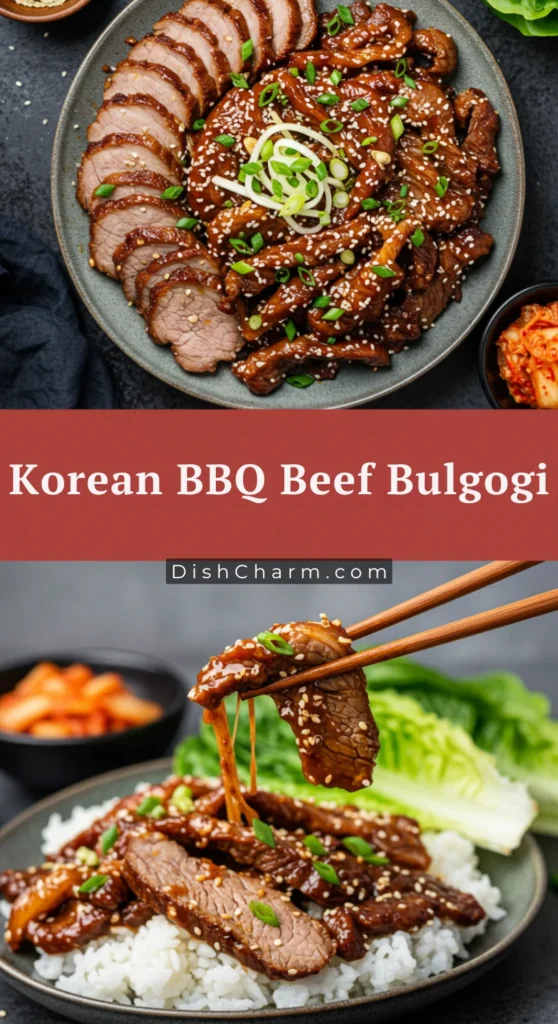
Preparing bulgogi begins with choosing a tender cut of beef, slicing it thinly, and soaking it in a balanced marinade. The process focuses on texture, flavor absorption, and proper timing to achieve tender, flavorful meat that cooks quickly and evenly.
Slicing Beef for Optimal Texture
The texture of bulgogi depends on cutting the beef into thin slices, usually about 2–3 mm thick. This allows the marinade to penetrate quickly and ensures the meat cooks in minutes without drying out.
Freezing the beef until firm but not solid makes slicing easier. A sharp knife should glide through the meat, cutting across the grain for a tender bite.
Cutting with the grain can leave the beef chewy. Rib eye, top sirloin, or tenderloin are commonly used because they have enough marbling for flavor but remain soft when cooked.
Pre-sliced bulgogi meat from Korean markets can save time, but cutting it at home gives better control over freshness and thickness.
Mixing and Balancing the Marinade
The marinade combines salty, sweet, and aromatic ingredients that season and tenderize the beef. A standard base includes soy sauce, garlic, fresh ginger, and a sweetener such as honey or brown sugar.
Fruit such as Asian pear or apple is often blended in, adding natural sweetness and enzymes that soften the meat. Onion also adds mild sweetness and moisture.
A balanced marinade might look like this:
| Ingredient | Purpose |
|---|---|
| Soy sauce | Saltiness, umami |
| Garlic | Depth of flavor |
| Fresh ginger | Mild spice, warmth |
| Honey or sugar | Sweetness, caramelization |
| Pear or apple | Tenderizing, natural sweetness |
Adjusting sugar and salt levels helps avoid overpowering the beef. A smooth, blended marinade coats the thin slices evenly.
Marinating Tips and Timing
The beef should be mixed thoroughly with the marinade so each slice is coated. Massaging the sauce into the meat helps it absorb the flavors more effectively.
Adding sesame oil at the end prevents it from blocking absorption of the other ingredients. Marination time matters.
Four hours in the refrigerator is usually enough for thin slices, but overnight marination deepens flavor. Strong tenderizers like kiwi or pineapple should be used sparingly and for shorter times to avoid mushy texture.
For convenience, marinated bulgogi can be stored in the fridge for up to 3–4 days or frozen for later use. Airtight containers prevent the sauce from losing its aroma and keep the beef ready for quick cooking.
Cooking Methods for Perfect Bulgogi
The way bulgogi cooks affects its flavor, tenderness, and texture. Heat level, cooking surface, and timing matter most, since thin slices of beef can overcook quickly if not handled with care.
Grilling on an Outdoor Grill
Cooking bulgogi on an outdoor grill gives the meat a smoky edge that many people associate with traditional Korean cooking. The open flame caramelizes the marinade, creating slightly crisp edges while keeping the inside juicy.
For best results, use a medium-high heat setting. Oil the grates lightly to prevent sticking, then lay the beef in a single layer.
Avoid piling the slices since overcrowding prevents proper browning. Charcoal grills provide a deeper flavor, but gas grills work well for convenience.
The key is short cooking times—about 2–3 minutes per side—to avoid drying out the thin slices. Serve directly from the grill with lettuce wraps, rice, and dipping sauces for an authentic Korean BBQ experience.
Using a Grill Pan or Skillet
A grill pan or cast iron skillet is ideal when outdoor grilling is not possible. The ridges of a grill pan mimic the marks of an outdoor grill, while a flat skillet provides even contact for more caramelization.
Preheat the pan over medium-high heat until hot, then add a light coating of neutral oil. This step ensures the beef sears quickly without steaming.
Work in small batches, keeping slices in a single layer. Cooking indoors allows better control of heat and prevents flare-ups.
A cast iron skillet holds steady heat, which helps develop a flavorful crust on the meat. Once the beef browns, sprinkle with toasted sesame seeds or chopped green onions before serving.
This method is fast, reliable, and well-suited for weeknight meals.
Stovetop Stir-Fry Techniques
Stir-frying bulgogi on the stovetop is another common method in Korean cooking. It requires a wide skillet or wok to give the beef enough room to cook evenly.
Heat the pan until very hot, then add oil before quickly spreading the marinated slices across the surface. Stir and flip often, keeping the beef moving to prevent burning.
This technique produces tender meat with a glossy, caramelized coating from the marinade. It also works well for mixing in vegetables like onions, mushrooms, or carrots.
Because the beef cooks fast, preparation is important. Have all ingredients ready before starting, and serve immediately to preserve the texture and flavor.
Serving Suggestions and Traditional Accompaniments
Korean BBQ beef bulgogi is rarely eaten on its own. It is usually paired with fresh vegetables, bold condiments, and small side dishes that balance the savory, slightly sweet flavor of the meat.
These additions create variety in taste and texture, making the meal feel complete.
Lettuce Wraps and Ssamjang
One of the most common ways to enjoy bulgogi is in a lettuce wrap. Diners place a small portion of beef on a crisp lettuce leaf, often iceberg or romaine, and add rice or vegetables before folding it into a bite-sized wrap.
The wrap is not complete without ssamjang, a thick paste made from fermented soybean paste (doenjang), chili paste (gochujang), garlic, and sesame oil. This condiment adds a salty, spicy, and nutty flavor that balances the beef.
Other additions like sliced garlic, green chili peppers, or kimchi can be tucked inside the wrap. This style of eating, called ssam, turns the meal into an interactive experience where each bite can be customized.
Classic Side Dishes
Traditional Korean meals are served with an assortment of banchan (small side dishes). With bulgogi, the most common are:
- Kimchi – fermented cabbage or radish with chili and garlic.
- Pickled radish – lightly sweet and sour, offering a crisp contrast.
- Japchae – stir-fried glass noodles with vegetables.
- Soybean sprouts – seasoned with sesame oil and garlic.
These sides balance the richness of the beef with acidity, crunch, or mild sweetness. Many are served cold or at room temperature, which contrasts well with the hot grilled meat.
A bowl of steamed white rice is almost always included to round out the meal.
Garnishes and Final Touches
Simple garnishes highlight the flavor of bulgogi without overpowering it. Toasted sesame seeds sprinkled over the beef add a nutty aroma and slight crunch.
Chopped green onions provide freshness and a mild sharpness. Some cooks also add thinly sliced raw onions or quick-pickled vegetables on the side.
These garnishes are not just decorative; they balance the dish by cutting through the sweetness of the marinade.
A fried egg or a drizzle of sesame oil can also be added when serving bulgogi in a rice bowl.
Tips for Leftovers, Storage, and Creative Uses
Leftover bulgogi can stay flavorful if stored correctly and can also be repurposed into new meals.
Proper Storage and Reheating
Cooked bulgogi should cool before storing. Place it in an airtight container and refrigerate within two hours of cooking.
It will keep well in the refrigerator for up to 3 days. For longer storage, freeze fully cooled bulgogi in a freezer-safe container for up to 3 months.
When reheating, avoid drying out the meat. A skillet over medium heat works best.
Add a splash of water or a small amount of oil to help revive the sauce and keep the beef tender. Stir gently until heated through.
Microwaving is possible but less ideal. If using the microwave, cover the bulgogi with a damp paper towel and heat in short intervals to prevent toughness.
Always check that it is warmed evenly before serving.
Incorporating Leftover Bulgogi into Other Dishes
Leftover bulgogi adapts well to many quick meals. Chop the beef and add it to fried rice with leftover rice, vegetables, and a bit of kimchi for extra flavor.
It also works well in ramen or noodle soups, where the beef adds depth to the broth. For lighter meals, wrap slices in lettuce leaves with rice and ssamjang paste.
Another option is to use bulgogi as a filling for tacos, quesadillas, or sandwiches, pairing the sweet-savory beef with fresh vegetables.
Egg-based dishes are another easy option. Add chopped bulgogi to an omelet or savory pancake for a hearty breakfast or snack.
Frequently Asked Questions
What are the essential ingredients for a traditional bulgogi marinade?
A classic bulgogi marinade usually includes soy sauce, sugar, garlic, ginger, sesame oil, and black pepper. Many recipes also add grated Asian pear or apple to tenderize the meat and give natural sweetness.
Some cooks include onion or rice wine for extra depth.
How does beef bulgogi differ from other Korean BBQ dishes?
Bulgogi uses thinly sliced beef that is marinated before cooking, giving it a sweet and savory flavor. In contrast, galbi (short ribs) often uses a bone-in cut with a different marinade.
Other Korean BBQ dishes like pork belly (samgyeopsal) are not marinated and rely more on dipping sauces at the table.
What is the best cut of beef to use for authentic bulgogi?
Ribeye and top sirloin are the most common choices because they are tender and have good marbling. Tenderloin can also be used, though it is leaner and more expensive.
Cuts like flank steak or skirt steak work if sliced thinly, but they may need extra tenderizing.
Can bulgogi be made with ground beef, and if so, how does the recipe vary?
Yes, ground beef can be used to make a quicker version of bulgogi. Instead of thin slices, the marinade is mixed directly into the ground meat before cooking.
The flavor remains similar, but the texture is closer to a stir-fry or seasoned beef topping for rice or noodles.
What are some common side dishes to serve with beef bulgogi?
Bulgogi is often paired with steamed rice, kimchi, and lettuce or perilla leaves for wrapping. Other common sides include seasoned spinach, bean sprouts, pickled radish, and Korean dipping sauces like ssamjang.
How can I make a bulgogi sauce from scratch?
Blend soy sauce, sugar, garlic, ginger, and sesame oil with grated pear or apple and onion until smooth. Adjust sweetness with more sugar or fruit and add rice wine if available.
The sauce can be poured over sliced beef and left to marinate for several hours before cooking.
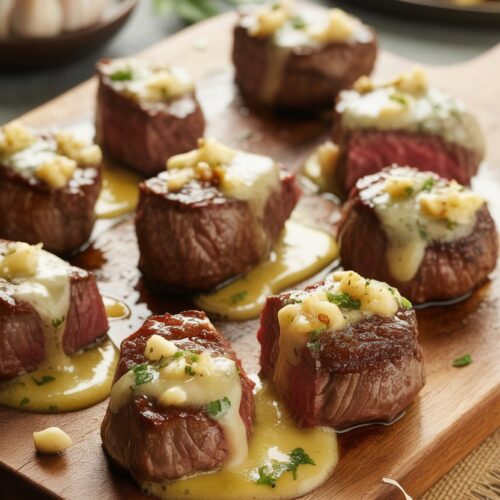
Garlic Butter Steak Bites
Equipment
- 1 Cast iron skillet For high-heat searing and even cooking.
- 1 Tongs For flipping steak bites during cooking.
- 1 Measuring Cups/Spoons Ensures accurate portions of seasonings and liquids.
- 1 Knife For chopping garlic and optional herbs like parsley or thyme.
- 1 Cutting Board Provides a safe surface for prep work.
Ingredients
- 1½ lbs Steak (sirloin, ribeye, or strip steak) Cut into 1-inch cubes; choose based on desired tenderness and flavor.
- 3 tbsp Unsalted butter Adds richness and creates the garlic butter sauce.
- 4 cloves Garlic (minced) Fresh garlic for robust flavor.
- Salt To taste – Season generously to enhance flavor.
- Pepper To taste – Freshly ground for better flavor.
- Optional – Red pepper flakes For a spicy kick.
- Optional – Fresh parsley (chopped) For garnish and added freshness.
- Optional – Lemon juice A squeeze for brightness before serving.
Instructions
Step-by-Step Recipe
Prepare and Season the Steak:
- Trim excess fat from the steak and cut it into 1-inch cubes. Pat dry with paper towels to ensure proper browning.
- Season generously with salt and pepper. Optional: Add garlic powder or smoked paprika for extra depth.
Sear the Steak Bites:
- Preheat a cast iron skillet over medium-high heat until very hot. Add a small amount of oil with a high smoke point (e.g., canola or avocado oil).
- Place the steak cubes in a single layer, leaving space between each piece to prevent steaming. Sear for 2–3 minutes per side until golden brown and cooked to your desired doneness (internal temperature: 125°F for rare, 130°F for medium-rare). Remove and set aside.
Make the Garlic Butter Sauce:
- Reduce heat to medium. Add butter to the skillet, letting it melt and pick up the browned bits. Stir in minced garlic and cook for 30–60 seconds until fragrant. Avoid burning.
- Optional: Add red pepper flakes or fresh herbs like thyme or parsley for extra flavor.
Combine and Finish:
- Return the steak bites to the skillet and toss them in the garlic butter sauce until well-coated and warmed through, about 1–2 minutes.
- Garnish with chopped parsley and a squeeze of lemon juice if desired.
Serve Immediately:
- Serve the steak bites hot with mashed potatoes, rice, or roasted vegetables. For appetizers, use toothpicks for easy eating.
Notes
-
- Storage: Store leftovers in an airtight container in the fridge for up to 3 days. Reheat gently in a skillet with butter to maintain tenderness.
- Freezing: Freeze cooked steak bites for up to 2 months. Thaw overnight in the fridge before reheating.
- Healthier Option: Substitute half the butter with olive oil and serve with roasted vegetables or cauliflower rice for a lighter meal.
Frequently Asked Questions
-
What is the best cut of steak to use?
- Top sirloin is affordable and flavorful, while ribeye offers more marbling and juiciness. Strip steak provides a firmer texture.
-
How can you ensure steak bites are full of flavor?
- Use fresh garlic, season generously, and sear at high heat to lock in juices.
-
Which seasonings complement garlic butter steak bites?
- Coarse salt, black pepper, garlic powder, onion powder, and fresh parsley or thyme.
-
What are common mistakes to avoid?
- Overcrowding the pan, adding butter too early, and burning garlic.
-
Can garlic butter steak bites be made in an air fryer?
- Yes, cook seasoned steak bites at 400°F for 6–8 minutes, shaking halfway through. Toss in melted garlic butter after cooking.
-
What sides pair well with this dish?
- Mashed potatoes, roasted vegetables, rice, pasta, or a crisp salad.
Tips & Tricks
- Flavor Enhancement: Add a splash of Worcestershire sauce or a pinch of smoked paprika to the garlic butter sauce for extra depth.
- Presentation: Garnish with chopped parsley or grated Parmesan cheese for added color and flavor.
- Leftovers: Use leftover steak bites in wraps, sandwiches, or over a bed of greens for a quick lunch.
Plating and Garnishing
- Garnish: Sprinkle chopped parsley or grated Parmesan for added freshness and visual appeal.
- Serving Style: Arrange steak bites neatly on a plate or bowl, drizzle with extra garlic butter sauce, and serve alongside mashed potatoes, rice, or roasted vegetables.
- Sides: Pair with steamed broccoli, roasted Brussels sprouts, or a crisp green salad for balance.