Slow Cooked Beef Chili with Beans: The Ultimate Guide
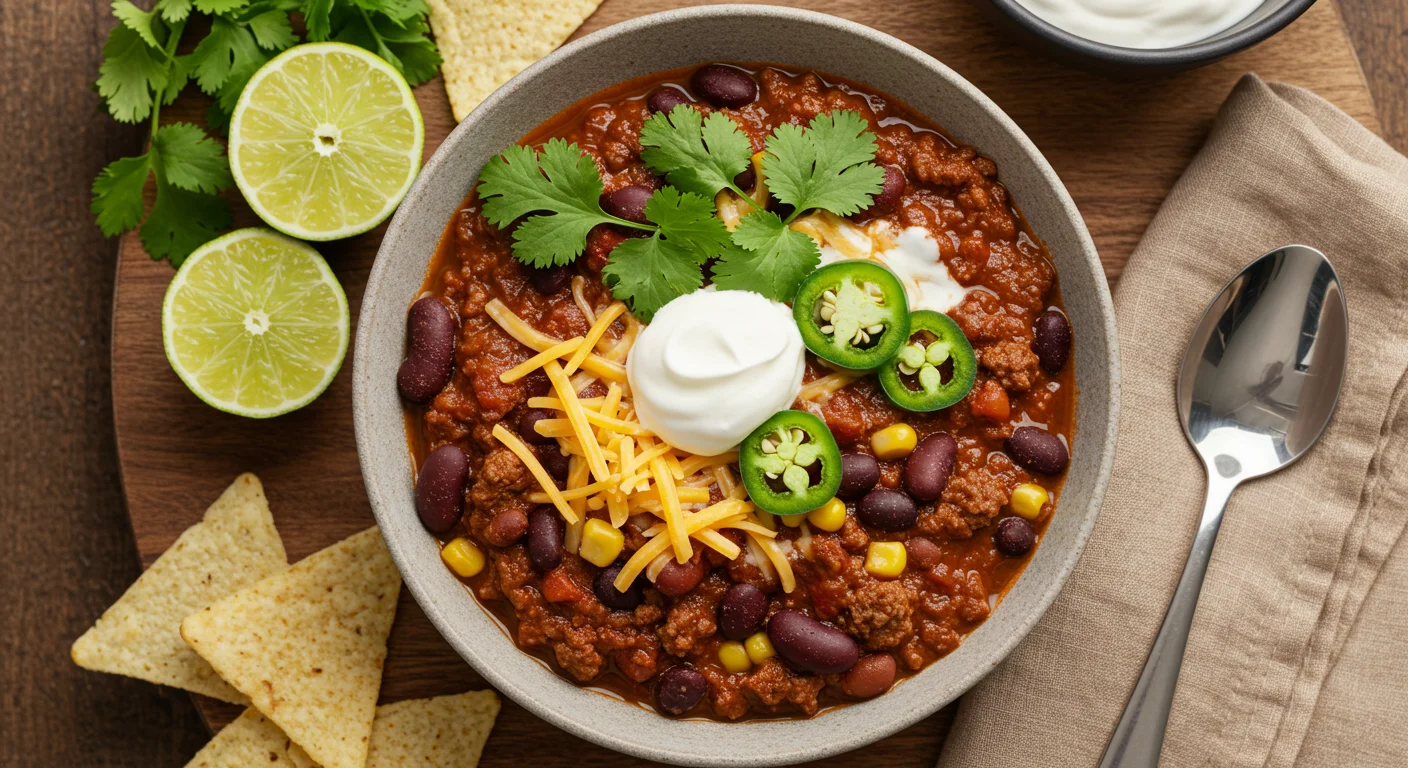
Slow-cooked beef chili with beans combines simple ingredients and steady heat to create a hearty, balanced meal. The long cooking time allows the beef to become tender while the beans soak up layers of flavor from spices, tomatoes, and aromatics.
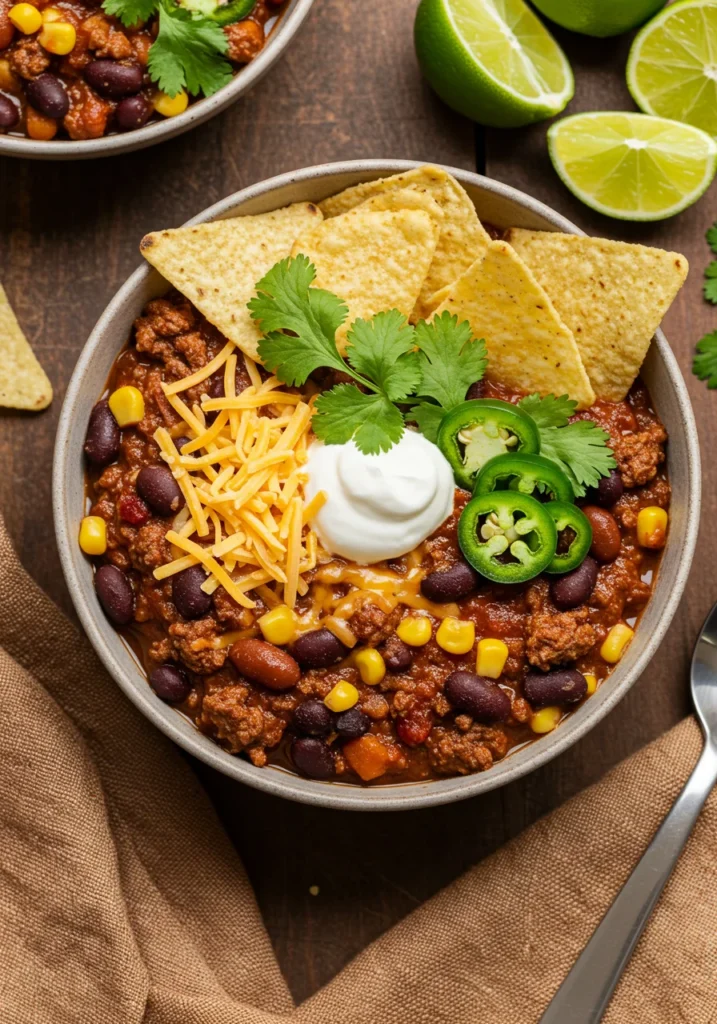
What makes this dish stand out is its flexibility. It can be served plain for a straightforward bowl of comfort or topped with extras like onions, cheese, or cilantro for added texture and taste.
Because it freezes and reheats well, it also works as a make-ahead option for busy days. With a short list of ingredients, a slow cooker, and a few hours of patience, anyone can create a satisfying chili.
This makes it a reliable choice for weeknight dinners, gatherings, or meal prep.
What Makes Slow Cooked Beef Chili with Beans Unique?

Slow cooker beef and bean chili stands out because of the way slow heat develops flavor. The balance of spices with hearty ingredients and the rich mix of beef and beans makes it both filling and nutritious.
Each part of the cooking process plays a role in creating a dish that is simple yet satisfying.
Benefits of Slow Cooking Chili
Cooking chili in a slow cooker allows flavors to blend over several hours. Spices like cumin, paprika, and chili powder gradually release their depth, while tomatoes and broth reduce into a thicker base.
This long simmering process creates a richer taste compared to quick stovetop versions. The slow cooker also makes preparation more convenient.
Once the meat and vegetables are browned and added to the pot, the rest of the cooking requires little attention. This makes it a practical option for busy days, since the chili can cook while other tasks are handled.
Another benefit is texture. Beans soften without breaking apart, and beef becomes tender but still holds its shape.
Classic Flavor Profile and Texture
Slow cooker chili often features a balance of smoky, savory, and slightly sweet notes. Fire-roasted tomatoes, garlic, and onions provide a strong base, while spices like cumin and chili powder add warmth.
Some recipes use cocoa powder or cinnamon for a subtle depth that enhances the natural flavors. The texture is equally important.
A good slow cooker beef and bean chili should be thick enough to coat a spoon but not dry. The long cooking process reduces excess liquid, giving the dish a concentrated consistency.
This style of chili avoids being soupy while still maintaining moisture. It pairs well with toppings such as shredded cheese, diced onions, or avocado, which add contrast without overpowering the main flavors.
Beef and Bean Combination
The mix of beef and beans is what makes this chili hearty and filling. Ground beef provides protein and a savory base, while beans contribute both texture and fiber.
Common choices include kidney beans, black beans, and pinto beans, each adding slightly different flavors. This combination also balances nutrition.
Beef supplies iron and protein, while beans add plant-based nutrients and help stretch the recipe to serve more people. Using both makes the dish cost-effective without sacrificing substance.
Beef gives a tender bite, and beans add a creamy contrast. Together, they create a slow cooker beef and bean chili that feels complete and satisfying in every serving.
Essential Ingredients for Beef Chili with Beans
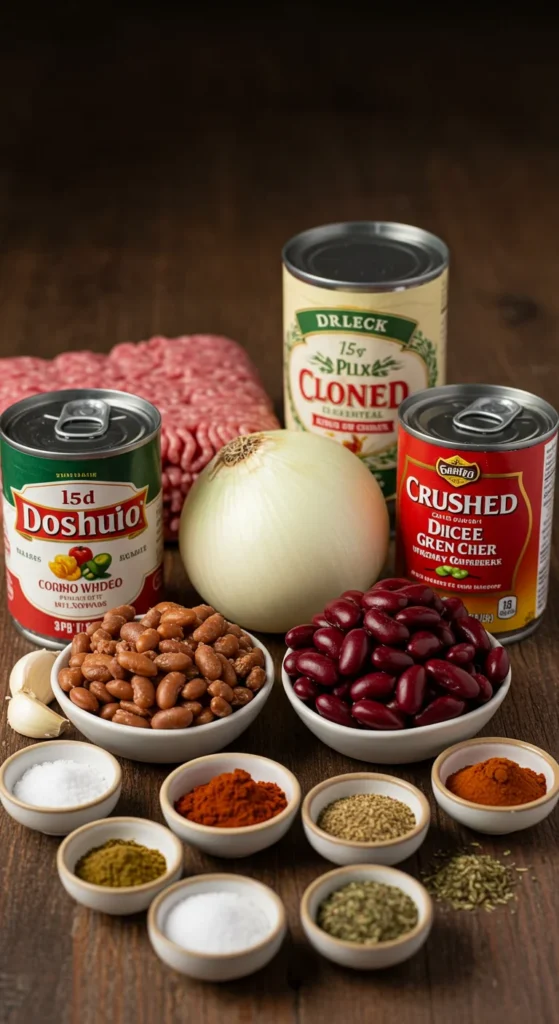
A good beef chili depends on the right mix of protein, beans, vegetables, and spices. Each element adds flavor, texture, and balance, making the dish hearty and satisfying.
Choosing the Best Beef Cuts
Ground beef is the most common choice because it cooks evenly and blends well with beans and spices. Many cooks prefer 80/20 ground beef since it has enough fat to keep the chili moist without being greasy.
Lean ground beef works too, but it may need extra seasoning or broth for depth. For a richer texture, some use short ribs or a mix of ground beef and diced chuck roast.
These cuts break down slowly, creating tender bites in long-cooked chili. Alternative proteins like bison provide a leaner option with a slightly sweet flavor.
Bison works well when paired with beans and bold spices, though it benefits from added moisture since it is lower in fat than beef.
Selecting and Preparing Beans
Beans add body and nutrition to chili, and different varieties bring unique flavors. Red kidney beans are classic because they hold their shape during long cooking.
Pinto beans give a softer texture and a mild, earthy taste. Black beans add color and a slightly denser bite.
Using a mix of beans creates variety in texture. Many recipes combine kidney beans with either pinto or black beans for balance.
Canned beans are convenient, but rinsing them removes excess sodium and starch. If using dried beans, they should be soaked overnight and cooked until tender before adding to the chili.
This prevents toughness and ensures even cooking in the slow cooker.
Key Vegetables and Aromatics
Vegetables and aromatics build the base flavor of chili. Yellow onion or regular onion provides sweetness as it cooks down.
Garlic cloves add sharpness and depth, especially when sautéed before going into the slow cooker. Bell peppers bring mild sweetness and color, while jalapeños contribute gentle heat.
For spicier chili, diced jalapeños with seeds left in will increase the kick. Removing the seeds reduces sharpness while keeping the flavor.
Cooking the onion, garlic, and peppers with the beef before transferring to the slow cooker helps release their natural sugars. This prevents raw, harsh flavors in the finished dish.
Signature Spices and Seasonings
Spices give chili its distinct character. Chili powder forms the base, adding warmth and color.
Ground cumin brings an earthy, nutty note, while smoked paprika adds a mild smokiness. Dried oregano provides a subtle herbal flavor that balances the richness of the beef.
Some cooks add a small amount of ground cinnamon for depth. Cinnamon should be used sparingly, as too much can overwhelm the dish.
Salt and black pepper remain essential for seasoning. A pinch of casi or similar chili seasoning blends can be used for convenience, but adjusting individual spices allows for better control over taste.
Step-by-Step Guide to Making Slow Cooked Beef Chili
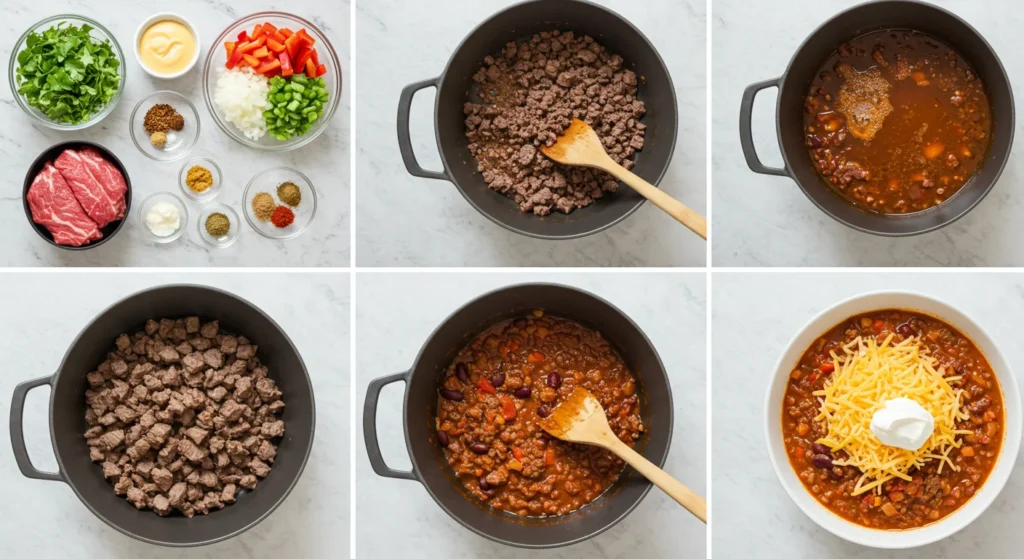
Making beef chili in a slow cooker starts with preparing the meat and vegetables properly. Building layers of flavor with spices and liquids is key.
Careful attention to cooking times ensures tender beef, well-balanced spices, and beans that hold their texture.
Preparation and Browning Techniques
Good chili begins with properly browning the beef. Ground beef works well, but stew meat or a mix of both adds variety in texture.
Heating a skillet with olive oil before adding the meat helps achieve a rich sear that locks in flavor. Onions, garlic, and bell peppers should also be sautéed before going into the slow cooker.
Cooking these aromatics in the same pan as the beef allows them to pick up browned bits from the bottom, which adds depth. Draining excess fat after browning keeps the chili from becoming greasy.
At this stage, the meat and vegetables are ready to be transferred into the slow cooker. This extra step of browning takes only a few minutes but makes the final dish more flavorful and balanced.
Layering Flavors in the Slow Cooker
Once the meat and vegetables are in the slow cooker, spices should be added directly to the mixture. Common choices include chili powder, cumin, oregano, and black pepper.
Toasting the spices briefly in the skillet before transferring can bring out stronger flavors. Liquids are the next layer.
Diced tomatoes, tomato sauce, and broth provide both moisture and richness. Beef broth is the most common choice, but chicken broth can be used for a lighter taste.
Some cooks add beer for a subtle malty flavor that complements the spices. Beans should be added after rinsing and draining.
Kidney beans, black beans, or pinto beans all work well, and mixing types creates variety in texture. Once all ingredients are combined, stir evenly to ensure the flavors distribute throughout the pot.
Cooking Times and Temperature Settings
Slow cookers allow flexibility in timing. Cooking on low heat for 6–8 hours produces tender beef and well-developed flavor.
For a quicker option, cooking on high heat for 4 hours still gives good results, though the flavors may be slightly less blended. After the cooking time ends, switching the slow cooker to the warm setting keeps the chili hot without overcooking.
This is useful when serving a crowd or preparing the dish ahead of time. Leftover chili can be stored in the refrigerator for up to three days or frozen for several months.
Reheating slowly on the stove with a splash of broth keeps the texture smooth and prevents the beans from breaking down.
Customizing Your Chili
Chili can be adapted to fit different tastes and diets by changing the protein, adjusting the beans, or tweaking the spices. Small changes in ingredients like tomatoes, chiles, or seasoning blends can shift the flavor and texture without losing the hearty comfort of the dish.
Bean and Meat Variations
The choice of beans and meat has the biggest effect on texture and richness. Kidney beans and pinto beans are common, but black beans or cannellini beans also work well.
Using a mix of two bean types creates more depth. Ground beef is traditional, but leaner ground turkey makes a lighter turkey chili that still feels filling.
Some cooks also use beef stew meat for a chunkier texture. Pork or chicken adds a different flavor, though it may require extra seasoning to balance with tomato sauce or diced tomatoes.
For cooks who want more control, beans can be cooked from dry instead of canned. This allows adjustments in salt and firmness.
Whether canned or dried, beans should be rinsed before adding to the slow cooker to avoid excess starch or sodium.
Vegetarian and Low-Carb Options
A bean chili without meat is a simple vegetarian option. It gains flavor from layering ingredients like onion, garlic, and green chiles.
Crushed tomatoes or tomato sauce provide the base, while a mix of beans ensures the dish stays hearty. For a low-carb version, beans can be reduced or replaced.
Diced zucchini, bell peppers, or cauliflower give bulk without adding starch. Some people also add mushrooms for a meaty texture.
Vegetarian chili can also benefit from small flavor boosters. A teaspoon of unsweetened cocoa powder or a splash of soy sauce deepens the taste and balances the acidity of tomatoes.
These additions make up for the richness usually provided by meat.
Adjusting Heat and Flavor
The level of spice depends on the type of chiles and seasonings used. Mild chili powder and canned green chiles keep the dish approachable, while fresh jalapeños or cayenne pepper raise the heat.
Using smoked paprika or chipotle powder adds a smoky flavor without extra spice. Tomato products also affect taste.
Diced tomatoes give texture, while crushed tomatoes or tomato sauce create a smoother base. Combining them balances chunkiness with body.
Seasonings can be layered at different stages. Salt should be added gradually, and spices like cumin or oregano can be adjusted before serving.
Toppings such as sour cream or shredded cheese allow each person to control final heat and richness at the table.
Serving Suggestions and Toppings
A bowl of slow cooked beef chili with beans can be customized in many ways. Small changes in toppings or sides can shift the flavor, texture, and presentation, making each serving feel different while still keeping the meal simple and hearty.
Classic Chili Toppings
Toppings add both flavor and balance. Sour cream cools the heat of the spices and adds creaminess.
Shredded cheese such as cheddar or Monterey Jack melts into the chili, giving it a rich texture. Fresh ingredients provide contrast.
Chopped green onion adds a mild bite, while fresh cilantro or parsley brings brightness. For crunch, tortilla chips or corn chips can be served on the side or crumbled on top.
Some prefer layering toppings for variety. A spoonful of sour cream, a sprinkle of cheese, and a handful of chips create a balanced mix of creamy, salty, and crunchy elements.
Offering toppings buffet-style lets each person adjust the chili to their own taste.
Side Dishes and Pairings
The right side dish can complete the meal. Cornbread is a classic choice, its slightly sweet flavor pairing well with the spice of chili.
It can be served plain, with butter, or with honey for added sweetness. Rice provides a neutral base, helping stretch the chili further and absorb the sauce.
Both white and brown rice work well. For lighter options, a simple green salad with vinaigrette offers freshness and balance.
Crunchy sides are also popular. Tortilla chips or corn chips can be used for dipping or scooping, making the meal more interactive.
For gatherings, a chili bar with a basket of chips, cornbread slices, and small bowls of toppings creates an easy way to serve groups.
Storing, Freezing, and Reheating Tips
Proper storage keeps chili safe to eat. Freezing extends its shelf life, and reheating the right way helps preserve its flavor and texture.
Best Practices for Storage
Chili with beans should be cooled before refrigeration. Let it sit until it reaches room temperature, but no longer than two hours.
This helps reduce bacterial growth. Store chili in airtight containers made of glass or plastic.
Shallow containers work best because they cool food faster and evenly. Label each container with the date to track freshness.
Refrigerated chili usually stays safe for 3 to 4 days at 40°F (4°C) or below. Always check for changes in smell, color, or texture before eating.
If chili develops a sour odor or slimy surface, it should be discarded. Keeping chili on the bottom shelf of the refrigerator, where temperatures remain most stable, helps maintain quality.
Dividing a large batch into smaller containers also makes reheating quicker and safer.
Freezing and Reheating Chili
Freezing chili extends its shelf life for several months. For best results, portion chili into freezer-safe bags or containers, leaving some space at the top for expansion.
Removing excess air helps prevent freezer burn. Chili can be frozen for 3 to 4 months without major changes in flavor.
When ready to use, thaw it in the refrigerator overnight. For faster thawing, submerge a sealed bag in cold water, changing the water every 30 minutes.
Reheat chili until it reaches an internal temperature of 165°F (74°C). Use a food thermometer to ensure even heating, especially with large portions.
Stovetop reheating often gives better results than the microwave, as it keeps the texture consistent and avoids cold spots. Avoid reheating chili in a slow cooker, since it warms food too slowly and may not keep it at a safe temperature.
Creative Uses for Leftovers
Leftover chili with beans can be turned into several easy meals. It works well as a topping for baked potatoes, nachos, or even hot dogs.
These options add variety without requiring extra cooking. It can also be mixed with cooked pasta or rice for a quick casserole.
Adding shredded cheese and baking until bubbly creates a hearty dish. For lighter meals, chili can serve as a filling for stuffed peppers or be spooned over roasted vegetables.
Each option makes use of the same base recipe while keeping meals different throughout the week. Freezing smaller portions also allows quick single servings, which can be paired with bread or salad for simple lunches.
Frequently Asked Questions
What are the essential spices for a classic slow cooker beef chili?
Chili powder, cumin, and paprika form the base of most beef chili recipes. Oregano, garlic powder, and cayenne pepper are often added for depth and heat.
Using fresh or high-quality spices helps the flavors stand out after long cooking.
How long should beef chili with beans be cooked in a slow cooker for optimal flavor?
Cooking on low heat for 7–8 hours allows the beef to become tender and the flavors to blend. On high heat, 3–4 hours is usually enough, though the texture may not be as rich.
Can you suggest a simple 5-ingredient recipe for slow cooker beef chili?
Yes. Combine ground beef, canned kidney beans, diced tomatoes, chili powder, and onion.
Brown the beef first, then place everything in the slow cooker. Cook on low for 6–7 hours or on high for 3–4 hours.
What are some unique ingredients to include in a slow cooker beef chili to enhance its taste?
A small amount of unsweetened cocoa powder can deepen flavor. Beer, coffee, or Worcestershire sauce add richness.
Smoked paprika, chipotle peppers, or fire-roasted tomatoes can bring a smoky edge.
How can I adapt a beef chili recipe for a slow cooker if it was originally designed for stovetop cooking?
Brown the meat and sauté aromatics like onion and garlic before transferring to the slow cooker. Reduce the liquid slightly since less evaporates in slow cooking.
Keep the same spices and beans but allow more time for flavors to develop.
What’s the secret to achieving the perfect consistency for slow cooker beef chili with beans?
If the chili is too thin, remove the lid during the last 30–45 minutes to let liquid reduce.
For a thicker texture, mash some of the beans into the chili.
Using less broth or liquid at the start also helps maintain a hearty consistency.