Soft Peanut Butter Cookies: The Best Guide to Chewy Perfection
Soft peanut butter cookies offer a perfect balance of softness and chewiness that many home bakers aim to achieve. The key to making soft peanut butter cookies is using the right size of dough balls, not overbaking, and including ingredients like real butter and peanut butter that keep the texture tender.
This approach ensures the cookies stay soft on the inside while maintaining a slight crisp on the edges. These cookies are simple to make with pantry staples and don’t require chilling the dough, which saves time.
Watching the baking process closely and removing the cookies from the oven as soon as they start to crack on top prevents them from turning hard or crumbly. Soft peanut butter cookies can be enjoyed on their own or used in creative desserts like ice cream sandwiches or pie crusts.
What Makes Soft Peanut Butter Cookies Unique
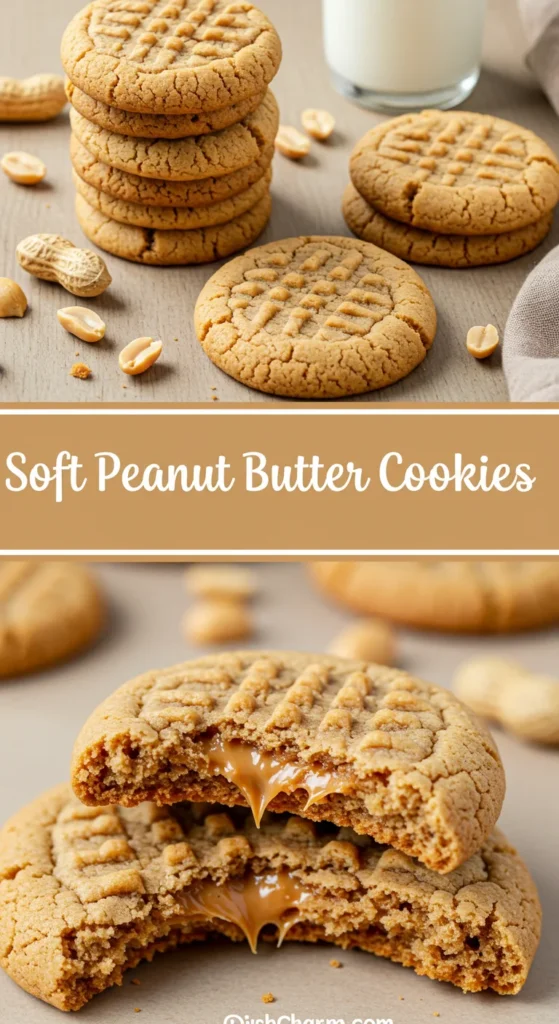
Soft peanut butter cookies stand out because of their tender texture and rich peanut flavor. These cookies balance moisture and structure to create a bite that is gentle yet flavorful.
Key differences in ingredients and baking methods give them a distinct softness compared to other types.
Difference Between Soft and Chewy Peanut Butter Cookies
Soft and chewy peanut butter cookies vary mainly in their texture. Soft cookies have a delicate, tender crumb that almost melts in the mouth.
Chewy cookies, by contrast, have more density and elasticity, offering a firmer bite. Chewy cookies often use ingredients like granulated sugar and sometimes more peanut butter, which contribute to their thicker, stickier feel.
Soft cookies rely more on moisture-retaining ingredients and careful baking times to avoid dryness or hardness. Baking time is critical—removing soft cookies from the oven just before firming allows them to stay moist inside.
Key Ingredients for Softness
Certain ingredients help create softness in peanut butter cookies. Brown sugar is a key component because it contains molasses, which locks in moisture and keeps the cookie tender.
Using creamy peanut butter rather than chunky provides a smooth texture that blends evenly with the dough. It also helps the cookies hold moisture better.
Other helpful ingredients include cake flour, which has less protein and produces softer cookies, and small amounts of honey or corn syrup to increase moisture content. Avoiding overbaking is also crucial since soft cookies dry out quickly.
Using room temperature butter and peanut butter ensures proper mixing for an even and tender dough.
Texture and Flavor Profiles
Soft peanut butter cookies have a thin, slightly crisp edge with a soft, moist center. Their texture is light and airy compared to chewy variations, which feel denser and more substantial.
The flavor in soft cookies is rich and nutty from peanut butter but balanced by the sweetness and caramel notes of brown sugar. This sugar also helps create a deeper browning on the cookie’s surface.
The blending of creamy peanut butter with brown sugar gives a distinct smoothness and mild caramel flavor. Soft cookies feel delicate in the mouth but still deliver the classic peanut butter taste expected in this treat.
Essential Ingredients and Tools
Soft peanut butter cookies depend on specific ingredients and tools that affect their texture and flavor. The choice of peanut butter, the balance of sugars and butter, and the right mixing equipment all contribute to making the cookies tender, chewy, and full of peanut flavor.
Choosing the Right Peanut Butter
Creamy peanut butter is the best choice for soft peanut butter cookies. It blends smoothly into the dough, giving the cookies a consistent texture.
Crunchy peanut butter can make the cookies crumbly and dry because the nut pieces interrupt the batter. Both processed peanut butter brands (like Jif or Skippy) and natural peanut butter work well.
Processed peanut butter tends to produce a firmer, less crumbly cookie, while natural peanut butter can make the cookie spread more and feel sandier. Using room temperature peanut butter helps it mix in evenly and keeps the dough soft for rolling and shaping.
The Role of Brown Sugar and Unsalted Butter
Brown sugar is critical for softness and moisture. It contains molasses, which adds a slight chewiness and rich flavor.
Using more brown sugar than white sugar helps the cookie stay moist and thick. Unsalted butter gives control over the salt content and ensures the cookie dough is creamy.
Softened unsalted butter creams easily with sugar, trapping air that helps the dough rise and develop a tender crumb. The butter’s fat also enriches the flavor, contributing to the classic peanut butter cookie taste.
Recommended Mixing Tools
A stand mixer with a paddle attachment or a hand mixer is essential for creaming butter and sugar properly. Creaming these together creates a smooth base that helps the cookie dough become fluffy, which leads to soft, thick cookies.
Mixing on medium or medium-high speed lets the butter and sugar combine well without overheating or breaking the dough. A silicone spatula is handy for scraping the bowl to ensure all ingredients are mixed evenly.
Using these tools correctly makes the dough easier to handle and improves the final texture of the peanut butter cookies.
Step-by-Step Soft Peanut Butter Cookie Recipe
The process begins with a careful balance of ingredients and technique to create soft, thick peanut butter cookies. Attention to mixing, chilling, and baking temperature ensures the right texture.
Small details like sugar types and dough handling affect chewiness and moisture, while avoiding dryness or crumbliness.
Preparing the Dough
Start by whisking together all-purpose flour, baking soda, and salt. This ensures even distribution of leavening agents.
In a separate bowl, cream softened unsalted butter with brown sugar and a smaller amount of granulated sugar using a mixer until smooth and fluffy. Add an egg, then creamy peanut butter and vanilla extract.
Beat everything well for full incorporation. Slowly mix in the dry ingredients on low speed.
The dough will be very soft and creamy. Cover and chill in the refrigerator for at least 1–2 hours.
This step firms up the dough and prevents spreading during baking.
Baking Techniques for Softness
Preheat the oven to 350°F (177°C). Line baking sheets with parchment paper or silicone mats.
Roll chilled dough into 1 tablespoon-sized balls and coat them in granulated sugar. This creates a lightly crunchy outside while keeping the inside soft.
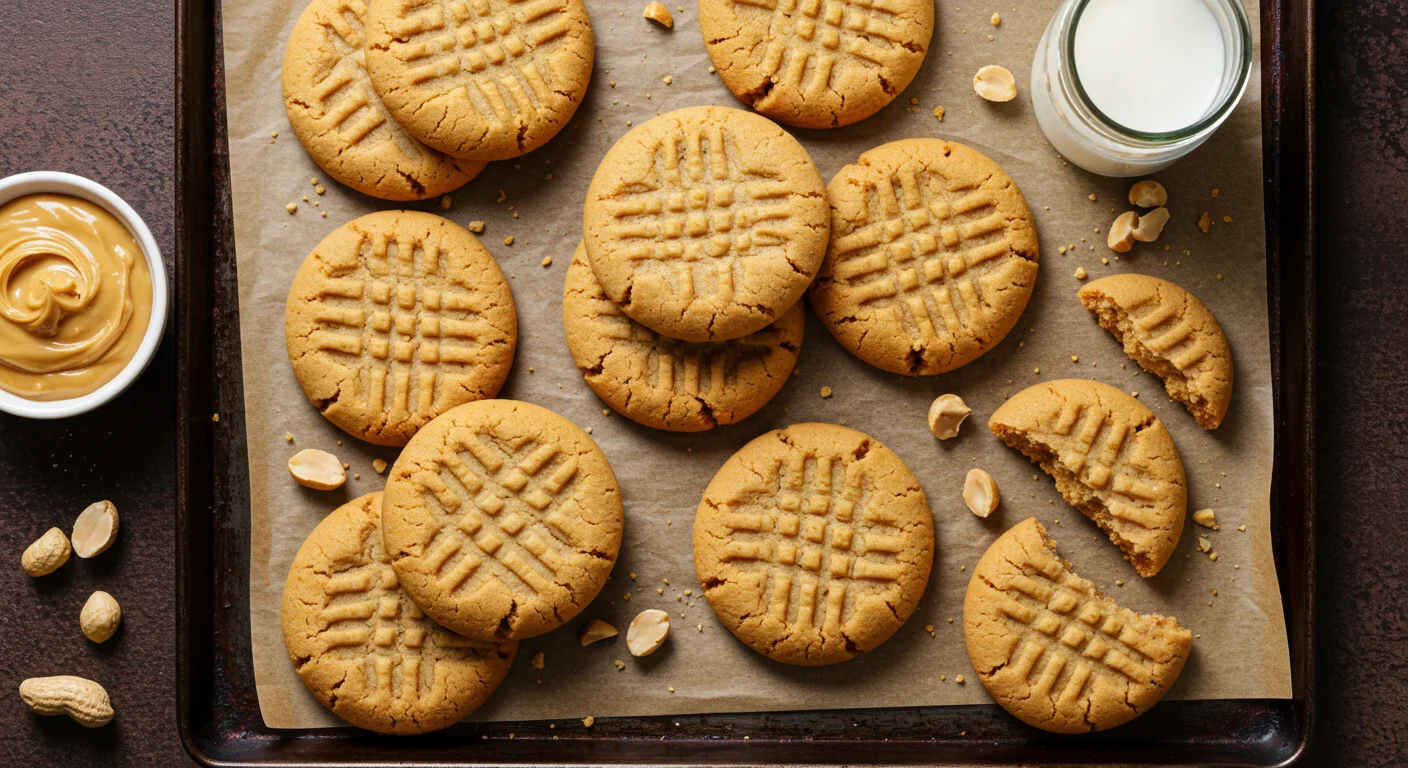
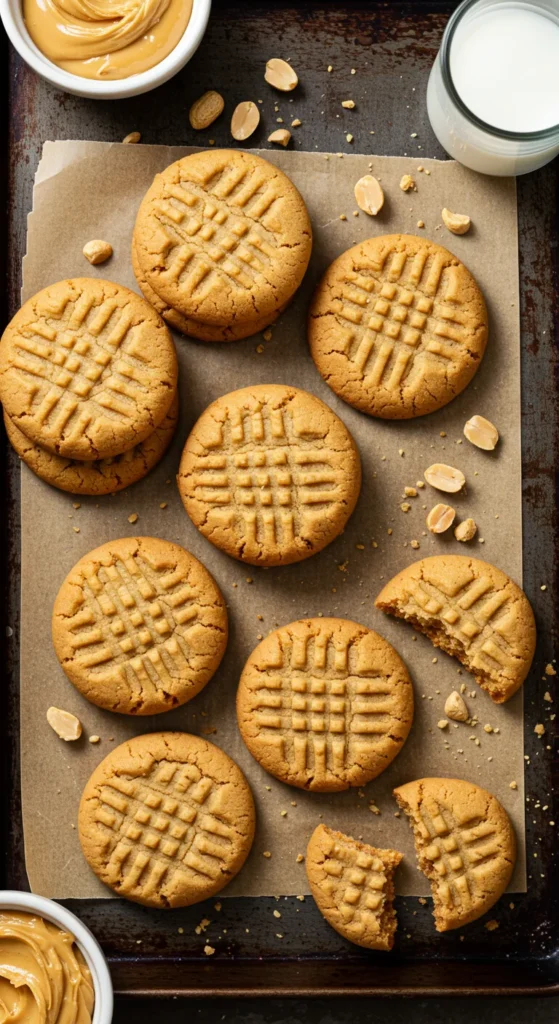
Use a fork to press a criss-cross pattern on top. After that, gently reshape each cookie ball to be thicker rather than flat.
Bake for 11-12 minutes until edges look set but centers remain soft. Let cookies cool on the baking sheet for 5 minutes before moving to a wire rack.
This allows residual heat to finish baking without drying them out.
Tips for Achieving Chewy Centers
Use more brown sugar than white sugar in the dough. Brown sugar adds moisture, leading to a soft, chewy center.
Using creamy peanut butter also helps maintain tenderness. Avoid crunchy peanut butter, which can make cookies crumbly.
Chilling dough is key to controlling spread and texture. If possible, chill dough overnight.
Bake cookies just until edges are set but centers look slightly underbaked. Residual heat will finish cooking them without hardening the middle.
Avoid overbaking, which causes dryness.
How to Avoid Dry or Crumby Cookies
Do not add extra flour; too much dries out cookies. Peanut butter acts as a binder and adds moisture, so less flour keeps the dough soft.
Stick to the ingredient amounts carefully. Cream the butter and sugars thoroughly to trap air and create a tender crumb.
Use unsalted butter at room temperature to control salt content and texture. Bake at the correct temperature and time to prevent overcooking.
Cooling cookies on the baking sheet before transferring reduces breakage. If using natural peanut butter, expect a slightly crumblier texture but still good flavor.
Adjust chilling and baking time as needed to maintain softness.
Creative Variations and Serving Ideas
Soft peanut butter cookies can be customized in many ways to suit different tastes and occasions. From adding mix-ins to creative serving ideas, these cookies offer plenty of options for variety and convenience.
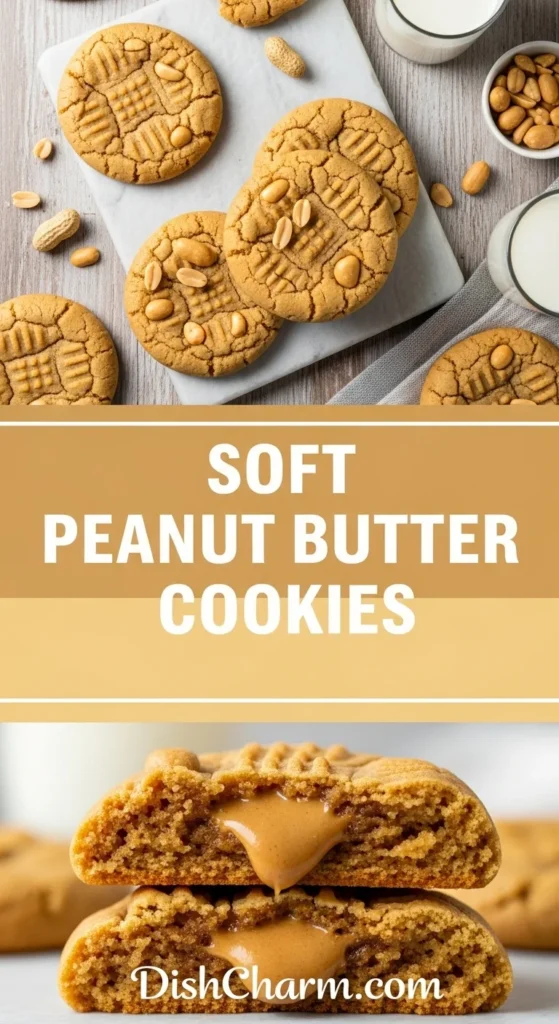
Adding Chocolate Chips and Mix-Ins
Chocolate chips are a popular addition to soft peanut butter cookies. They add bursts of sweetness and a gooey texture that contrasts well with the cookie’s tender chewiness.
For more texture, crushed peanuts or chopped nuts can be mixed in, enhancing the nutty flavor. Other mix-ins include oats for added chew, or a swirl of melted chocolate on top for a decorative finish.
Chunky peanut butter can replace smooth for extra crunch inside the cookie. These variations keep the core flavor of the peanut butter cookie while giving it a fresh twist.
Storing and Freezing Options
To keep soft peanut butter cookies fresh, store them in an airtight container at room temperature. They generally stay soft for up to a week this way.
For longer storage, freezing is effective. Cookies can be frozen either baked or as dough balls.
If freezing dough, shape the cookies first, then freeze on a tray before transferring to a freezer bag. This method makes it easy to bake fresh cookies anytime.
When ready, bake directly from frozen, adding a couple of extra minutes to the baking time.
Serving Suggestions for Different Occasions
Soft peanut butter cookies work well for many occasions. For casual snacks, serve them plain or with a glass of milk.
For parties or holidays, dip cookies halfway in melted chocolate or sandwich them with peanut butter or chocolate-based fillings. For packed lunches or on-the-go snacks, individual cookies wrapped in parchment keep well and are mess-free.
In a dessert spread, arrange cookies with fresh fruit or serve alongside ice cream for variety and added sweetness.
Frequently Asked Questions
What makes a peanut butter cookie soft and chewy?
Softness comes from moisture in the dough and how it is baked. Using ingredients like brown sugar, honey, or corn syrup helps keep cookies moist.
Baking just until the edges turn golden, then removing them promptly, preserves their chewiness.
What are the key ingredients for a classic peanut butter cookie recipe?
A typical recipe includes peanut butter, sugar (often a mix of white and brown), butter, flour, eggs, and baking soda or powder. Brown sugar adds moisture, while baking powder can help create a softer, fluffier texture.
How can I ensure my peanut butter cookies aren’t too dry?
Avoid overbaking by watching the time closely and removing cookies when edges are lightly golden. Using room temperature ingredients allows them to blend properly, which improves texture.
Adding a bit of honey or molasses also helps keep the dough moist.
Is it possible to make flavorful peanut butter cookies with just three ingredients?
Yes. A simple version uses peanut butter, sugar, and an egg.
This creates an easy and flavorful cookie but may not be as soft or chewy as recipes with additional ingredients like butter or baking powder.
What steps should I follow to get the best texture in my peanut butter cookies?
First, use room temperature ingredients for even mixing. Avoid overmixing to prevent gluten development, which can make cookies tough.
Chill the dough before baking to limit spreading and bake until edges are just golden.
Are there any tips for keeping peanut butter cookies soft after baking?
Store cookies in airtight containers at room temperature. Avoid refrigeration unless keeping for several days.
Adding a slice of white bread inside the container can help retain moisture.
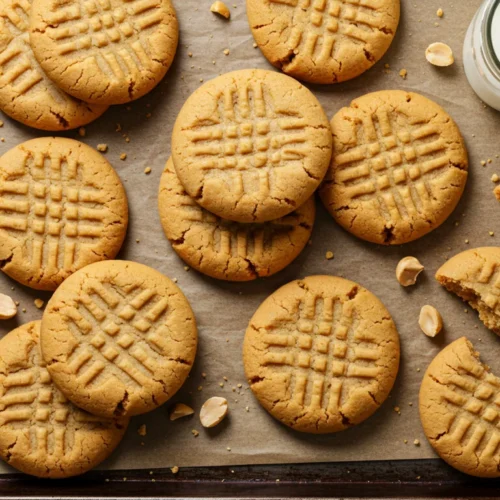
Soft Peanut Butter Cookies
Equipment
- 1 Stand Mixer or Hand Mixer For creaming butter, sugar, and peanut butter smoothly.
- 1 Mixing Bowls For dry and wet ingredients.
- 1 Whisk For blending dry ingredients evenly.
- 1 Silicone spatula For scraping the bowl and handling dough.
- 1 Baking sheets Line with parchment paper or silicone mats to prevent sticking.
- 1 Fork For creating the classic criss-cross pattern on top of cookies.
Ingredients
- 1 ½ cups All-purpose flour Measured properly; avoid overpacking.
- 1 tsp Baking soda Leavening agent for soft texture.
- ½ tsp Salt Enhances the peanut butter flavor.
- ½ cup Unsalted butter (softened) Room temperature for easy mixing.
- ½ cup Granulated sugar Adds sweetness and structure.
- ¾ cup Brown sugar (packed) Contains molasses for moisture and chewiness.
- 1 large Egg Acts as a binder.
- 1 tsp Vanilla extract Enhances overall flavor.
- 1 cup Creamy peanut butter Jif or Skippy works well; avoid crunchy peanut butter for best results.