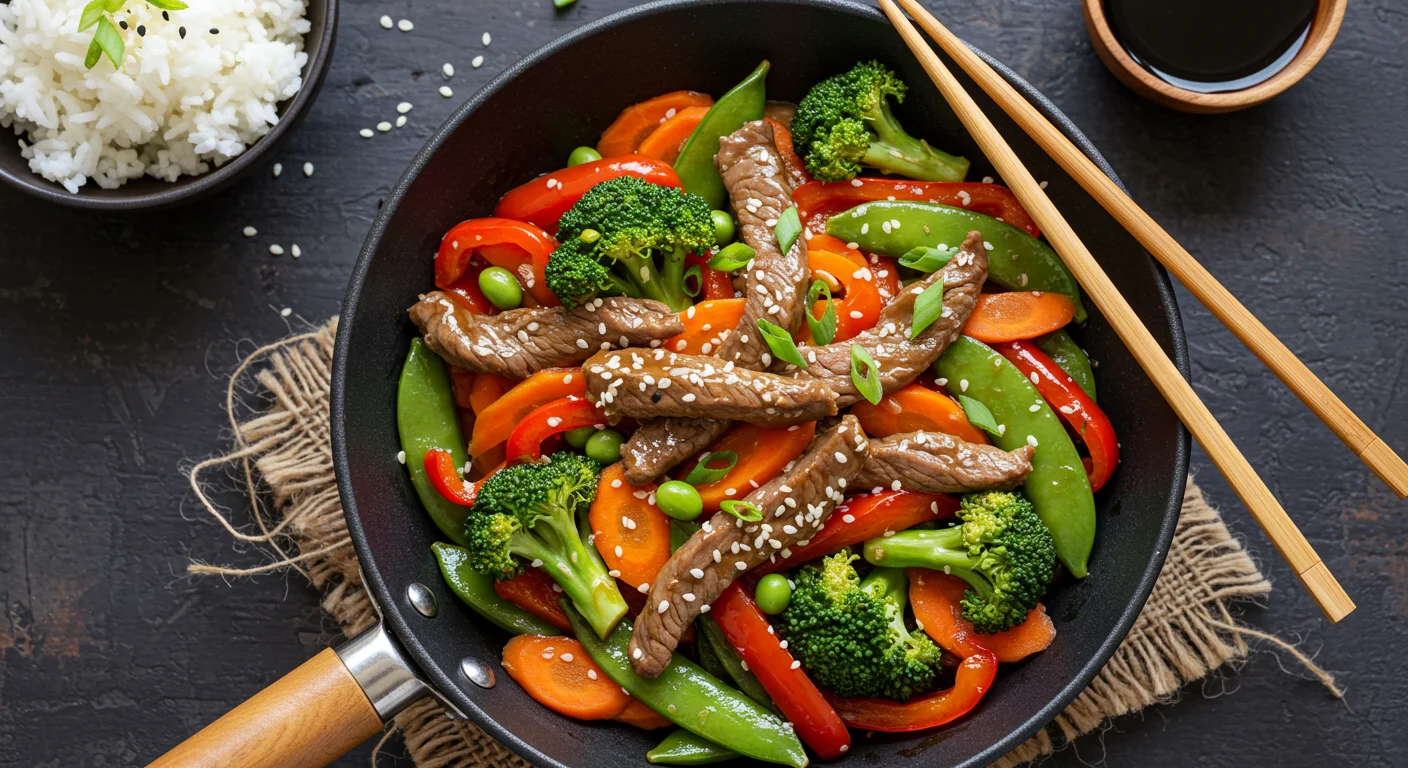
Beef and Vegetable Stir Fry: The Ultimate Guide to a Flavorful Meal
A beef and vegetable stir fry offers a quick, balanced meal that combines tender meat with crisp vegetables and a savory sauce.
It delivers a complete dish in under 30 minutes, making it a practical choice for busy weeknights.
With simple ingredients and straightforward steps, it fits into almost any schedule without sacrificing flavor.
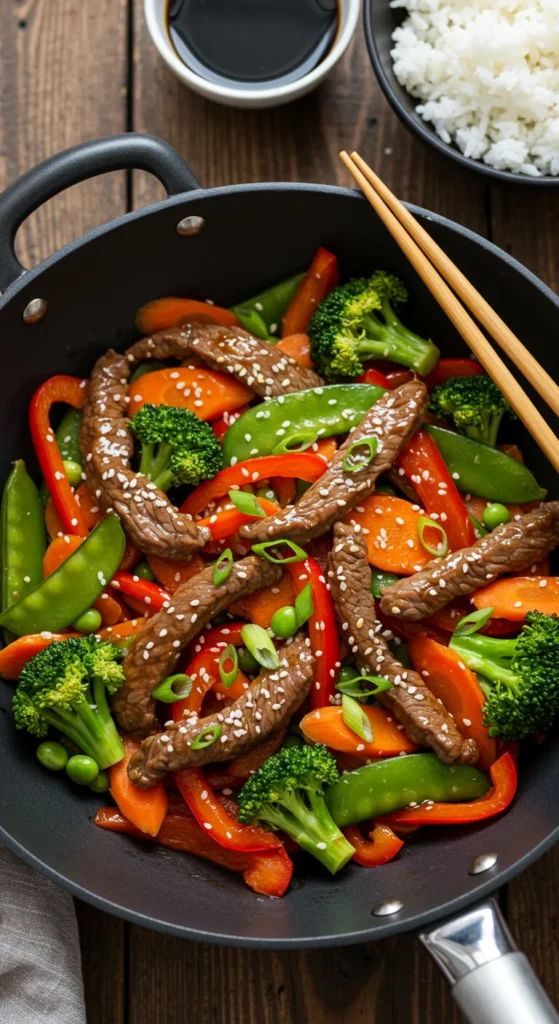
This dish works well because it adapts easily to what is on hand.
Bok choy, broccoli, snap peas, bell peppers, or carrots all pair well with thinly sliced beef, and the sauce can be adjusted for a lighter or richer taste.
By learning a few key techniques, anyone can achieve the right texture—beef that stays tender and vegetables that keep their crunch.
The following sections cover the essentials, from selecting the right cut of beef to building a sauce that coats every bite.
With clear steps, helpful tips, and serving ideas, the process becomes approachable and repeatable, whether for a single meal or planned leftovers.
Essential Ingredients for Beef and Vegetable Stir Fry

A balanced stir fry depends on tender beef, crisp vegetables, and a flavorful sauce.
The right cut of meat, a good mix of fresh or frozen produce, and a few pantry staples create a dish that cooks quickly and tastes satisfying.
Choosing the Best Cuts of Beef
Thin slices of beef cook fast and stay tender when seared over high heat.
Flank steak is one of the most popular options because it has good flavor and becomes tender when cut against the grain.
Flat iron steak also works well, offering a balance of tenderness and marbling.
When slicing, the beef should be cut into strips about 1/4 inch thick.
Cutting across the muscle fibers prevents toughness.
If the cut feels difficult to slice, placing it in the freezer for 20 minutes firms it up and makes cleaner cuts possible.
Marinating the beef is key.
A simple mix of soy sauce, cornstarch, and a small amount of oil helps lock in moisture and creates a velvet texture once cooked.
Some cooks also add Shaoxing wine for depth of flavor.
Selecting Fresh and Frozen Vegetables
Vegetables add both color and texture to a stir fry.
Common choices include broccoli, carrots, bell peppers, onions, mushrooms, and snow peas.
Bok choy and green onions provide freshness, while red onion or red bell pepper add sweetness.
Fresh vegetables usually hold their shape better, but frozen vegetables can be convenient.
Frozen mixed vegetables or stir fry blends save time and still deliver good results if cooked quickly over high heat.
It is best not to thaw them first, as this can make them soft and watery.
Cutting vegetables into uniform, bite-sized pieces ensures even cooking.
Harder vegetables like carrots and broccoli should go into the pan first, while softer ones like mushrooms and snow peas should be added later to avoid overcooking.
Key Sauce Components and Seasonings
The sauce ties everything together.
Soy sauce provides saltiness and umami, while oyster sauce adds richness.
A small amount of sesame oil gives a nutty aroma, and vegetable oil works best for high-heat cooking.
For balance, a sweetener such as brown sugar or dark brown sugar softens the salty flavors.
Fresh ginger and garlic bring sharp, aromatic notes that keep the dish from tasting flat.
To thicken the sauce, cornstarch mixed with water creates a light coating that clings to the beef and vegetables.
Optional additions like Shaoxing wine or a splash of rice vinegar can add complexity without overpowering the dish.
Step-by-Step Cooking Method
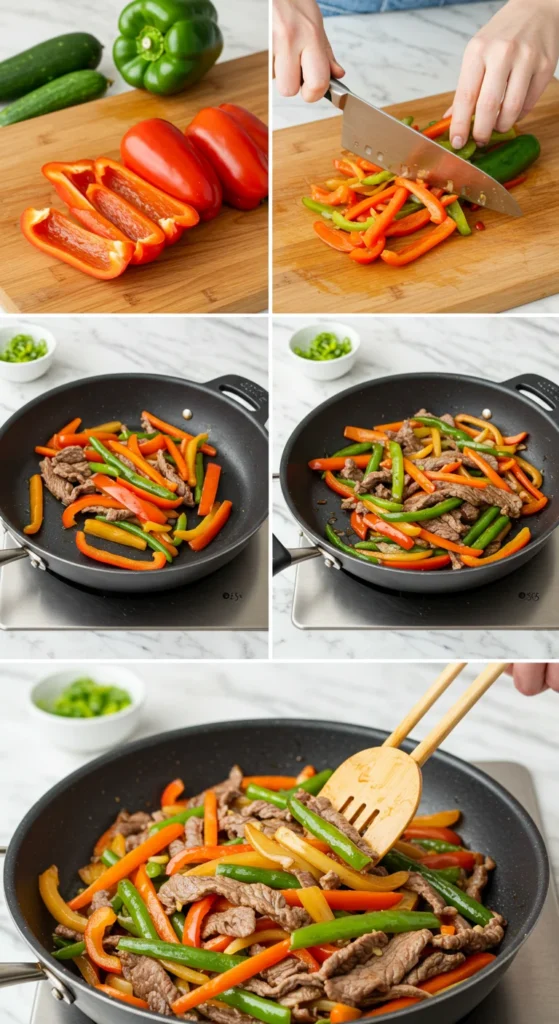
The process requires careful preparation, proper slicing of beef, high-heat cooking for vegetables, and a balanced sauce to bring everything together.
Each stage builds flavor and ensures the beef stays tender while the vegetables keep their crisp texture.
Preparation and Mise en Place
Good stir fry begins with organization.
Ingredients should be washed, dried, and cut before any heat is applied.
This prevents delays, since stir frying happens quickly over high heat.
Vegetables should be cut into uniform pieces so they cook evenly.
Harder items like carrots or broccoli florets should be sliced smaller, while softer vegetables such as bell peppers or zucchini can stay slightly larger.
Drying vegetables is important.
Excess water creates steam, which prevents searing and leads to soggy results.
A salad spinner or paper towel works well for this step.
It also helps to measure sauces and seasonings in advance.
A simple stir-fry sauce often includes soy sauce, oyster sauce, broth, and cornstarch.
Having the sauce whisked and ready ensures smooth cooking without pauses.
Marinating and Slicing the Beef
The cut of beef matters.
Flank steak, sirloin, or flat iron steak are common choices for beef stir-fry because they cook quickly and stay tender when sliced thin.
Beef should be partially frozen for 15–20 minutes before slicing.
This makes it firm and easier to cut into thin strips.
Always slice against the grain to shorten muscle fibers and improve tenderness.
A quick marinade improves both flavor and texture.
A common mixture includes soy sauce, Shaoxing wine or dry sherry, cornstarch, and sesame oil.
This coats the beef, helps it brown evenly, and prevents it from drying out during high-heat cooking.
Velveting, a technique using cornstarch and liquid, creates a protective coating.
After marinating for at least 15 minutes, the beef is ready for the wok or large skillet.
Stir Frying Vegetables and Aromatics
Cooking order matters when making a vegetable stir fry.
Hard vegetables like broccoli or carrots should go in first, followed by medium items such as onions, mushrooms, or bell peppers.
Leafy greens and aromatics like garlic and ginger are added last.
A wok is the traditional choice, but a large skillet works well if heated properly.
The pan should be very hot before adding oil.
Neutral, high-smoke-point oils such as grapeseed oil, canola oil, peanut oil, or avocado oil are best.
Avoid extra virgin olive oil, which burns at high heat.
Vegetables should be cooked in small batches if needed.
Overcrowding lowers the temperature and causes steaming instead of searing.
Stir constantly to prevent burning and to keep everything evenly cooked.
Combining and Finishing the Dish
Once the vegetables are crisp-tender, they can be removed from the pan.
The beef cooks quickly—usually just 2–3 minutes until browned but not overdone.
After searing, the cooked vegetables return to the pan.
At this point, the prepared stir-fry sauce is whisked and poured in.
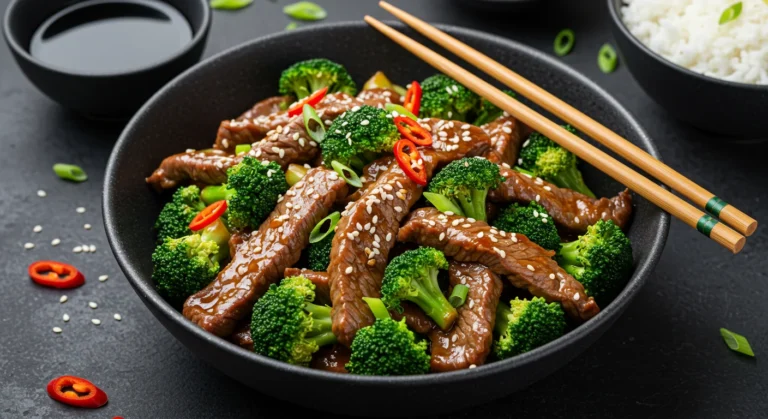
The cornstarch thickens the liquid into a glossy brown sauce that coats the beef and vegetables.
Everything should be tossed together for less than a minute so the sauce clings evenly.
The dish is then ready to serve over rice or noodles while still hot, with balanced flavors and textures in every bite.
Tips for Perfect Texture and Flavor
Good stir fry depends on cooking beef so it stays tender while keeping vegetables crisp, and making a sauce that coats evenly without becoming watery or too thick.
Attention to slicing, timing, and ingredient balance makes the biggest difference.
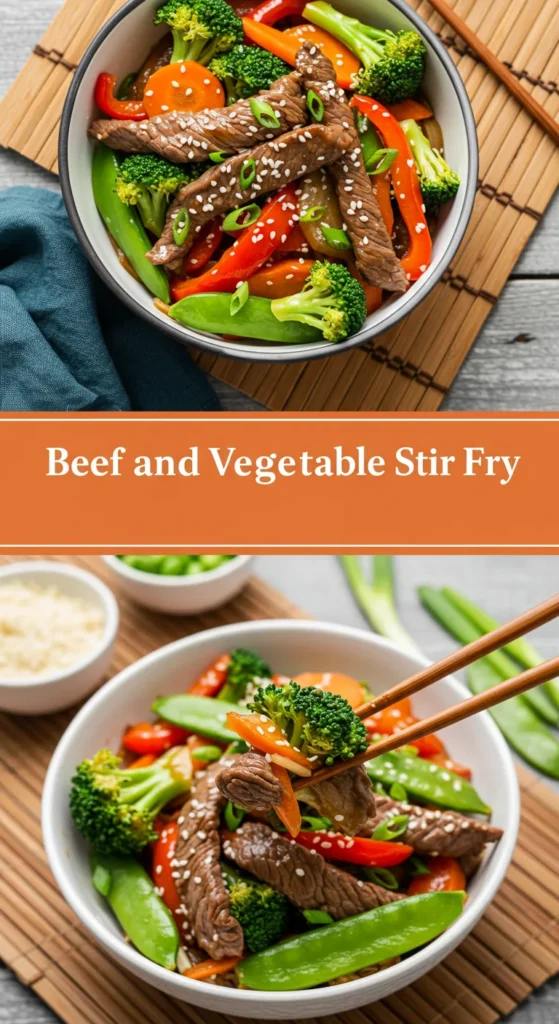
Balancing Tender Beef and Crisp Vegetables
Beef should be sliced thinly against the grain to shorten muscle fibers and keep each bite tender.
Partially freezing the meat for 15–20 minutes before cutting makes it easier to achieve uniform slices.
A quick marinade helps with flavor and texture.
A simple mix of soy sauce, cornstarch, sesame oil, and a splash of Shaoxing wine or dry sherry creates a protective coating.
This method, often called velveting, keeps the beef juicy even under high heat.
Vegetables should be prepped according to density.
Hard vegetables like broccoli or carrots need a few extra minutes, while softer ones such as bell peppers, mushrooms, or snap peas cook quickly.
Garlic and fresh ginger should be added near the end to prevent burning but still release their aroma.
Cooking in stages prevents crowding.
Sear the beef first, remove it, then stir fry vegetables in batches.
This keeps the pan hot enough to sear instead of steam.
Achieving the Ideal Stir Fry Sauce Consistency
A stir fry sauce should coat ingredients lightly without turning soupy.
A basic sauce often includes soy sauce, oyster sauce, beef or chicken broth, and a small amount of honey or sugar for balance.
Cornstarch is the key thickener.
Mixing it with liquid before cooking creates a slurry that activates when heated, giving the sauce a glossy texture.
Stir the mixture just before adding it since cornstarch settles quickly.
Add the sauce only after beef and vegetables are nearly done.
High heat thickens the sauce fast, so it should be stirred constantly to avoid clumping.
A drizzle of toasted sesame oil at the end adds depth, while a pinch of red pepper flakes provides gentle heat without overpowering other flavors.
Serving Suggestions and Pairings
Beef and vegetable stir fry tastes best when paired with sides that balance its savory sauce and crisp vegetables.
Small garnishes and finishing touches also improve presentation and add freshness to each serving.
Best Side Dishes for Stir Fry
Steamed white rice remains the most common base, soaking up the sauce without competing with the flavors.
For a healthier option, brown rice provides a nutty taste and more fiber.
Both choices create a simple foundation for the stir fry.
Noodle dishes like vegetable lo mein or plain rice noodles add variety.
Their soft texture contrasts with the crisp vegetables and tender beef.
Quinoa or cauliflower rice work well for lighter meals.
Vegetable sides bring freshness to the plate.
Garlic bok choy, sesame green beans, or cucumber salad add crunch and nutrients.
For something heartier, egg rolls or spring rolls make a satisfying companion.
Soups and small bites also pair well.
Miso soup, edamame, or steamed dumplings provide balance without overwhelming the main dish.
Each side can be chosen to match the meal’s level of richness.
Garnishes and Final Touches
Simple toppings brighten the dish and enhance flavor.
Green onions, thinly sliced, add a mild sharpness that cuts through the sauce.
Toasted sesame seeds give a nutty aroma and a light crunch.
Fresh herbs like cilantro or Thai basil bring color and freshness.
A squeeze of lime or a drizzle of chili oil can adjust acidity and spice to taste.
For texture, crushed peanuts or cashews add a light crunch.
Pickled vegetables, such as radish or kimchi, provide tangy contrast.
These small details make the stir fry more balanced and visually appealing.
Meal Prep, Storage, and Leftovers
This dish works well for planning ahead, saving time during a busy weeknight dinner, and keeping leftovers safe to enjoy later.
With the right steps, it can stay fresh, heat evenly, and still taste satisfying when served again.
Make-Ahead Tips for Busy Weeknights
Many people find it easier to prepare parts of the stir fry in advance.
Slicing beef ahead of time and storing it in the refrigerator can cut down on prep.
Vegetables can also be washed, chopped, and kept in airtight containers for up to two days.
Cooking rice or noodles in advance makes serving faster.
These can be stored in the fridge and reheated quickly in the microwave or skillet.
Keeping the sauce separate until cooking helps prevent soggy vegetables and ensures the dish tastes fresh.
For families, portioning ingredients into containers can make weekday cooking smoother.
When it is time for dinner, everything is ready to go into the pan, and the meal comes together in under 20 minutes.
Proper Storage and Reheating Methods
Leftover beef stir fry should be cooled before storing. It keeps best in an airtight container in the refrigerator for 3 to 4 days.
To maintain texture, avoid leaving it uncovered, as this can dry out the meat and vegetables. Reheating on the stovetop in a skillet with a small splash of water or broth helps restore moisture.
The microwave is faster but may soften vegetables more than desired. Stirring halfway through reheating ensures even warming.
If making larger batches for meal prep, dividing into single portions helps with quick lunches or dinners. Freezing is possible, but vegetables may lose their crisp texture.
Frequently Asked Questions
Beef and vegetable stir fry often raises questions about ingredient choices, cooking methods, sauces, and nutrition. The details below highlight how to select vegetables, prepare the dish, and adjust flavors while keeping the meal balanced and satisfying.
What are the best vegetables to use in a beef stir fry?
Common choices include bell peppers, broccoli, carrots, snap peas, onions, and bok choy. These vegetables cook quickly, hold their texture, and pair well with beef.
Leafy greens like spinach or napa cabbage can also be added at the end for extra color and nutrients.
How do you make a simple beef and vegetable stir fry?
Slice beef thinly against the grain and marinate briefly with soy sauce or cornstarch for tenderness. Stir fry the beef in a hot pan, remove it, then cook vegetables until crisp-tender.
Add the beef back with sauce, toss to coat, and serve over rice or noodles.
What is a good sauce recipe for beef and vegetable stir fry?
A basic sauce can be made with soy sauce, oyster sauce, cornstarch, water, and a small amount of sugar. Some cooks also add sesame oil, garlic, or ginger for depth.
The cornstarch helps the sauce thicken and cling to the beef and vegetables.
How can I make Chinese-style beef and vegetable stir fry?
Chinese-style versions often use flank steak or sirloin, sliced thin and cooked quickly over high heat. The sauce may include soy sauce, oyster sauce, Shaoxing wine or mirin, and sesame oil.
Vegetables like bok choy, snow peas, or mushrooms are common, and everything is cooked fast to keep textures crisp.
What are some tips for making a flavorful beef stir fry?
Use high heat to sear the beef and vegetables quickly without steaming them. Avoid crowding the pan, and prepare all ingredients before cooking since stir frying moves fast.
Cutting beef against the grain and marinating briefly helps keep it tender and flavorful.
How many calories are typically in a beef and vegetable stir fry?
A serving without rice usually ranges around 300–400 calories. This depends on the cut of beef, oil amount, and sauce ingredients.
Adding rice or noodles increases the calorie count. Using lean beef and light sauce keeps it lower.