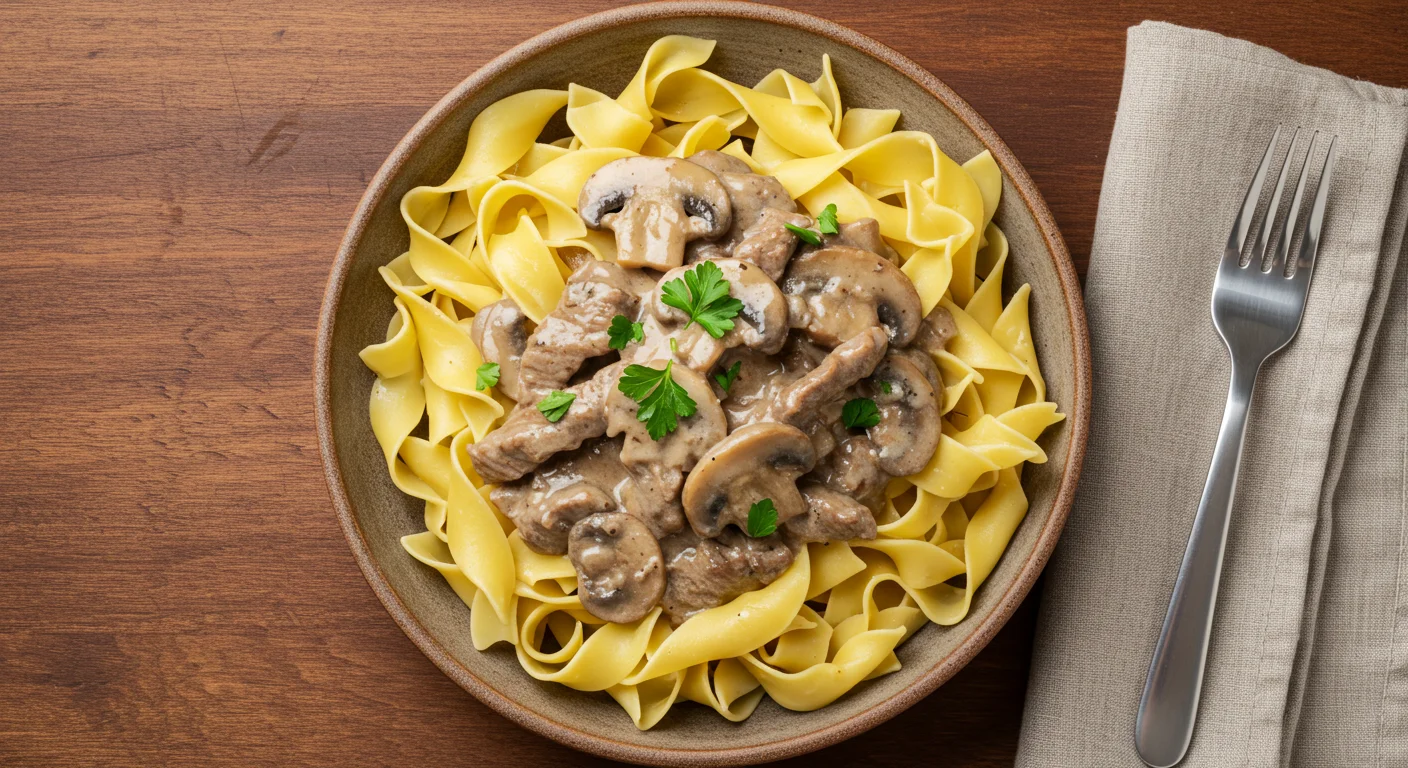
Classic Beef Stroganoff with Egg Noodles: Ultimate Comfort Guide
Classic Beef Stroganoff with Egg Noodles combines tender strips of beef, earthy mushrooms, and a smooth, sour cream sauce that coats every bite. It is a comforting dish that balances rich flavor with simple preparation, making it both timeless and approachable.
Served over buttery egg noodles, this recipe has remained a favorite for generations.
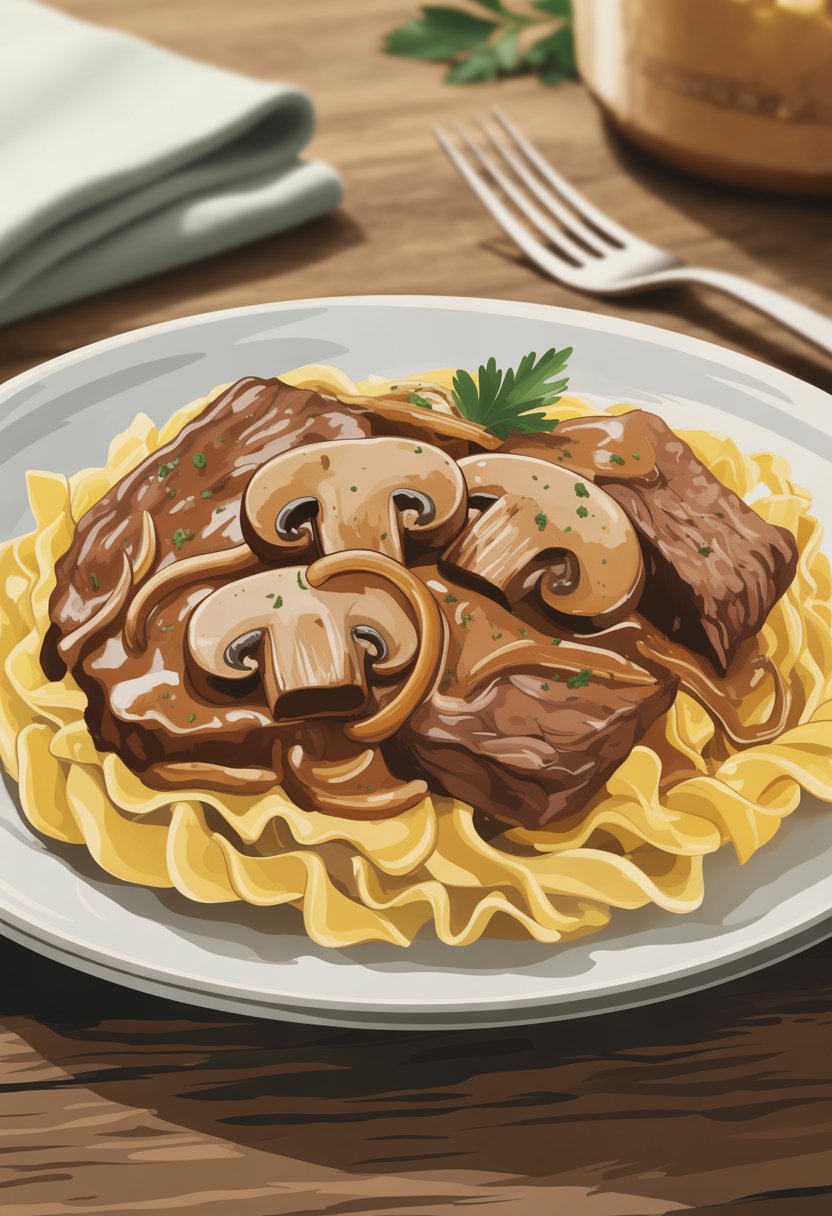
What sets it apart is its ability to feel both hearty and refined. The combination of savory beef, creamy sauce, and soft noodles creates a meal that works just as well for a weeknight dinner as it does for a special occasion.
With the right ingredients and a few straightforward steps, anyone can put this classic dish on the table without stress.
This article explores what makes the dish special, the key ingredients that give it authentic flavor, and a clear step-by-step guide to preparing it.
It also covers serving ideas, storage tips, and answers to common questions, so every detail is easy to follow.
What Makes Classic Beef Stroganoff with Egg Noodles Special
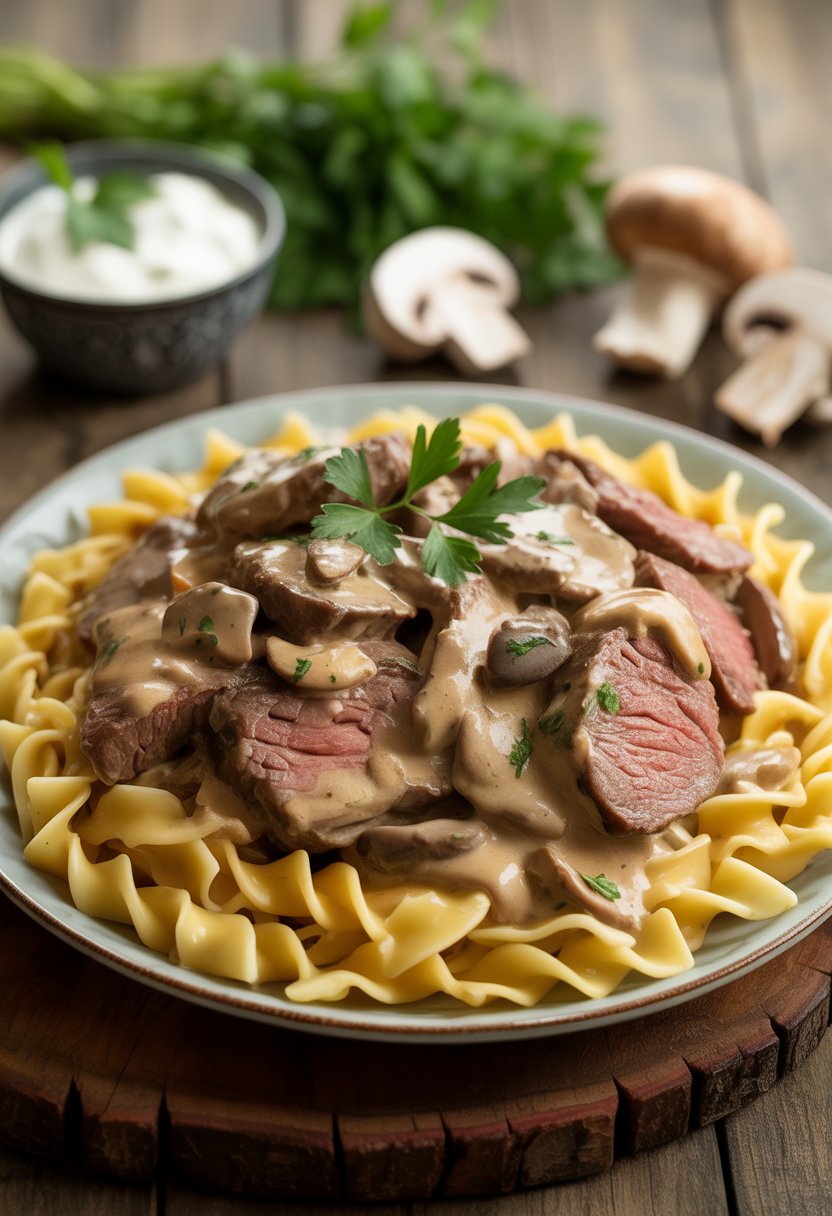
Classic beef stroganoff with egg noodles stands out because it balances tender beef, a creamy mushroom sauce, and hearty noodles in one dish. It offers both a satisfying taste and practical benefits, making it a favorite for family meals and gatherings.
Signature Flavors and Textures
The dish combines seared strips of beef with sautéed onions and mushrooms, creating a savory base. When mixed with a sour cream–based sauce, the result is a smooth, tangy layer that coats the meat and vegetables.
Egg noodles add a soft but slightly chewy texture that holds the sauce well. Their mild flavor allows the richness of the beef and sauce to come forward without being overwhelming.
The creamy sauce contrasts with the earthy mushrooms, while the beef provides a hearty bite. Together, they create a dish that feels complete and well-rounded.
Comfort Food Appeal
Classic beef stroganoff is often seen as a comfort food because it is warm, filling, and simple to enjoy. The combination of beef, mushrooms, and noodles makes it both familiar and satisfying, appealing to a wide range of tastes.
It can be served for weeknight dinners or special occasions, which adds to its versatility. Families often choose it because it feels homemade and hearty without requiring overly complex preparation.
Unlike heavily spiced dishes, stroganoff relies on mild seasonings that highlight the natural flavors of the ingredients, reinforcing its role as a dependable comfort meal.
Nutritional Benefits
While beef stroganoff is rich, it also provides important nutrients. Beef supplies protein, iron, zinc, and vitamin B12, which support muscle health and energy.
Mushrooms contribute antioxidants and fiber, while onions add vitamins and natural compounds that promote overall wellness. Egg noodles bring carbohydrates that provide steady energy.
Choosing whole-grain noodles can increase fiber content, making the dish more balanced. The sauce, often made with sour cream, adds calcium and fat.
Using lighter dairy options can reduce calories while keeping the creamy texture. With thoughtful ingredient choices, beef stroganoff can serve as a hearty meal that offers both comfort and nutritional value.
Essential Ingredients for Authentic Flavor
The quality of beef, the right mix of vegetables, and a balanced sauce define the depth of flavor in beef stroganoff. Egg noodles complete the dish by providing a soft, buttery base that absorbs the sauce well.
Choosing the Best Beef Cuts
Tender beef is the foundation of stroganoff. Cuts like beef sirloin or ribeye work best because they cook quickly and stay juicy. Sirloin offers a leaner texture, while ribeye provides more marbling for richer flavor.
For a budget-friendly choice, ground beef or stew meat can be used, though stew meat requires longer cooking to become tender. Thin slicing against the grain is essential to prevent toughness.
Cooking methods matter as much as the cut. Quick searing over medium-high heat in olive oil keeps the meat browned on the outside without overcooking. Overcrowding the pan should be avoided, as it can cause steaming instead of browning.
Mushrooms, Onions, and Aromatics
Mushrooms add earthy depth and absorb flavors from the pan. White button mushrooms are the most common option, but cremini or a mix of wild mushrooms bring stronger flavor. Slicing them evenly helps with consistent cooking.
Yellow onion provides sweetness when sautéed, which balances the richness of the sauce. Adding garlic near the end of cooking prevents burning and keeps its flavor sharp.
Aromatics should be cooked in butter or olive oil until lightly browned. This step creates a flavorful base for the sauce. A pinch of paprika or a splash of dry sherry can also be added at this stage for extra depth.
Building the Creamy Stroganoff Sauce
The sauce combines savory broth, tangy dairy, and seasonings. A roux made from unsalted butter and all-purpose flour thickens the liquid. Beef broth is traditional, though vegetable broth can be used for a lighter flavor.
Dairy gives stroganoff its signature creaminess. Full-fat sour cream is most common, but Greek yogurt or dairy-free sour cream can be used as substitutes. To prevent curdling, sour cream should be stirred in off the heat.
Seasonings like Dijon mustard, Worcestershire sauce, or even a small spoon of ketchup add tang and balance. A splash of dry white wine or sherry can also lift the flavor. Salt and freshly ground black pepper should be adjusted at the end.
Selecting and Cooking Egg Noodles
Egg noodles provide the starch that ties the dish together. Wide egg noodles are traditional because their broad surface holds the sauce well. For dietary needs, gluten-free egg noodles are a reliable alternative.
Cooking noodles to just tender is important, as they will continue softening once combined with the sauce. A large pot of salted water ensures even cooking and good flavor.
After draining, tossing the noodles with a small amount of butter prevents sticking. Serving them hot under the beef and sauce allows the noodles to absorb flavor without becoming mushy.
Step-by-Step Guide: How to Make Classic Beef Stroganoff
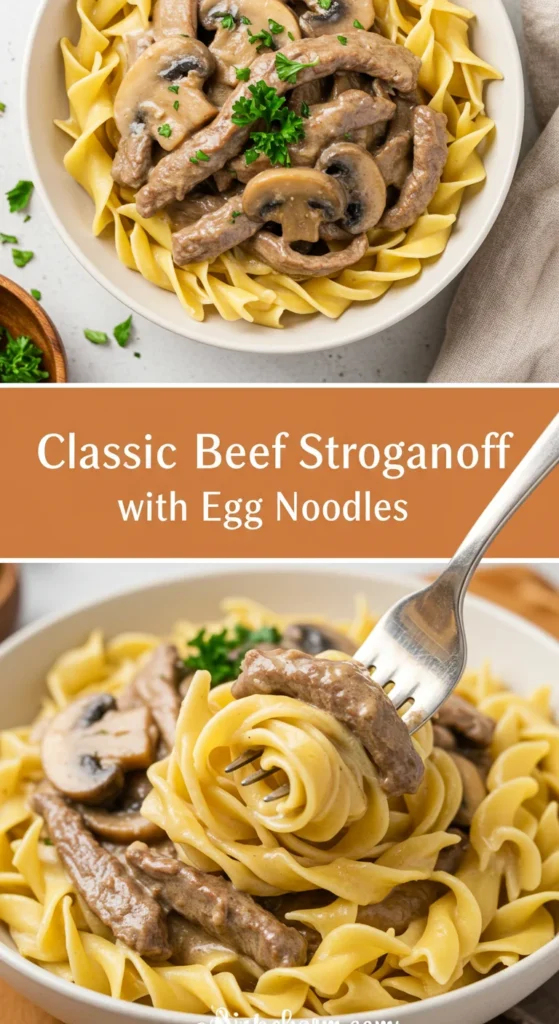
This dish comes together through careful preparation, proper searing of the beef, balanced cooking of the vegetables, and building a smooth sour cream sauce. Attention to each stage ensures tender meat, flavorful mushrooms, and a creamy mushroom sauce that coats the egg noodles evenly.
Preparation and Mise en Place
Good results start with preparation. The cook should set up a clean cutting board and a sharp knife for slicing the beef into thin, even strips.
Cutting against the grain helps keep the meat tender. Gathering all ingredients before cooking saves time.
Common items include beef sirloin or tenderloin, onion, garlic, mushrooms, beef broth, Dijon mustard, Worcestershire sauce, and sour cream.
Measuring spices and liquids in advance prevents mistakes once the skillet or Dutch oven is hot. Having egg noodles cooked and drained ahead of time also makes serving easier.
A short list of tools often used:
- Large skillet or Dutch oven
- Wooden spoon for stirring
- Measuring cups and spoons
- Tongs for turning beef
This setup allows the cook to move smoothly from one step to the next without interruption.
Cooking the Beef and Vegetables
Heat a skillet or Dutch oven over medium-high heat with a small amount of oil and butter. The beef strips should be patted dry with paper towels so they brown instead of steaming.
Cook the beef in batches, searing each side for about 1–2 minutes. Removing the beef once browned prevents overcooking and keeps it tender.
Next, add onions to the pan and cook until soft and translucent. Garlic should follow, cooking only briefly to avoid burning.
Sliced mushrooms go in last. They release moisture as they cook, so it is important to stir occasionally with a wooden spoon until they are golden and reduced in size.
Properly cooked vegetables form the base of the stroganoff sauce.
Creating the Creamy Mushroom Sauce
Sprinkle a small amount of flour over the mushrooms and onions to thicken the sauce. Stir it in for about a minute to remove the raw taste.
Slowly pour in beef broth while scraping the bottom of the pan to release browned bits. This step builds depth of flavor.
A splash of dry sherry or white wine can be added, but it is optional. Once the liquid simmers and thickens, stir in Dijon mustard and Worcestershire sauce.
Lower the heat before adding sour cream. Using full-fat sour cream at room temperature helps prevent curdling.
The sauce should become smooth and creamy, coating the back of a spoon without being too thick.
Finishing and Serving Over Egg Noodles
Return the seared beef to the skillet and stir gently into the sauce. Heat it just long enough for the meat to warm through without losing tenderness.
Season with salt and pepper, tasting as needed. A sprinkle of fresh parsley adds color and freshness before serving.
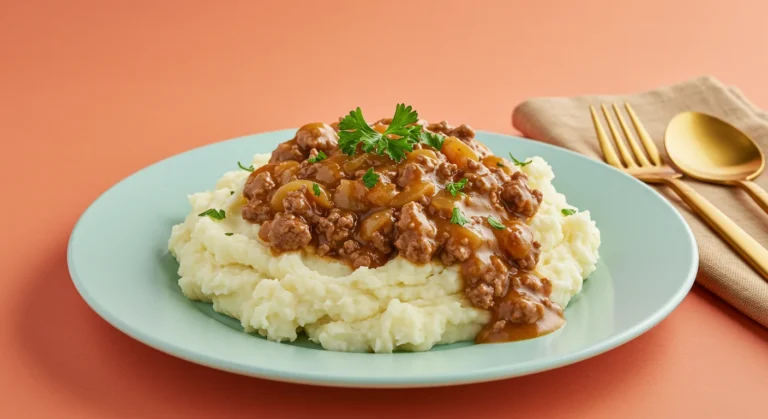
Place cooked egg noodles on plates or in shallow bowls. Spoon the beef stroganoff sauce over the noodles so the creamy mushroom mixture covers them evenly.
The dish is best served immediately while hot, with the noodles soaking up the rich sour cream sauce.
Serving Suggestions and Pairings
Beef stroganoff with egg noodles pairs well with simple sides that balance its creamy sauce. Fresh vegetables, light salads, and classic starches help round out the meal while offering variety in flavor and texture.
Classic Sides and Garnishes
The most traditional choice is buttered egg noodles, which provide a soft base that holds the sauce well. For those who prefer a different starch, creamy mashed potatoes are a warm and filling option.
Vegetables bring freshness to balance the richness. Steamed or roasted carrots, broccoli, or asparagus add color and a slightly sweet or earthy flavor.
Roasting enhances natural sweetness, while steaming keeps the texture light. A green salad with a simple vinaigrette works as a refreshing side.
The acidity of the dressing cuts through the creaminess of the sauce, making each bite feel lighter. For garnish, cooks often add fresh parsley, dill, or chives.
Herbs brighten the dish and provide contrast. A small dollop of sour cream on top can also enhance the tang and creaminess.
Creative Variations and Dietary Adaptations
Those looking for lighter or alternative pairings can swap the base. Cauliflower rice, mashed cauliflower, or zucchini noodles make low-carb options that still absorb the sauce.
Quinoa or wild rice provide a nutty flavor and extra texture. For gluten-free needs, rice noodles or corn-based pasta are reliable substitutes.
Polenta served soft and creamy also complements the sauce while offering a unique twist. Vegetable-forward sides work well for balance.
A side salad with mixed greens, cucumbers, and tomatoes dressed in vinaigrette adds freshness. Roasted seasonal vegetables like squash or green beans provide variety without overwhelming the main dish.
These adjustments allow the meal to fit different preferences while keeping the essence of stroganoff intact.
Tips, Storage, and Leftovers
Cooking beef Stroganoff well depends on proper technique and timing, while storing leftovers correctly helps keep the dish safe and flavorful.
Paying attention to both steps ensures tender beef, smooth sauce, and a meal that reheats without losing quality.
Expert Cooking Tips for Best Results
Choosing the right cut of beef makes a big difference. Cuts like sirloin tips, chuck, or tenderloin work well because they become tender when simmered.
Searing the beef first in a hot pan locks in flavor. This also gives the sauce a richer base.
The sauce benefits from balance. Tomato paste and Dijon mustard add acidity, while sour cream provides creaminess.
To prevent curdling, the sour cream should be stirred in at the very end over low heat. Cooking on gentle heat keeps the beef tender.
A slow simmer allows flavors to develop without drying out the meat. Mushrooms and onions should be sautéed until soft but not overly browned.
Adding a splash of broth or water can prevent burning. Egg noodles should be cooked just until tender.
Overcooking them makes reheating leftovers less enjoyable. They can become mushy when stored with sauce.
Storing and Reheating Leftovers
Leftover beef Stroganoff should cool before storage. Place it in an airtight container and refrigerate for up to 3–4 days.
For best texture, store noodles and sauce separately. If frozen, keep up to 3 months, then thaw overnight in the refrigerator.
When reheating, use low heat on the stovetop. Add a small amount of beef broth or water to loosen the sauce.
Avoid boiling, since high heat can cause the sour cream to separate. For quick meals, small portions may be reheated in the microwave.
Stir halfway through to ensure even heating. If noodles were stored with the sauce, check their texture and add a splash of liquid if they seem dry.
Frequently Asked Questions
What are the essential ingredients for a traditional beef stroganoff?
A traditional recipe usually includes beef strips, onions, mushrooms, beef broth, sour cream, and egg noodles. Worcestershire sauce or mustard is often added for flavor.
Fresh parsley is sometimes used as a garnish.
How do you achieve the perfect consistency for the sauce in a beef stroganoff?
The sauce should be smooth and creamy, not watery or overly thick. Using a balance of broth and sour cream helps maintain texture.
If it becomes too thick, adding a small amount of reserved pasta water or broth can loosen it.
Can beef stroganoff be made in a slow cooker, and if so, how does it differ from the traditional method?
Yes, it can be made in a slow cooker. The beef and vegetables cook over several hours, which results in very tender meat.
Unlike the stovetop version, the sour cream should be stirred in at the end to prevent curdling.
What are some tips for incorporating sour cream into beef stroganoff without curdling?
Lower the heat before adding sour cream. Stir it in slowly and avoid boiling once it is added.
Using full-fat sour cream reduces the chance of separation.
Is there a preferred type of egg noodle for making classic beef stroganoff?
Wide egg noodles are the most common choice. Their broad shape holds the sauce well and provides a hearty base for the dish.
Medium or extra-wide noodles can also be used depending on preference.
What are the steps to ensure the beef in stroganoff is tender and not overcooked?
Choose tender cuts like sirloin or tenderloin.
Sear the beef quickly in a hot pan to brown the outside without cooking it through.
Return it to the sauce only at the end to warm through.
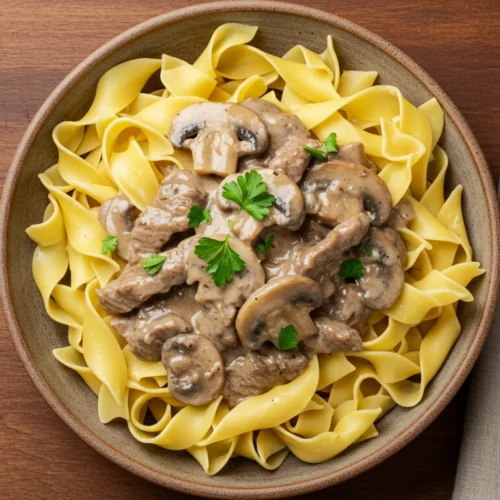
Classic Beef Stroganoff with Egg Noodles
Equipment
- 1 Large skillet or Dutch oven For searing beef and cooking the sauce.
- 1 Tongs For flipping beef during searing.
- 1 Wooden Spoon For stirring sauce and vegetables.
- 1 Measuring Cups/Spoons Ensures accurate portions of seasonings and liquids.
- 1 Knife For slicing beef, mushrooms, and onions.
- 1 Cutting Board Provides a safe surface for prep work.
Ingredients
- 1½ lbs Beef sirloin or ribeye Cut into thin strips; sirloin is leaner, ribeye is richer.
- Salt To taste – Season generously to enhance flavor.
- Pepper To taste – Freshly ground for better flavor.
- 2 tbsp Olive oil For searing beef.
- 2 tbsp Unsalted butter Adds richness to the dish.
- 1 medium Yellow onion (sliced) Adds sweetness and depth.
- 8 oz Mushrooms (sliced) White button, cremini, or wild mushrooms work well.
- 2 cloves Garlic (minced) Adds sharpness without overpowering.
- 2 tbsp All-purpose flour For thickening the sauce.
- 2 cups Beef broth Provides savory depth; vegetable broth can be substituted.
- 1 cup Full-fat sour cream Adds creaminess; avoid boiling after adding to prevent curdling.
- 1 tsp Worcestershire sauce Adds tang and umami.
- 1 tsp Dijon mustard Balances acidity and richness.
- Optional – Dry sherry or white wine For extra depth of flavor.
- 12 oz Wide egg noodles Traditional choice; gluten-free alternatives available.
- Optional – Fresh parsley (chopped) For garnish and added freshness.
Instructions
Step-by-Step Recipe
Prepare Ingredients (Mise en Place):
- Slice beef thinly against the grain. Season generously with salt and pepper.
- Slice onions and mushrooms evenly. Mince garlic. Measure out all other ingredients.
Sear the Beef:
- Heat olive oil and 1 tablespoon of butter in a large skillet or Dutch oven over medium-high heat.
- Pat beef dry with paper towels and sear in batches for 1–2 minutes per side until browned but not fully cooked. Remove and set aside.
Cook Vegetables:
- In the same skillet, add remaining butter. Sauté onions until translucent, about 3–4 minutes. Add garlic and cook for 30 seconds.
- Stir in mushrooms and cook until golden and reduced in size, about 5–7 minutes.
Build the Sauce:
- Sprinkle flour over the vegetables and stir for 1 minute to remove the raw taste.
- Slowly pour in beef broth, scraping up browned bits from the bottom of the pan. Add Worcestershire sauce, Dijon mustard, and optional sherry or wine. Simmer until slightly thickened, about 5 minutes.
Add Sour Cream and Beef:
- Lower the heat and stir in sour cream. Ensure it is at room temperature to prevent curdling.
- Return the beef to the skillet and warm through, about 2–3 minutes. Do not boil.
Cook Egg Noodles:
- Boil egg noodles in salted water until al dente. Drain and toss with a small amount of butter to prevent sticking.
Serve:
- Spoon the beef stroganoff over cooked egg noodles. Garnish with chopped parsley if desired. Serve immediately while hot.
Notes
-
- Storage: Store leftovers in an airtight container in the fridge for up to 3–4 days. Reheat gently on the stovetop with a splash of broth or water to loosen the sauce.
- Freezing: Freeze sauce and beef separately from noodles for up to 3 months. Thaw overnight in the fridge before reheating.
- Healthier Option: Use Greek yogurt instead of sour cream and serve with zucchini noodles or cauliflower rice for a lower-carb alternative.
Frequently Asked Questions
- What are the essential ingredients for beef stroganoff?
- Beef, onions, mushrooms, beef broth, sour cream, and egg noodles. Worcestershire sauce and mustard are often added for flavor.
-
How do you achieve the perfect sauce consistency?
- Use a roux (flour and butter) to thicken the sauce. Adjust thickness with broth or pasta water as needed.
-
Can beef stroganoff be made in a slow cooker?
- Yes, cook beef and vegetables on low for 6–8 hours. Add sour cream at the end to prevent curdling.
-
How do you prevent sour cream from curdling?
- Stir sour cream in off the heat. Use full-fat sour cream at room temperature for best results.
-
What type of egg noodles works best?
- Wide egg noodles are traditional because they hold the sauce well. Gluten-free options are available for dietary needs.
-
How can you ensure the beef stays tender?
- Use tender cuts like sirloin or ribeye. Sear quickly and finish cooking in the sauce over low heat.
Tips & Tricks
- Flavor Enhancement: Add a splash of dry sherry or white wine for extra depth. Fresh herbs like parsley or dill brighten the dish.
- Presentation: Garnish with chopped parsley or a dollop of sour cream for added color and freshness.
- Leftovers: Use leftover stroganoff as a filling for baked potatoes or as a topping for toast.
Plating and Garnishing
- Garnish: Sprinkle chopped parsley or chives for added freshness and visual appeal.
- Serving Style: Arrange egg noodles neatly on a plate or bowl, top with beef stroganoff sauce, and garnish with herbs.
- Sides: Pair with steamed broccoli, roasted carrots, or a crisp green salad for balance.