Classic Tiramisu Dessert: The Ultimate Guide to Italy’s Iconic Treat
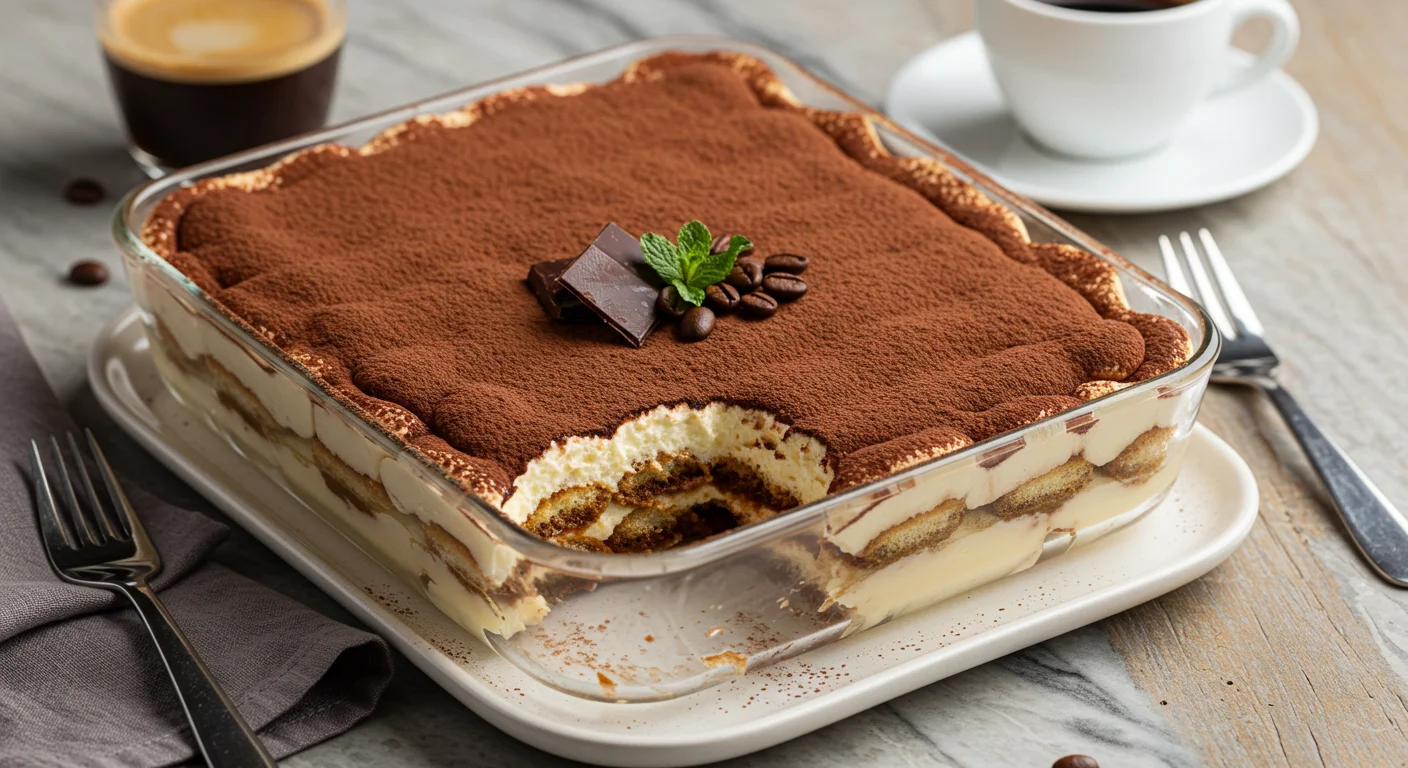
The classic tiramisu dessert is a well-known Italian treat made with layers of coffee-soaked ladyfingers and a rich mascarpone cream. It is a no-bake recipe that combines simple ingredients, such as eggs, sugar, and espresso, to create a smooth texture and balanced flavor.
This dessert is loved for its delicate balance between the slightly bitter coffee and the sweet, creamy mascarpone mixture. The ladyfingers absorb just enough coffee to add flavor without becoming soggy, while the mascarpone and whipped egg whites give tiramisu its signature light and airy texture.
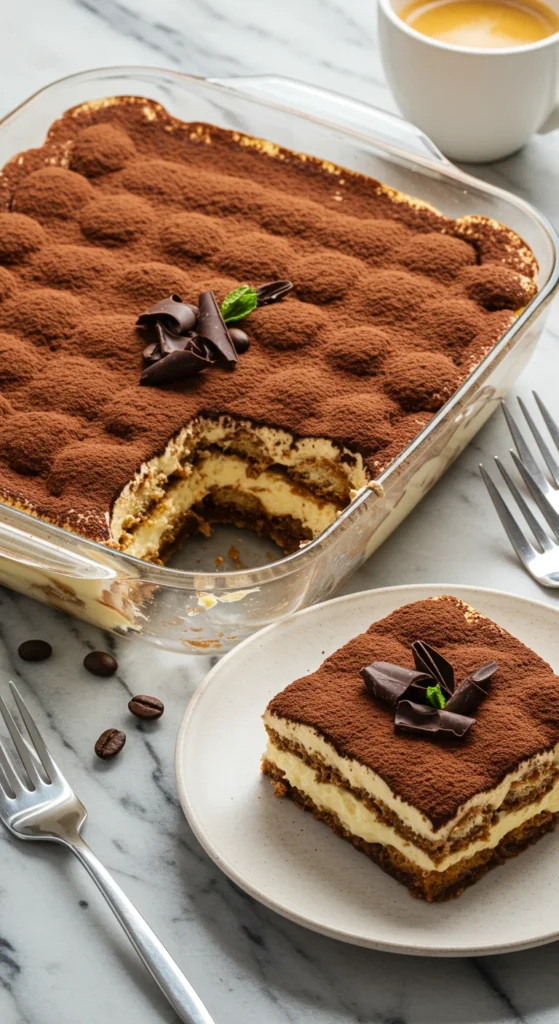
Classic tiramisu does not include cream or chocolate chips, staying true to the original Italian recipe. Tiramisu is versatile and can be made in a large dish or individual portions, making it suitable for any occasion.
Its simple preparation and rich taste make it one of the most admired Italian desserts worldwide.
Key Ingredients in Classic Tiramisu

Classic tiramisu depends on a few carefully chosen ingredients that create its distinctive layers and flavors. Each element plays a specific role, from the rich creamy filling to the crisp cake soaked in coffee with a touch of rum.
Mascarpone Cheese
Mascarpone cheese is the creamy heart of tiramisu. It is a soft, rich Italian cheese with a smooth texture and a mild, slightly sweet flavor.
Mascarpone blends easily with whipped cream and egg yolks to form a silky mascarpone cream that gives tiramisu its light but indulgent mouthfeel. Adding heavy cream or heavy whipping cream to mascarpone helps lighten the mixture.
This whipped cream adds volume and softness while maintaining richness. Beating mascarpone briefly before mixing prevents the cream from separating or turning grainy.
Using cold mascarpone straight from the fridge improves texture, making it easier to whip with cream without breaking. The final creamy layer holds its shape well under the coffee-soaked ladyfingers.
Ladyfingers (Savoiardi)
Ladyfingers, or savoiardi, are the sponge-like cookies that form tiramisu’s structure. They are dry and crisp, designed to absorb strong coffee without turning mushy too quickly.
Their light texture supports the creamy layers while soaking up flavor. When dipped briefly in espresso or strong coffee mixed with rum or coffee liqueur, ladyfingers soak up moisture while keeping enough firmness.
Over-soaking can cause them to dissolve, so quick dips are essential. Store-bought ladyfingers are commonly used, available in most grocery stores.
For those who can’t find them, light sponge cake can be a substitute but lacks the traditional texture that ladyfingers provide.
Espresso and Strong Coffee
Strong coffee or espresso is critical for tiramisu. It imparts the bold, bitter notes that balance the sweet mascarpone cream and sugar.
Espresso powder can be dissolved in hot water or actual brewed espresso can be used for a deeper flavor. The coffee is usually sweetened lightly with granulated sugar and mixed with a spirit like dark rum or coffee liqueur.
This combination adds complexity and a slight warmth to the dessert. The coffee must be cooled before soaking the ladyfingers to prevent breaking down the texture.
This step also ensures the final tiramisu sets well in the refrigerator.
Tiramisu Cream and Whipped Cream
The tiramisu cream combines mascarpone, egg yolks, sugar, and whipped heavy cream. Egg yolks and sugar form a base called zabaglione, often cooked gently with rum for safety and flavor.
This creates a foamy, sweet custard that stabilizes the mascarpone mixture. Whipped heavy cream, beaten to soft peaks, is folded into the mascarpone cheese and zabaglione mixture.
This lightens the filling and creates a smooth, airy texture. Vanilla extract may be added for subtle flavor enhancement.
The cream layer should hold firm peaks to provide stability between the soaked ladyfingers. The balance between these elements is vital to achieve a creamy yet structured filling without becoming runny or grainy.
Step-by-Step Preparation of Classic Tiramisu
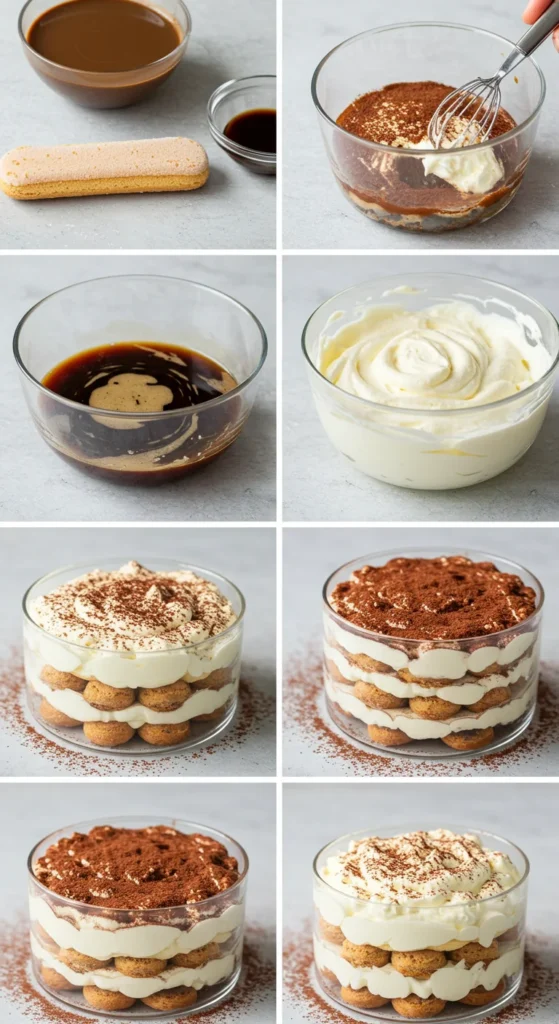
The process of making classic tiramisu includes crafting a smooth mascarpone cream, properly soaking ladyfingers in coffee, layering the dessert carefully, and setting it in the fridge. Attention to these details helps ensure a balanced texture and flavor.
Making the Mascarpone Cream Layer
The mascarpone cream is the heart of tiramisu. It starts with beating cold mascarpone cheese until smooth using a hand mixer.
Separately, egg yolks and sugar are whisked over a double boiler until light and fluffy. This step cooks the eggs gently and ensures safety.
Once combined with the mascarpone, vanilla and salt are added for flavor. Heavy cream is whipped to medium peaks and folded into the mixture slowly, preserving air for a light texture.
Alternatively, whipped egg whites can be used for a more airy result. Overmixing is avoided to prevent graininess.
Soaking Ladyfingers in Coffee
Ladyfingers should be dipped quickly in cold or room-temperature espresso or strong coffee. A quick dip, about 1-2 seconds per side, prevents them from becoming too soggy and losing structure.
Using espresso-soaked ladyfingers adds a bold coffee flavor that is key to classic tiramisu. The coffee should be strong but not hot to keep the ladyfingers intact and maintain the dessert’s layers.
Careful soaking ensures the right balance between moistness and firmness.
Layering and Assembling the Dessert
A rectangular glass dish is ideal for assembling tiramisu since it shows the layers clearly and allows even slices. Start with a single layer of coffee-soaked ladyfingers pressed gently at the bottom.
Next, spread half of the mascarpone cream evenly on top. Repeat with another layer of soaked ladyfingers and cover with the remaining cream.
Use a spatula to smooth the top for an even finish. Avoid pressing too hard to keep the layers light.
Chilling and Final Touches
After assembly, cover the tiramisu and refrigerate for at least 6 hours, preferably overnight. This resting time lets the flavors meld and the texture set, making it easier to slice.
Before serving, dust the top with unsweetened cocoa powder using a fine sieve for an even layer. This adds a slight bitterness that balances the sweetness and enhances the flavor.
The dessert requires no baking but does depend on proper chilling to develop its classic character.
Tips, Variations, and Serving Suggestions

Tiramisu recipes vary in preparation and flavors, allowing for creative adjustments to suit tastes and occasions. Whether following traditional steps or trying new ideas, attention to ingredient choice and presentation makes a difference in the final dessert.
Classic vs. Modern Methods
Traditional tiramisu uses raw egg yolks and espresso-soaked ladyfingers layered with mascarpone cream. This method relies on careful layering and the quality of ingredients like strong coffee and fresh mascarpone.
Modern methods often avoid raw eggs for safety by using whipped cream or mascarpone blends. Some recipes use pre-made coffee syrup instead of espresso.
These versions are quicker and simpler, yet they aim to keep the rich taste and creamy texture. Both approaches require chilling to help the dessert set and develop flavor.
Proper soaking is key to avoid soggy or dry layers, maintaining a balance between moistness and firmness.
Alcohol-Free and Kid-Friendly Options
Traditional tiramisu usually includes a splash of alcohol, like Marsala wine or rum, which adds depth. For alcohol-free options, coffee or coffee extract can replace the liquor without losing bold flavor.
To make tiramisu suitable for children, using decaf coffee is an effective choice. The cream can be adapted by omitting alcohol-based extracts or liqueurs in the mascarpone mixture.
This creates a dessert that is still rich and enjoyable but safe for all ages. Presentation in individual glasses also makes it fun and easy to serve for family gatherings.
Berry Tiramisu and Flavor Variations
Berry tiramisu introduces fresh berries or berry sauces to the classic recipe, adding a sweet-tart twist. Blueberries, raspberries, or strawberries can be layered with mascarpone for a colorful and refreshing take.
Other variations include adding chocolate, citrus zest, or flavored liqueurs to change the profile while keeping the creamy base. These adaptations offer seasonal or personal preferences and can be served in panna cotta-style glasses or traditional dishes.
Careful balance of fruit juice and ladyfinger soaking ensures the dessert is not overly soggy. Using berries also adds vibrant color, making the dessert visually appealing as well as tasty.
Storage and Make-Ahead Advice

Proper storage is key to keeping classic tiramisu fresh and delicious. The dessert benefits from resting in the fridge to develop its full flavor and soft texture.
Freezing is also an option but requires special care to maintain quality.
Refrigeration and Shelf Life
Classic tiramisu should be stored in the refrigerator, ideally in a glass or ceramic dish with a tight lid. If no lid is available, covering the surface of the mascarpone cream directly with plastic wrap helps prevent a skin from forming.
Adding a second layer of plastic wrap or foil over the dish keeps outside odors from affecting the dessert. It’s best to refrigerate tiramisu for at least 24 hours before serving to allow the flavors to blend and the ladyfingers to soften properly.
The dessert stays good for up to 4 days in the fridge, but its best texture and taste will be within the first 48 hours. After that, tiramisu may become too soggy or watery though still safe to eat.
Freezing Classic Tiramisu
Freezing classic tiramisu is possible for longer storage, up to 3 months, but it should be done with care to protect texture and flavor. The tiramisu must be fully chilled for several hours before freezing.
The cocoa powder topping should be added only after thawing to prevent it from becoming damp. For freezing, the dessert requires multiple layers of wrapping: press plastic wrap directly onto the cream, wrap the entire dish tightly in plastic, and then add a heavy foil layer.
Labeling the package with the date helps track freshness. When ready to eat, thaw the tiramisu slowly in the refrigerator for at least 24 hours.
This gradual thawing preserves the texture better than quick thaw methods. After thawing, dust the tiramisu with fresh cocoa powder before serving.
Frequently Asked Questions
This section explains how to prepare traditional tiramisu, focusing on the key ingredients and steps. It covers how to layer ladyfingers properly and offers a simple recipe for beginners.
It also highlights which recipe matches the authentic Italian version and gives tips to improve taste and texture at home.
How do you make traditional Italian tiramisu?
Traditional tiramisu is made by mixing mascarpone cheese with whipped egg yolks and sugar, then folding in beaten egg whites. Ladyfingers are quickly dipped in coffee and layered with the cream mixture.
The dessert is chilled for several hours to let flavors blend.
What are the essential ingredients for a classic tiramisu?
The key ingredients include fresh mascarpone cheese, eggs, sugar, strong espresso coffee, ladyfingers, cocoa powder, and often a coffee-flavored liqueur like Amaretto or Marsala. Each ingredient’s quality affects the final taste and texture.
Can you explain the layering process for making tiramisu with ladyfingers?
Ladyfingers must be dipped briefly, about 1-2 seconds, in cooled espresso so they become moist but not soggy. They are arranged in a single layer at the bottom of the dish.
A layer of mascarpone cream is spread evenly on top. This process repeats for at least two layers.
What are the steps for an easy tiramisu recipe for beginners?
First, prepare strong coffee and let it cool. Whisk egg yolks with sugar until fluffy.
Add mascarpone and gently combine. Whip egg whites until stiff peaks form and fold them carefully into the mixture.
Dip ladyfingers quickly in coffee and layer with the cream. Chill for at least 4 hours.
Which recipe is closest to the tiramisu that Italian chefs make?
Recipes that use fresh, room temperature eggs whisked with sugar syrup, high-quality mascarpone, and strong espresso without instant coffee closely match classic Italian versions. The traditional method includes careful folding of whipped egg whites for lightness and chilling the dessert overnight.
What tips can improve the flavor and texture of homemade tiramisu?
Use freshly brewed, strong espresso and cool it before dipping ladyfingers.
Keep all ingredients at room temperature to avoid lumps.
Fold the mascarpone and egg whites gently to keep the cream light.
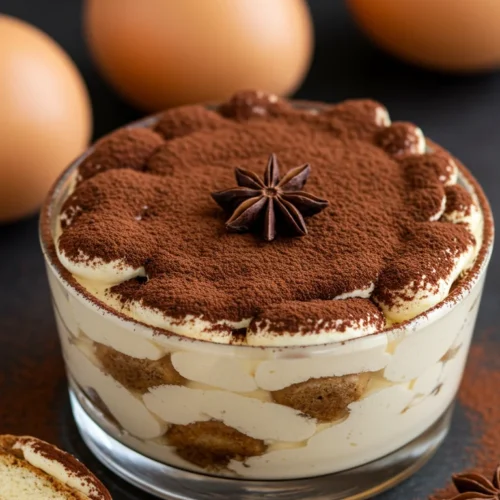
Classic Tiramisu Dessert
Equipment
- 1 Mixing Bowls For preparing mascarpone cream and soaking ladyfingers.
- 1 Hand mixer For whipping egg whites, cream, and blending mascarpone.
- 1 Double boiler For gently cooking egg yolks with sugar (optional but recommended).
- 1 Spatula For folding ingredients gently and smoothing layers.
- 1 Fine sieve For dusting cocoa powder evenly on top.
- 1 Rectangular glass dish Ideal for assembling tiramisu; 9×13 inches works well.
Ingredients
Mascarpone Cream Ingredients
- 500 g Mascarpone cheese Cold, high-quality mascarpone for best texture.
- 4 large Egg yolks Pasteurized eggs are safer for raw consumption.
- 100 g Granulated sugar For sweetness in the cream.
- 200 ml Heavy cream Whipped to soft peaks for lightness.
- 1 tsp Vanilla extract Enhances flavor in the mascarpone mixture.
- Optional – Pinch of salt Balances sweetness.
Ladyfingers and Coffee Ingredients
- 24 pieces Ladyfingers (savoiardi) Store-bought or homemade; crisp texture is essential.
- 1½ cups Strong brewed espresso Cooled completely before use.
- 2 tbsp Coffee liqueur (optional) Adds depth; can be omitted for alcohol-free versions.
- 1-2 tbsp Granulated sugar Sweetens the coffee slightly.
Topping Ingredients
- 2–3 tbsp Unsweetened cocoa powder Dust lightly over the top before serving.
Instructions
Step-by-Step Recipe
Prepare the Mascarpone Cream:
- In a mixing bowl, beat cold mascarpone cheese until smooth using a hand mixer.
- In a separate bowl, whisk egg yolks and sugar over a double boiler until light and fluffy (about 5 minutes). Remove from heat and let cool slightly.
- Gradually fold the cooled egg yolk mixture into the mascarpone until fully combined. Add vanilla extract and a pinch of salt.
- In another bowl, whip heavy cream to medium peaks. Gently fold the whipped cream into the mascarpone mixture until light and airy. Set aside.
Soak the Ladyfingers:
- Combine cooled espresso, coffee liqueur (if using), and sugar in a shallow dish.
- Dip each ladyfinger briefly (1–2 seconds per side) into the coffee mixture. Arrange them in a single layer at the bottom of the glass dish.
Assemble the Tiramisu:
- Spread half of the mascarpone cream evenly over the soaked ladyfingers.
- Add another layer of coffee-soaked ladyfingers on top of the cream.
- Spread the remaining mascarpone cream over the second layer of ladyfingers, smoothing the surface with a spatula.
Chill and Finish:
- Cover the assembled tiramisu with plastic wrap, pressing it directly onto the surface to prevent a skin from forming.
- Refrigerate for at least 6 hours, preferably overnight, to allow flavors to meld and layers to set.
- Before serving, dust the top evenly with unsweetened cocoa powder using a fine sieve.
Serve:
- Slice the tiramisu into even portions and serve chilled.
Notes
-
- Storage: Store tiramisu in the refrigerator, covered tightly, for up to 4 days. Best enjoyed within the first 48 hours.
- Freezing: Freeze tiramisu for up to 3 months. Wrap tightly in plastic wrap and foil, then thaw in the fridge for 24 hours before serving. Dust with cocoa powder after thawing.
- Alcohol-Free Option: Omit coffee liqueur and use decaf coffee for kid-friendly versions.
Frequently Asked Questions
-
How do you make traditional Italian tiramisu?
- Mix mascarpone with whipped egg yolks and sugar, fold in beaten egg whites, and layer with coffee-soaked ladyfingers. Chill for several hours.
-
What are the essential ingredients for classic tiramisu?
- Mascarpone cheese, eggs, sugar, strong espresso, ladyfingers, cocoa powder, and optional liqueurs like Marsala or Amaretto.
-
Can you explain the layering process?
- Briefly dip ladyfingers in cooled coffee, arrange in a dish, spread mascarpone cream, repeat layers, and chill.
-
What are the steps for an easy tiramisu recipe?
- Prepare coffee, mix mascarpone cream, soak ladyfingers, layer, and chill for 4+ hours.
-
Which recipe is closest to authentic Italian tiramisu?
- Recipes using fresh mascarpone, strong espresso, and careful folding of whipped egg whites closely match traditional methods.
-
What tips improve flavor and texture?
- Use freshly brewed espresso, keep ingredients at room temperature, and fold gently to maintain lightness.
Tips & Tricks
- Flavor Enhancement: Add a splash of rum or brandy to the coffee mixture for extra depth.
- Presentation: Serve individual portions in clear glasses for a modern twist.
- Leftovers: Re-dust tiramisu with cocoa powder before serving leftovers for a fresh appearance.
Plating and Garnishing
- Garnish: Dust generously with unsweetened cocoa powder just before serving.
- Serving Style: Arrange slices neatly on a plate or platter. Pair with espresso or dessert wine for an elegant touch.
- Sides: Serve alongside fresh berries or a dollop of whipped cream for added indulgence.