Crispy Brown Sugar Glazed Pork Tenderloin Bombs – Sweet & Savory Delight Explained
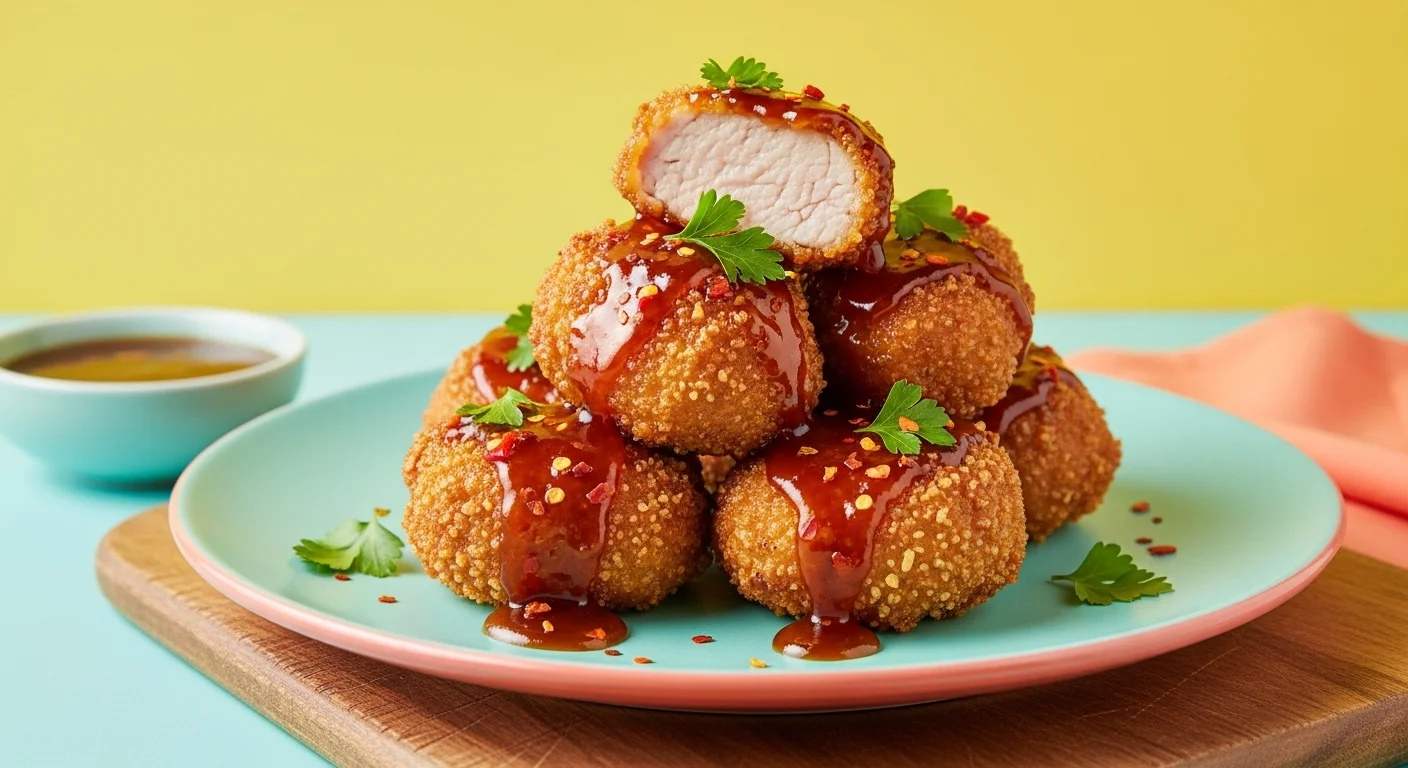
Crispy Brown Sugar Glazed Pork Tenderloin Bombs offer a simple way to enjoy a balanced mix of sweet and savory flavors in one dish. The tender pork pieces are coated with a brown sugar glaze that caramelizes into a crispy, sticky crust when cooked right.
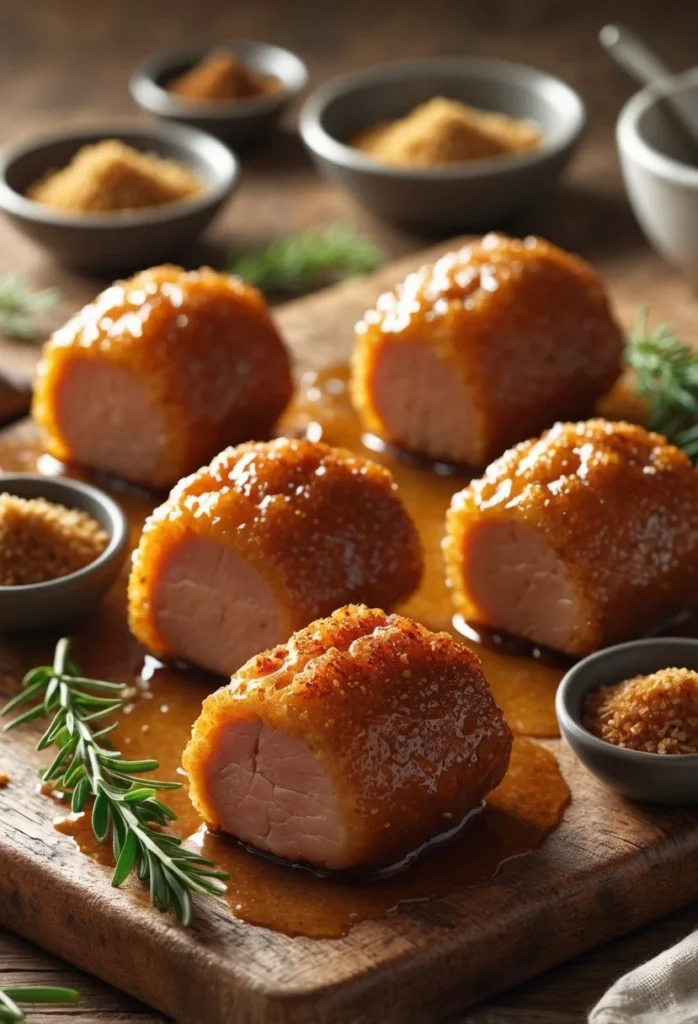
These pork bites are easy to prepare and work well for both everyday dinners and special occasions. They pair nicely with roasted vegetables or mashed potatoes, making the meal complete without extra effort.
The glaze’s sweetness can be adjusted, allowing for a flexible approach to flavor. With step-by-step seasoning and cooking methods, this dish ensures even cooking and enhances the pork’s natural flavor.
The crispy crust and juicy interior make it a standout dish that can impress without complicated techniques or long cooking times.
What Makes Crispy Brown Sugar Glazed Pork Tenderloin Bombs Unique
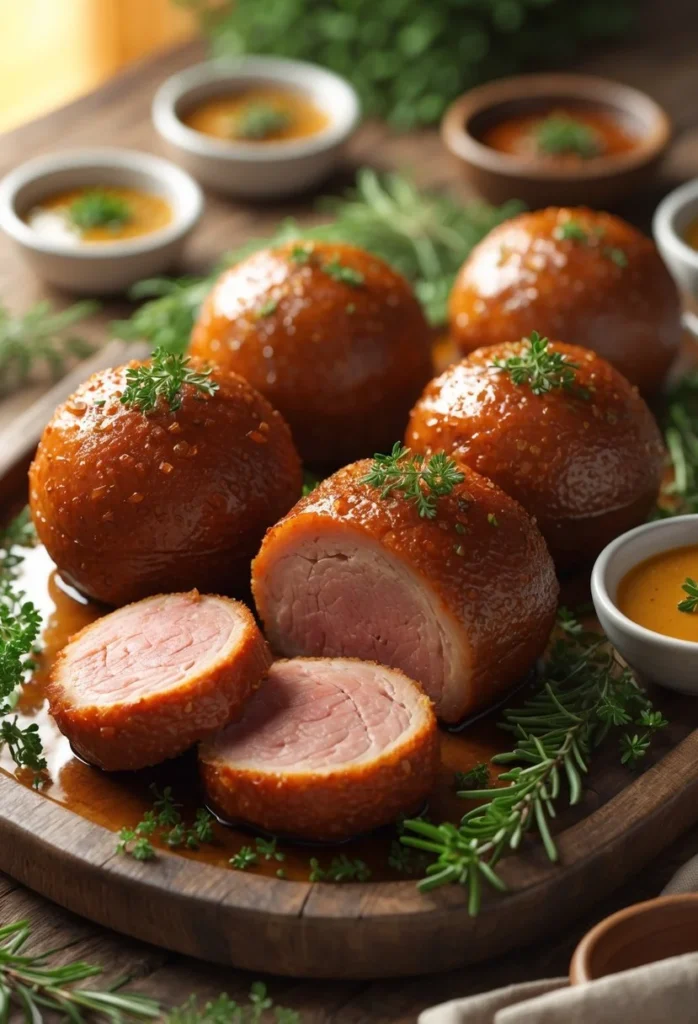
This dish stands out because it combines flavors and textures that work well together. The balance between sweetness and savoriness, the crispy outer layer, and the special brown sugar glaze all play key roles in creating a satisfying eating experience.
Each element adds something important to the final dish.
Sweet and Savory Flavor Profile
The combination of sweet and savory flavors makes this pork tenderloin recipe memorable. The sweet notes come mainly from the brown sugar glaze, which caramelizes when cooked.
This adds a rich sweetness that contrasts well with the pork’s natural savory taste. Spices like smoked paprika, garlic, and onion powder add depth without overpowering the sweetness.
Together, these make the dish flavorful but balanced. The blend of flavors appeals to those who enjoy both savory dishes and a touch of sweetness on their plate.
Importance of a Crispy Texture
The crispy texture is a defining characteristic of these pork tenderloin bombs. Searing the pork on high heat creates a caramelized, golden crust that adds a satisfying crunch.
This outer layer contrasts with the tender, juicy meat inside. Avoiding overcrowding the pan during cooking helps maintain this crispiness.
The result is a pork bite that is both crispy on the outside and soft on the inside. This texture contrast makes each bite interesting and enjoyable.
Role of the Brown Sugar Glaze
The brown sugar glaze is essential to the dish’s flavor and appearance. It is made by coating the seasoned pork and spooning pan juices over the pieces as they cook.
This process forms a sticky, glossy coating that enhances sweetness and adds moisture. The glaze also encourages caramelization, which deepens the color and flavor of the pork.
It helps the pork stay juicy by sealing in natural juices. This glaze balances flavor and texture while giving the pork its signature shiny, appetite-appealing finish.
Essential Ingredients and Preparation Tips
The success of Crispy Brown Sugar Glazed Pork Tenderloin Bombs depends on choosing the right cut, combining specific spices, and mastering the glaze. Proper preparation steps ensure even cooking and the best flavor and texture in every bite.
Selecting the Right Pork Tenderloin
Pork tenderloin is a lean, tender cut ideal for quick cooking. It is important to choose fresh pork with a light pink color and firm texture.
Avoid cuts with excess fat or discoloration. Tenderloins should be trimmed of any silver skin or fat to help even cooking and a clean finish.
Cutting the tenderloin into 1-inch medallions or bite-sized pieces allows heat to penetrate evenly. Uniform pieces prevent some parts from drying out while others remain undercooked.
Buying two tenderloins around 1 pound each offers enough for several servings without overcrowding the pan during cooking. Overcrowding can cause steaming instead of searing, which affects crispness.
Must-Have Spices and Seasonings
The key spices for this dish combine sweet, smoky, and savory notes. Brown sugar is essential for the glaze and caramelization.
Other key seasonings include:
- Smoked paprika for a subtle smoky flavor
- Garlic powder and onion powder for depth
- Salt and black pepper to balance sweetness and enhance flavor
Measuring spices accurately makes sure the pork is evenly coated and the flavor balanced. Tossing the pork pieces thoroughly in the dry mix before cooking ensures each piece gets glazed properly.
How to Perfect the Brown Sugar Glaze
The brown sugar glaze is a simple but crucial component. It creates the sticky, caramelized crust that gives the dish its signature texture and flavor.
To make a glaze that sticks and cooks without burning:
- Use light or dark brown sugar for a rich molasses flavor.
- Combine brown sugar evenly with spices before coating the pork.
- Cook pork on medium-high heat, allowing the sugar to melt slowly and caramelize.
- Spoon pan juices back over the pork in the final minutes to deepen the glaze.
Avoid too high heat, which can burn the sugar and give a bitter taste. A glossy, sticky finish indicates the glaze is done.
Preparation Best Practices
Successful cooking relies on proper preparation before and during the cooking process. Begin by trimming and cutting the tenderloin into even pieces.
Coat each piece in the brown sugar and seasoning mix until fully covered. Heat the skillet with olive oil and butter together.
The butter adds flavor and helps the glaze caramelize nicely. Cook pork in a single layer, avoiding overcrowding, which can lower pan temperature.
Sear each side 3-4 minutes until golden. After searing, lower heat and continue to cook while spooning the juices over the pork.
This keeps the meat moist and builds up the glaze. Let the pork rest for a few minutes after cooking to allow juices to redistribute before serving.
Step-by-Step Cooking Instructions
This recipe requires careful attention to preparation, seasoning, and cooking techniques. Each step builds flavor and texture to create tender pork with a crispy, caramelized brown sugar glaze.
Trimming and Portioning the Pork Tenderloin
Start by removing any excess fat or silver skin from the pork tenderloins. This helps prevent chewy bits and allows even cooking.
Next, slice each tenderloin into 1-inch thick medallions. Keeping pieces uniform ensures they cook evenly and develop a consistent texture.
Bite-sized pieces are ideal for the glaze to stick well and for easy handling during searing. This size also helps the pork cook quickly without drying out.
Proper Seasoning and Flavor Infusion
Prepare a seasoning mix using brown sugar, smoked paprika, garlic powder, onion powder, salt, and pepper. This balance of sweet and savory provides depth to the pork flavor.
Coat the pork pieces thoroughly with the seasoning blend. Ensure every side is covered so the glaze forms evenly during cooking.
Allowing the pork to sit in the seasoning for a few minutes before cooking helps the flavors penetrate the meat.
Searing for Ultimate Crispiness
Heat olive oil and butter in a skillet over medium-high heat until hot and sizzling. Add the pork pieces in a single layer, taking care not to overcrowd the pan.
Cooking in batches may be necessary. Sear each piece for 3-4 minutes per side until the exterior turns golden brown.
This process locks in juices and creates a crispy, caramelized crust.
Glazing and Finishing Techniques
After searing, reduce the heat to medium-low. Spoon pan juices over the pork to form a sticky, glossy brown sugar glaze.
Cook for another 2-3 minutes, allowing the glaze to caramelize without burning. Remove the pork from heat and let it rest for 3 minutes.
This resting period redistributes juices, keeping the meat tender. Optional chopped parsley adds a fresh touch before serving.
Serving, Pairings, and Nutritional Considerations
This dish combines the rich flavor of pork tenderloin with a sweet brown sugar glaze, creating a balance of savory and sweet tastes. Thoughtful presentation, well-chosen side dishes, and awareness of nutritional content help enhance the overall meal experience and support healthier choices.
Serving Suggestions and Presentation
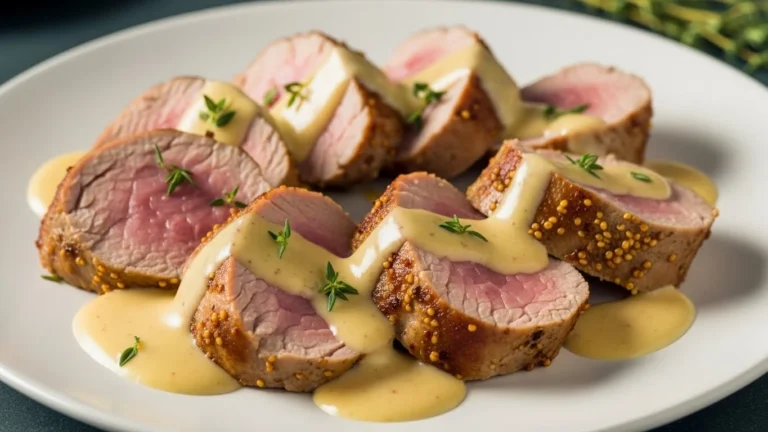
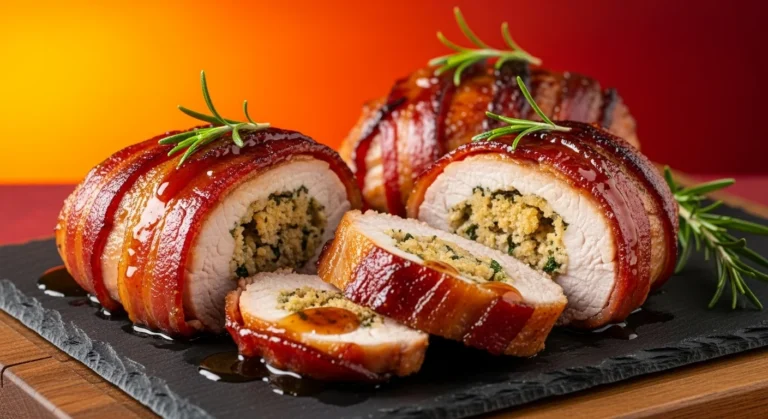
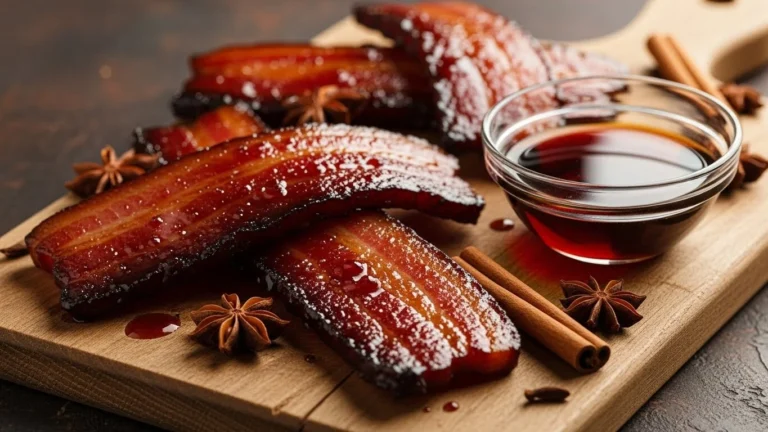
Pork tenderloin bombs are best served warm, right after resting to keep the juices locked in. Cutting them into bite-sized pieces or small slices helps showcase the crispy bacon and caramelized brown sugar glaze.
Arranging the bites on a platter with toothpicks is practical and inviting for guests. Adding a drizzle of any leftover glaze or chutney on top brightens the appearance and adds extra flavor.
For a touch of freshness, a sprinkle of chopped herbs like parsley or chives offers color contrast. Using simple white or neutral plates highlights the rich browns of the glazed pork pieces.
Complementary Sides and Sauces
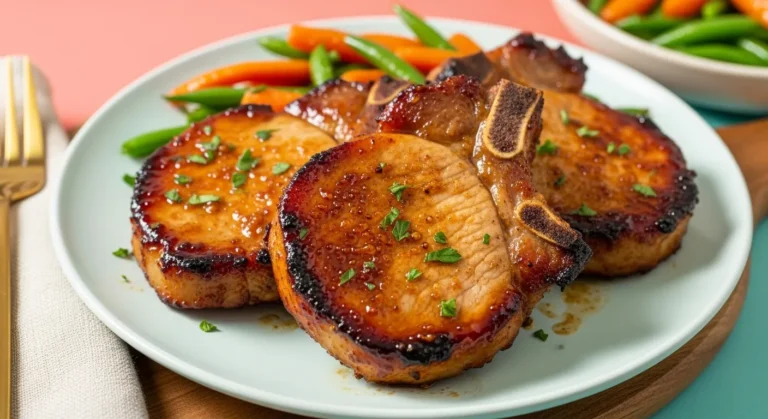
Pairing pork tenderloin bombs with sides that balance sweet and savory flavors works well. Roasted vegetables like Brussels sprouts, carrots, or green beans add texture and freshness.
Mashed potatoes or creamy polenta offer a smooth contrast to the crispy exterior of the pork. For a light option, a crisp salad with a tangy vinaigrette helps cut through the richness of the glaze.
Sauces like mustard-based chutneys, apple sauce, or a light barbecue sauce complement the brown sugar glaze without overpowering it. Keeping sauces on the side lets diners adjust flavors to taste.
Health and Dietary Tips
Pork tenderloin is a lean cut, making it a good protein choice with moderate fat content. The brown sugar glaze adds sweetness but also some sugars to consider in the meal.
Controlling portion size is key to balancing indulgence with nutrition. Serving 3 to 4 oz per person keeps portions moderate.
For lower sodium options, reduce added salt or soy sauce in the glaze. Using fresh herbs and citrus can enhance flavor without extra calories.
Leftovers store well in the fridge for up to four days, allowing easy meal prep without sacrificing taste or quality.
Frequently Asked Questions
What is the ideal internal temperature for pork tenderloin?
The ideal internal temperature for pork tenderloin is 145°F (63°C). This ensures the meat is safe to eat while staying juicy and tender.
After cooking, the temperature can rise a few more degrees during resting.
Can the glaze be made with alternative sweeteners?
Yes, the glaze can use honey, maple syrup, or agave instead of brown sugar. These sweeteners create a sticky, caramelized coating but may change the flavor slightly.
Adjust amounts to balance sweetness.
What are the best side dishes to pair with this pork dish?
Roasted vegetables like Brussels sprouts or sweet potatoes complement the sweet and savory glaze. Mashed potatoes or buttered egg noodles offer hearty, mild sides.
Tangy barbecue sauce or ranch dressing work well for dipping.
How long should the pork rest before serving?
Pork tenderloin should rest for about 3 minutes after cooking. Resting lets the juices settle, making the meat more moist and flavorful when sliced.
What type of brown sugar is preferred for the glaze?
Light or dark brown sugar can be used. Dark brown sugar adds a deeper molasses flavor, while light brown sugar gives a milder sweetness.
Choice depends on personal taste preference.
Is it possible to prepare this recipe on a grill?
Yes, the pork tenderloin bombs can be cooked on a grill.
Sear them over medium-high heat for a caramelized crust.
Then move to indirect heat to finish cooking without burning the glaze.
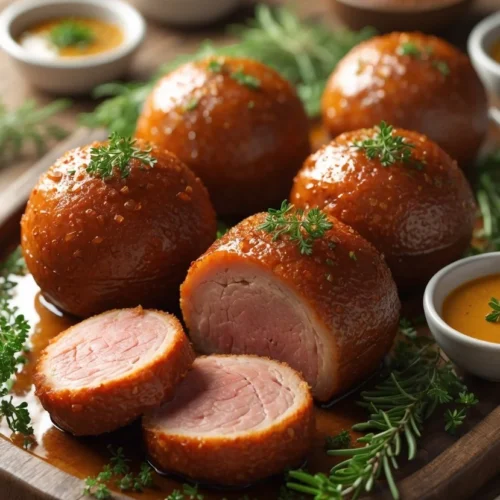
Crispy Brown Sugar Glazed Pork Tenderloin Bombs
Equipment
- 1 Large skillet For searing the pork and creating the glaze.
- 1 Mixing Bowl To prepare the seasoning mix.
- Optional Meat Thermometer To ensure the pork reaches an internal temperature of 145°F (63°C).
Ingredients
For the Pork
- 2 Pork tenderloins About 1 lb each; trimmed and cut into 1-inch medallions.
- 2 tbsp Olive oil For searing.
- 2 tbsp Unsalted butter Adds richness and helps caramelize the glaze.
For the Seasoning Mix
- ¼ cup Light or dark brown sugar Dark brown sugar adds deeper molasses flavor.
- 1 tsp Smoked paprika Adds subtle smokiness.
- 1 tsp Garlic powder Enhances savory depth.
- 1 tsp Onion powder Complements garlic powder.
- ½ tsp Salt Adjust to taste.
- ¼ tsp Black pepper Freshly ground preferred.
Optional Garnish
- 2 tbsp Fresh parsley Chopped for garnish.
Instructions
Step-by-Step Recipe
Trimming and Portioning the Pork:
- Remove any excess fat or silver skin from the pork tenderloins.
- Slice each tenderloin into 1-inch thick medallions for even cooking.
Proper Seasoning and Flavor Infusion:
- In a small bowl, mix together brown sugar, smoked paprika, garlic powder, onion powder, salt, and black pepper.
- Coat the pork pieces thoroughly with the seasoning blend, ensuring every side is covered.
- Let the pork sit in the seasoning for 5–10 minutes to absorb flavors.
Searing for Ultimate Crispiness:
- Heat olive oil and butter in a large skillet over medium-high heat until hot and sizzling.
- Add the pork pieces in a single layer, avoiding overcrowding. Cook in batches if necessary.
- Sear each piece for 3–4 minutes per side until golden brown and caramelized.
Glazing and Finishing Techniques:
- Reduce the heat to medium-low. Spoon pan juices over the pork to form a sticky, glossy brown sugar glaze.
- Cook for an additional 2–3 minutes, allowing the glaze to caramelize without burning.
- Remove the pork from heat and let it rest for 3 minutes to redistribute juices.
- Garnish with chopped parsley before serving.
Notes
- Resting: Letting the pork rest after cooking ensures juiciness and prevents dryness.
- Alternative Sweeteners: Honey, maple syrup, or agave can replace brown sugar for a different flavor profile.
- Grilling Option: Sear the pork on a grill over medium-high heat, then move to indirect heat to finish cooking without burning the glaze.
- Storage: Store leftovers in an airtight container in the refrigerator for up to 4 days.
Frequently Asked Questions
- What is the ideal internal temperature for pork tenderloin?
- The ideal internal temperature is 145°F (63°C). After cooking, let the pork rest for 3 minutes to allow juices to settle.
- Can the glaze be made with alternative sweeteners?
- Yes, honey, maple syrup, or agave can replace brown sugar. Adjust amounts to balance sweetness.
- What are the best side dishes to pair with this pork dish?
- Roasted vegetables like Brussels sprouts or sweet potatoes, mashed potatoes, or buttered egg noodles work well.
- How long should the pork rest before serving?
- Rest the pork for about 3 minutes after cooking to ensure it stays juicy.
- What type of brown sugar is preferred for the glaze?
- Light or dark brown sugar works. Dark brown sugar adds a deeper molasses flavor, while light brown sugar gives a milder sweetness.
- Is it possible to prepare this recipe on a grill?
- Yes, sear the pork over medium-high heat for a caramelized crust, then move to indirect heat to finish cooking.
Tips & Tricks
- Flavor Enhancement: Add a splash of apple cider vinegar or citrus juice to the seasoning mix for brightness.
- Presentation: Arrange the pork bites on a platter with toothpicks for easy serving. Drizzle leftover glaze over the top for extra shine.
- Leftovers: Use leftover pork in sandwiches or wraps with a dollop of mustard or barbecue sauce for added flavor.
Plating and Garnishing
- Garnish: Sprinkle chopped parsley or chives over the pork for freshness and color.
- Serving Style: Serve the pork bites on a bed of mashed potatoes or alongside roasted vegetables. Include dipping sauces like mustard or ranch for variety.
- Pairings: Pair with creamy polenta, buttered egg noodles, or a crisp salad with a tangy vinaigrette for balance.