Garlic Butter Steak Bites: The Ultimate Guide to Flavorful Bites
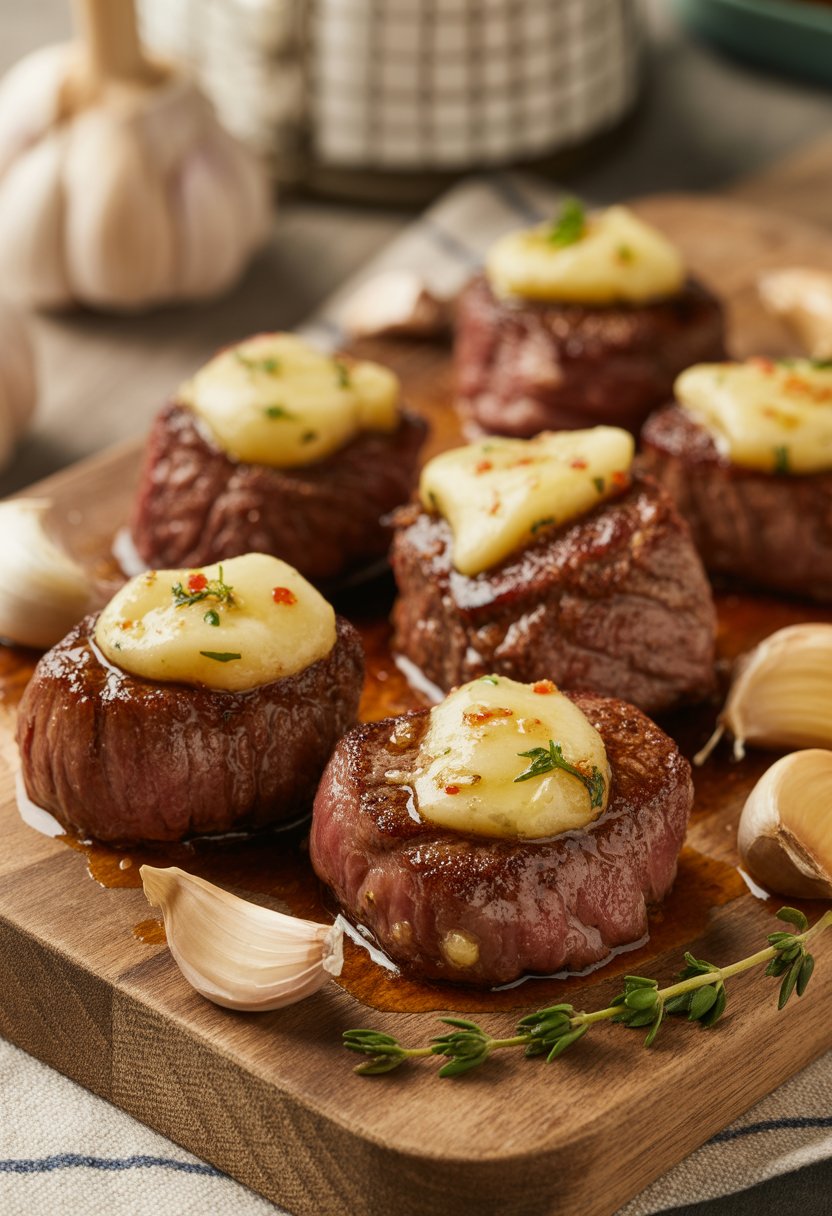
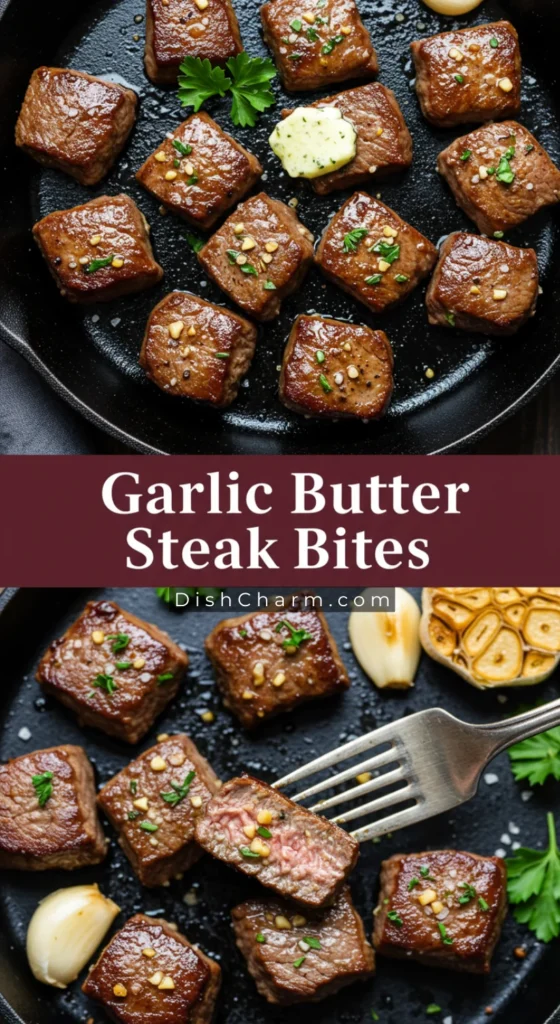
Garlic butter steak bites make a simple meal feel satisfying without much effort. These small, tender pieces of steak cook quickly and soak up rich garlic butter, giving every bite a balance of flavor and texture.
They offer a fast way to enjoy the taste of a steakhouse dinner at home in less than twenty minutes.
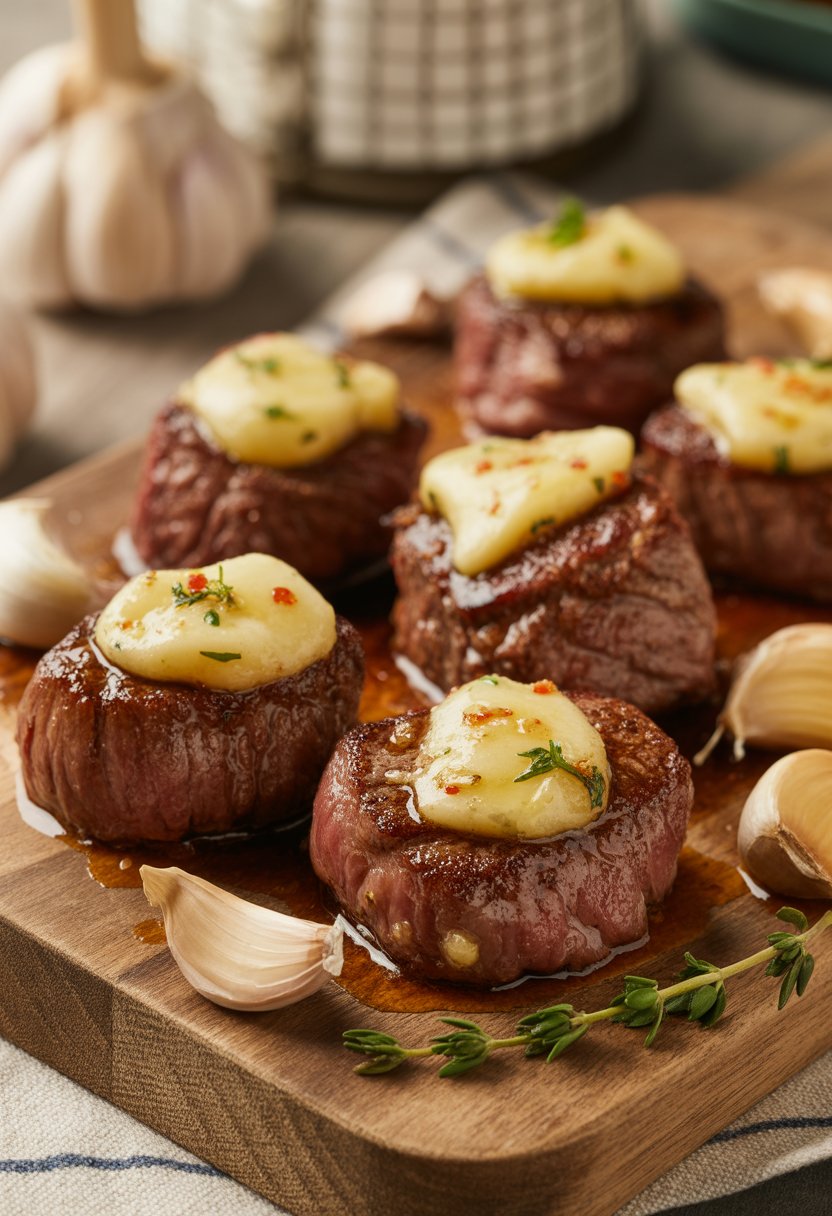
This dish works well for both weeknights and casual gatherings. The bite-sized pieces fit easily into a skillet, sear evenly, and pair with many sides like potatoes, rice, or vegetables.
With only a few ingredients and straightforward steps, it delivers consistent results without requiring marinating or complicated prep.
What Are Garlic Butter Steak Bites?
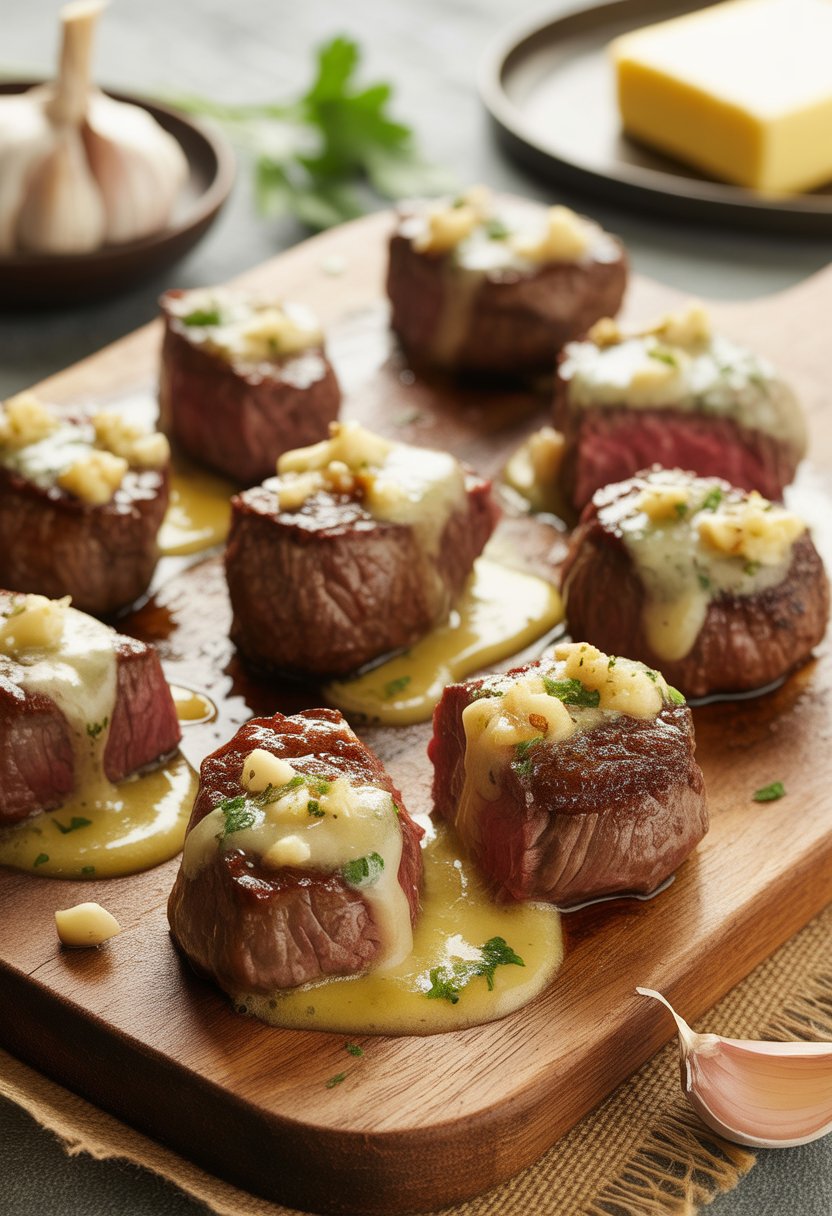
Garlic butter steak bites are small, pan-seared pieces of beef cooked quickly in a hot skillet and coated in a simple garlic butter sauce. They highlight the natural flavor of tender steak while offering a faster and more versatile alternative to cooking whole cuts.
Defining Steak Bites
Steak bites are bite-sized cubes of beef cut from tender and flavorful steaks. Common choices include sirloin, ribeye, strip steak, or tri-tip, with sirloin being the most affordable and widely used option.
Unlike stew meat, which often comes from tougher cuts, steak bites rely on cuts that cook quickly and stay juicy. Each piece is typically about 1 to 1 ½ inches in size, making them easy to sear evenly.
They are not a separate cut of meat but rather a preparation method. By cutting the steak before cooking, the surface area increases, which allows for more browning and better absorption of sauces like garlic butter.
Key Characteristics
Garlic butter steak bites stand out for their speed, flavor, and texture. They can be cooked in under 15 minutes, making them convenient for weeknight dinners.
The high heat searing creates a browned crust on the outside while keeping the inside tender. The garlic butter sauce adds richness with only a few ingredients.
Fresh garlic is often preferred over jarred versions, as its sharper flavor balances the fattiness of the butter and beef. They can be seasoned simply with salt and pepper or enhanced with herbs like parsley or rosemary.
Some cooks also add a splash of wine or mustard to deepen the flavor. These characteristics make garlic butter steak bites appealing for anyone who wants steakhouse-style flavor without the time commitment of a full steak dinner.
Popular Uses
Garlic butter steak bites can serve as both a main course and an appetizer. When plated as a meal, they pair well with potatoes, rice, or noodles, along with vegetables like broccoli, Brussels sprouts, or peas.
As an appetizer, they are often served with toothpicks for easy eating. Their small size makes them convenient for sharing at gatherings or parties.
They also adapt well to different serving styles. Some people place them over mashed potatoes for a hearty dinner, while others use them in grain bowls or alongside a salad.
Because they cook quickly and require minimal prep, garlic butter steak bites fit into both casual weeknight meals and more festive occasions.
Choosing the Best Steak for Steak Bites
The right cut of beef makes a big difference in tenderness, flavor, and cooking results. Leaner cuts bring a firmer texture, while marbled cuts provide more richness and juiciness when seared in a hot skillet.
Top Sirloin vs. Strip Steak
Top sirloin is one of the most common choices for steak bites. It is lean, moderately tender, and has a bold beef flavor without being overly fatty.
Because it is affordable and widely available, many cooks prefer it for everyday meals. Strip steak (often called New York strip) offers more marbling than sirloin.
This added fat helps the meat stay juicy and adds a slightly buttery taste when cooked quickly. The texture is firmer than ribeye but still tender enough for bite-sized pieces.
When comparing the two, sirloin is the more budget-friendly option, while strip steak provides a richer experience. Both cuts sear well in a hot pan, making them reliable choices for garlic butter steak bites.
Other Recommended Cuts
Several other cuts also work well for this dish. Ribeye is highly marbled, which makes it especially juicy and flavorful, though it is often more expensive.
Tenderloin (filet mignon) is the softest cut, with a mild flavor and buttery texture, ideal for those who prefer tenderness over bold beefiness.
Each cut has trade-offs:
- Ribeye: Juicy, rich, higher cost
- Tenderloin: Very tender, mild flavor, premium price
- Sirloin: Lean, flavorful, affordable
- Strip steak: Balanced marbling, firm yet tender
Choosing between them depends on budget, flavor preference, and desired texture.
Selecting Quality Meat
Beyond the cut, quality determines the final result. Look for beef with bright red color, fine marbling, and minimal excess liquid in the packaging.
Marbling ensures the steak stays moist, while a firm texture signals freshness. Thickness also matters.
Steak that is at least 1 inch thick cuts into cubes more evenly and sears better in a skillet. When possible, choosing USDA Choice or Prime grades provides better marbling than Select.
Buying from a trusted butcher can also help ensure consistent quality. Freshness and even cutting are key to achieving tender, flavorful steak bites.
Essential Ingredients for Garlic Butter Steak Bites
The rich taste of this dish comes from a few simple ingredients that work well together. Steak provides the base, but butter, garlic, and seasonings bring out the depth of flavor and balance the richness of the meat.
Butter and Its Role
Butter forms the foundation of the sauce that coats the steak bites. It adds richness, helps carry flavor, and creates a silky texture that clings to the meat.
Most cooks prefer unsalted butter because it allows better control over seasoning. If salted butter is used, the amount of added salt should be reduced to avoid an overly salty dish.
When heated in a skillet, butter browns slightly and develops nutty notes. This enhances the seared steak pieces and deepens the flavor.
Butter also helps release and combine the browned bits from the pan, creating a natural sauce without extra ingredients.
Fresh Garlic for Maximum Flavor
Garlic is the most important flavoring in this dish. Using fresh garlic cloves instead of jarred or pre-minced garlic makes a clear difference in taste.
Freshly chopped cloves release oils that give a strong, clean aroma. This freshness pairs well with the richness of the butter and the savory meat.
The garlic should be sautéed gently in butter over medium-low heat. Cooking it too quickly or at high heat can cause it to burn, which makes it bitter.
Adding the garlic after the steak is seared ensures it cooks just enough to soften and infuse the butter without overpowering the dish.
Seasonings and Herbs
Simple seasonings bring balance without covering the natural taste of the steak. Kosher salt and black pepper are the basics.
Salt enhances the meat’s flavor, while pepper adds a mild heat and aroma. Fresh herbs can be added at the end for brightness.
Fresh parsley is the most common choice, giving a clean, mild flavor and a touch of color. For extra depth, cooks may use thyme, which adds an earthy, herbal note that works well with beef and garlic.
These herbs should be added sparingly so they complement rather than dominate the dish.
Step-by-Step Cooking Instructions
Cooking garlic butter steak bites requires careful prep, high heat for searing, and a simple sauce that enhances the meat without overpowering it. Each step focuses on building flavor and texture while keeping the process efficient.
Preparing and Seasoning the Steak
Start with 1 ½ to 2 pounds of steak such as sirloin, ribeye, or New York strip. Trim excess fat and cut the steak into even, bite-sized cubes about 1 inch thick.
This size helps the pieces cook quickly and evenly. Pat the steak cubes dry with paper towels.
Removing surface moisture ensures better browning in the skillet. If the meat is wet, it will steam instead of sear.
Season the steak generously with salt and black pepper. Some cooks also add a light sprinkle of garlic powder or smoked paprika, but keeping it simple allows the garlic butter sauce to shine later.
Arrange the pieces on a plate in a single layer so they are ready to go into the hot skillet without crowding.
Searing in a Cast Iron Skillet
A cast iron skillet works best because it holds and distributes heat evenly. Preheat the skillet over medium-high heat until it is very hot.
A drop of water should sizzle and evaporate almost instantly. Add a small amount of oil with a high smoke point, such as canola or avocado oil.
Avoid butter at this stage since it burns quickly at high heat. Place the steak pieces in the skillet in a single layer.
Do not overcrowd them. Leave space between each piece so they sear instead of steaming.
Cook for about 2 to 3 minutes per side without moving them too much. This creates a browned crust while keeping the inside juicy.
Remove the steak from the pan once seared and set aside on a plate.
Making the Garlic Butter Sauce
Reduce the heat to medium before starting the sauce. Add 2 to 3 tablespoons of butter to the same skillet.
Let it melt and pick up the browned bits left from the steak. Add minced garlic to the butter and cook for 30 to 60 seconds.
Stir often to prevent burning, since garlic can turn bitter if it browns too much. For added flavor, stir in a pinch of red pepper flakes or fresh herbs like parsley or thyme.
The result is a simple but flavorful garlic butter sauce that will coat the steak evenly.
Finishing and Serving
Return the seared steak bites to the skillet and toss them in the garlic butter sauce. Stir until the pieces are well coated and warmed through, usually just 1 to 2 minutes.
Garnish with chopped parsley for freshness and color. A squeeze of lemon juice can also brighten the dish without overpowering the garlic butter.
Serve the steak bites immediately while hot. They pair well with mashed potatoes, rice, or roasted vegetables.
For appetizers, serve them with toothpicks on a platter. Keep portions in a single layer when serving so the butter sauce clings to each piece instead of pooling at the bottom.
Serving Suggestions and Pairings
Garlic butter steak bites taste best when paired with sides that balance their richness. Creamy potatoes, crisp vegetables, and simple breads each add texture and flavor that highlight the savory steak without overpowering it.
Mashed Potatoes and Classic Sides
Mashed potatoes remain one of the most reliable companions for steak bites. Their smooth, buttery texture contrasts with the seared edges of the beef, creating a balanced bite.
Adding cream or sour cream can make them richer, while a touch of garlic ties them to the flavors of the steak. Loaded baked potatoes are another hearty choice.
Toppings like cheese, bacon, and chives provide extra flavor and a bit of crunch. For a lighter option, herbed rice pilaf or polenta can serve as a base, soaking up the garlic butter sauce.
Other classic pairings include mac and cheese or onion rings. Both add comfort-food appeal, with the cheese or crisp batter offering a different kind of richness.
Vegetable Pairings
Vegetables bring freshness and balance to the plate. Roasted Brussels sprouts are especially effective, as their caramelized edges add a mild sweetness that offsets the savory steak.
A simple preparation of olive oil, salt, and pepper works well. Zucchini is another versatile option.
It can be roasted, grilled, or sautéed, and its mild flavor allows the garlic butter from the steak to stand out. Adding Parmesan or fresh herbs gives it extra depth.
Other good choices include asparagus, steamed broccoli, or a crisp green salad. These sides provide vitamins and fiber while keeping the meal from feeling too heavy.
Roasting or grilling vegetables also adds texture, which pairs well with the tender steak bites.
Bread and Carb Options
Bread helps soak up the garlic butter sauce, making it a practical addition to the meal. Garlic bread is the most natural choice, with its crisp crust and soft center echoing the flavors already in the steak.
Variations with herbs or cheese can add more interest. A warm baguette or dinner rolls work well for those who prefer something simpler.
They provide a neutral base that does not compete with the steak’s flavor. For a heartier pairing, pasta or rice can be used as a base.
Tossing them lightly in olive oil, butter, or herbs ensures they complement the steak without becoming too heavy.
Recipe Tips, Variations, and Storage
Cooking steak bites well requires attention to timing, heat, and ingredient balance. Small adjustments in preparation, seasoning, and storage methods make a big difference in both flavor and texture.
Expert Cooking Tips
For the best sear, they should pat the steak cubes completely dry with paper towels before seasoning. Moisture on the surface prevents browning and leads to steaming instead of crisp edges.
A heavy skillet, such as cast iron, works best because it holds high heat. The pan must be very hot before adding the meat.
Placing the steak in a single layer without crowding ensures even browning. Cooking in batches is often necessary.
Seasoning should be simple but generous. Salt, pepper, and garlic powder provide a solid base.
Letting the meat rest at room temperature for 20–30 minutes before cooking promotes even doneness. To avoid toughness, the steak should not be overcooked.
A thermometer helps: 125°F for rare, 130°F for medium-rare, and 135°F for medium. Resting the bites for a couple of minutes after cooking allows juices to redistribute.
Flavor Variations
Different cuts of beef can change the flavor and texture. Sirloin is lean and balanced, while ribeye adds more richness due to marbling.
Strip steak also works well for a firmer bite. The butter sauce can be adjusted to taste.
Adding fresh herbs like thyme or rosemary gives an earthy note. Red pepper flakes or smoked paprika add a mild heat.
Lemon juice or zest brightens the dish and balances the richness of the butter. For a creamy twist, a small amount of heavy cream or Parmesan can be stirred into the sauce.
Those who prefer lighter flavors can use olive oil in place of some butter. Pairings also affect taste.
Serving over rice, mashed potatoes, or roasted vegetables changes the overall profile. A low-carb option is to use cauliflower rice or sautéed greens as the base.
Storing and Reheating Leftovers
Leftover steak bites should be cooled and stored in an airtight container in the refrigerator for up to 3 days. For best results, store the garlic butter sauce separately if possible to prevent sogginess.
Freezing is less ideal but possible. Wrap portions tightly in plastic wrap and foil, then store for up to 2 months.
Thaw overnight in the refrigerator before reheating. Reheating should be gentle to avoid drying the meat.
A skillet over medium-low heat with a small amount of butter works best. Stirring occasionally helps warm the pieces evenly.
Microwaving is not recommended because it often makes the steak chewy. For make-ahead prep, the steak can be cut and seasoned up to 24 hours in advance.
The garlic butter mixture can also be prepared ahead and combined during cooking for freshness.
Frequently Asked Questions
The quality of the steak cut, the cooking method, and the right seasonings all affect tenderness and taste. Proper use of garlic butter and attention to cooking details help prevent common mistakes and improve results.
What is the best cut of steak to use for making steak bites?
Top sirloin is often recommended because it balances tenderness, flavor, and cost. Ribeye and New York strip also work well since they have good marbling and strong beef flavor.
Tenderloin can be used for maximum tenderness, though it is more expensive and has a milder taste.
How can you ensure steak bites are full of flavor?
High heat searing locks in juices and creates a crust. Adding garlic butter at the end of cooking prevents burning and builds a rich sauce.
Using fresh herbs like thyme or rosemary enhances the overall taste without overpowering the beef.
Which seasonings complement garlic butter steak bites the best?
Coarse salt and freshly ground black pepper are essential. Garlic powder, onion powder, or a pinch of red pepper flakes can add depth.
Fresh parsley or chives stirred in at the end provide a light, fresh finish.
What are the typical errors to avoid when making garlic butter?
Adding butter too early can cause it to burn, leaving a bitter flavor. Garlic also burns quickly if cooked over high heat, so it should be added after lowering the temperature.
Using salted butter can make the dish overly salty if not adjusted carefully.
How can garlic butter steak bites be prepared using an air fryer?
Cut the steak into even cubes and season them before cooking. Place them in a single layer in the air fryer basket and cook at about 400°F for 6–8 minutes, shaking halfway through.
Toss the cooked bites in melted garlic butter immediately after cooking.
What side dishes pair well with garlic butter steak bites?
Mashed potatoes or roasted potatoes work well by soaking up the garlic butter sauce.
Steamed vegetables, such as broccoli or green beans, add balance to the richness.
Rice, pasta, or a crisp salad can also serve as fitting accompaniments.