Italian Christmas Cookies (Soft Anise Cookies With Glaze)
Italian Christmas cookies are the ones that always catch your eye on a holiday cookie tray. They’re pale little domes dipped in white glaze and showered with rainbow nonpareils, and they look like they came from an Italian bakery.
The texture is what surprises people. These aren’t crisp or chewy. They’re soft and cake-like, almost like a tiny muffin top, and the sweet glaze on the outside is what makes them so easy to eat three in a row.
The traditional flavor is anise, which tastes a little like licorice and is very much part of an Italian-American Christmas. If anise isn’t your family’s thing, lemon or almond works beautifully with exactly the same dough.
I make a big batch of these every December. They come together quickly, they keep well for several days, and they’re the cookies people always ask me about.
Why You’ll Love These Italian Christmas Cookies
- Soft and cake-like. A completely different texture from every other cookie on the tray.
- They look festive with no skill. Dip and sprinkle, and they’re instantly beautiful.
- Makes 36 cookies. Great for cookie swaps and gift boxes.
- No rolling or cutting. Just roll the dough into balls.
- Flexible flavor. Anise, lemon, almond or orange, all from one dough.
- Make-ahead friendly. Bake one day, glaze the next.
What Makes This Recipe Work
The soft, cakey texture comes from a full tablespoon of baking powder and three whole eggs. That’s a lot of lift for one batch of cookies, and it pushes the dough up into little domes rather than letting it spread flat. The eggs add protein and moisture, which gives you a tender crumb instead of a snap.
The other thing that matters is keeping the tops pale. You want to pull these out while they’re still almost white on top, with just a hint of gold on the bottom. Baked any longer, they dry out and lose that soft, bakery-style crumb. The glaze then adds sweetness and seals in the moisture, which is why these stay good for days.
Ingredients You’ll Need
The exact amounts are in the recipe card at the end of this post. Here’s what each one brings.
- All-purpose flour: Spoon it into the cup and level it off. Three cups sounds like a lot, but the dough needs to be soft and sticky, not stiff.
- Baking powder: A full tablespoon, and it must be fresh. This is what gives these cookies their puffy, cakey rise. Old baking powder gives you flat, dense discs.
- Unsalted butter: Only half a cup. These cookies are deliberately lower in fat than a chewy cookie, which is part of why the texture is light and cakey.
- Granulated sugar: Just 3/4 cup in the dough. The cookies themselves are only lightly sweet, because the glaze adds most of the sweetness.
- Eggs: Three large eggs at room temperature. They do most of the structural work here.
- Anise extract: The classic flavor. Look for it in the baking aisle near the vanilla. A teaspoon gives a clear but gentle licorice note.
- Vanilla extract: Softens and rounds out the anise so it doesn’t taste medicinal.
- Whole milk: A quarter cup loosens the dough to the right soft, scoopable consistency.
- Powdered sugar: For the glaze. Sift it, or you’ll be chasing lumps around the bowl.
- Nonpareils: The tiny round rainbow sprinkles. They hold their color in glaze better than jimmies, which can bleed.
Ingredient Substitutions and Swaps
- Lemon version: Replace the anise extract with lemon extract and add the zest of one lemon to the dough. Use lemon juice instead of milk in the glaze.
- Almond version: Use almond extract in both the dough and the glaze for a marzipan-like flavor.
- No extract at all: Use 2 teaspoons of vanilla total. The cookies will be plainer but still lovely.
- Ricotta version: Add 1/2 cup whole-milk ricotta and skip the milk. The crumb gets even softer and more tender.
- Dairy free: Use baking stick margarine and any unsweetened plant milk in both the dough and glaze.
Equipment You’ll Need
- Electric mixer: A hand mixer is plenty. The dough is soft, so it mixes easily.
- Two baking sheets with parchment: Parchment keeps these pale-bottomed, which is what you want.
- Wire rack set over a tray: For glazing. The tray catches the drips so cleanup is simple.
- Small deep bowl: Easier for dipping the cookie tops than a wide shallow one.
- Cookie scoop: Optional, but keeps the cookies uniform so they bake evenly.
How to Make Italian Christmas Cookies
- Prep. Preheat the oven to 350°F (175°C) and line two baking sheets with parchment paper.
- Whisk the dry ingredients. Combine the flour, baking powder and salt in a medium bowl. Make sure the baking powder is evenly distributed so the cookies rise the same.
- Cream and add the eggs. Beat the butter and sugar on medium for 2 minutes, then add the eggs one at a time. Beat in the anise and vanilla. The batter may look slightly curdled, which is completely normal with this ratio of egg to butter.
- Alternate the flour and milk. Add half the flour mixture on low speed, then the milk, then the rest of the flour. Mix just until a soft, sticky dough comes together.
- Roll into balls. Scoop rounded tablespoons and roll each between lightly dampened hands. Damp hands keep the sticky dough from clinging to you. Space them 2 inches apart.
- Bake until just set. Bake 10 to 12 minutes. The cookies should be puffed and firm to a light touch, with pale tops and barely golden bottoms. Do not wait for color on top.
- Cool completely. Rest on the pan 5 minutes, then move to a rack and cool for about 20 minutes. Glaze applied to warm cookies soaks in and vanishes.
- Glaze and sprinkle. Whisk the powdered sugar, milk and extract until smooth and thick enough to coat a spoon. Dip each cookie top, let the excess drip off, then add nonpareils immediately before the glaze sets. Let the glaze dry 30 minutes before stacking.
My Tips for the Best Italian Christmas Cookies
- Keep a small bowl of water nearby while rolling. Re-dampen your hands every few cookies.
- Test your baking powder first. Drop 1/2 teaspoon into hot water, and if it doesn’t fizz energetically, buy a new tin.
- Get the glaze consistency right. It should fall off the whisk in a thick ribbon. Too thin and it runs off, too thick and it sits in a heavy lump.
- Sprinkle in batches of five or six cookies. Glaze skins over faster than you’d expect.
- Don’t flatten the dough balls. The domed shape is what gives them their bakery look.
- Taste the glaze before you dip. That’s where you adjust the anise or lemon to your liking.
Common Mistakes to Avoid
- Overbaking. This is the big one. Golden-brown tops mean dry cookies. Pull them while still pale and let the residual heat finish the job.
- Glazing warm cookies. The glaze melts into the cookie and you lose the white coating entirely. Wait until they’re fully cool.
- Too much anise. Anise extract is strong. One teaspoon in the dough is plenty, and more starts tasting like cough syrup.
- Adding flour to fix sticky dough. The dough is supposed to be sticky. Extra flour gives you dry, heavy cookies. Use damp hands instead.
- Using jimmies instead of nonpareils. The long sprinkles can bleed color into wet glaze and look muddy. Round nonpareils hold up.
Variations to Try
- Red and green glaze: Divide the glaze and tint half red and half green for a Christmas tray.
- Lemon drop cookies: Lemon extract, lemon zest and a lemon juice glaze. Bright and completely different.
- Orange anise: Add the zest of one orange to the dough alongside the anise.
- Chocolate dipped: Skip the glaze and dip the bottoms in melted dark chocolate instead.
- Italian wedding cookies: Add 1/2 cup finely chopped toasted almonds to the dough.
- Mini version: Use teaspoon-sized balls and bake 7 to 9 minutes for bite-sized cookies.
Make-Ahead, Storage, Freezing and Reheating
- Make ahead: The dough keeps covered in the refrigerator for 2 days. You can also bake the cookies a day ahead and glaze them the day you serve.
- Room temperature: Airtight container for up to 5 days, with parchment between the layers so the glaze doesn’t stick.
- Refrigerator: Not needed, and the cold makes the crumb firmer.
- Freezer: Freeze unglazed cookies up to 3 months in a sealed container. Thaw at room temperature, then glaze. Glazed cookies can be frozen too, but the sprinkles may lose a little color.
- Reheating: Not needed. These are meant to be eaten at room temperature.
What to Serve With It
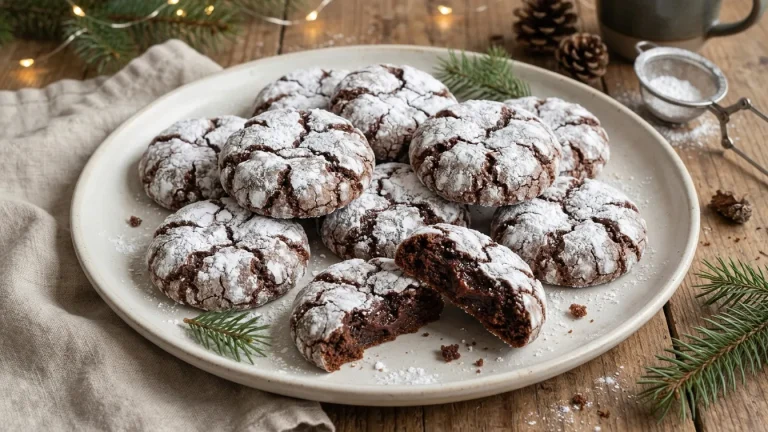
These belong on a mixed tray where their soft texture stands out. I pair them with something buttery and something fudgy, like my Classic Shortbread Cookies and Chocolate Crinkle Cookies. Alongside a few Soft and Chewy Snickerdoodles, you’ve got a tray that covers every texture.
For drinks, anise is wonderful with strong coffee or espresso, which is exactly how these are served in Italian homes. They’re also a good match for a glass of dessert wine or a cup of tea after a big holiday dinner.
Frequently Asked Questions
What do anise cookies taste like? Anise has a gentle licorice or fennel flavor. In these cookies it’s mild and warm rather than sharp, especially once the sweet glaze is on top.
Where do I find anise extract? In most American grocery stores it’s in the baking aisle with the vanilla and almond extracts. Italian delis and online shops carry it too.
Why are my cookies flat instead of domed? Usually old baking powder, or too much milk. Test your baking powder in hot water first, and measure the milk carefully.
Why is my dough so sticky? It’s meant to be. This is a soft, high-egg dough. Dampen your hands rather than adding flour, which would make the cookies dry.
Can I make these without the glaze? You can, but the glaze does a lot of work here. These cookies are only lightly sweet, so without it they taste quite plain.
How do I keep the glaze from running off? Make it thicker. Add powdered sugar a tablespoon at a time until it coats the back of a spoon without dripping straight off.
Are these the same as Italian ricotta cookies? They’re close cousins. Ricotta cookies use ricotta for an even softer crumb, and this recipe includes a ricotta variation if you want to try it.
Can I double the batch? Yes. Everything scales cleanly, and you’ll want about 1 1/2 times the glaze if you like a thick coating.
One Last Thing
These Italian Christmas cookies are the prettiest thing you can make with the least effort. If you bake them, please leave a comment and a star rating below, and tell me whether your family is team anise or team lemon. And save the recipe to your Christmas cookies board on Pinterest!
Italian Christmas Cookies
Ingredients
Cookies:
- 3 cups all-purpose flour spooned and leveled
- 1 tbsp baking powder fresh, not expired
- 1/2 tsp salt
- 1/2 cup unsalted butter softened
- 3/4 cup granulated sugar
- 3 large eggs room temperature
- 1 tsp anise extract or lemon extract
- 1 tsp vanilla extract
- 1/4 cup whole milk
Glaze and topping:
- 2 cups powdered sugar sifted
- 3 tbsp whole milk plus more as needed
- 1/2 tsp anise extract or vanilla
- 1/3 cup rainbow nonpareils or red and green sprinkles
Instructions
- Preheat the oven to 350°F (175°C) and line two baking sheets with parchment paper.
- Whisk the flour, baking powder and salt together in a medium bowl and set aside. The generous amount of baking powder is what gives these cookies their soft, cakey lift.
- Beat the butter and granulated sugar on medium speed for 2 minutes. Add the eggs one at a time, then beat in the anise and vanilla extracts. The batter may look slightly curdled, which is normal.
- Add half the flour mixture and mix on low, then the milk, then the rest of the flour. Mix just until a soft, sticky dough forms.
- Scoop rounded tablespoons of dough and roll them into balls with lightly dampened hands. Place them 2 inches apart on the sheets.
- Bake 10 to 12 minutes, until the cookies are puffed and set and the bottoms are barely golden. The tops should stay pale, so do not wait for color on top.
- Cool on the pan 5 minutes, then move to a wire rack and cool completely, about 20 minutes. Glazing warm cookies makes the glaze soak in and disappear.
- Whisk the powdered sugar, 3 tbsp milk and anise extract until smooth and thick enough to coat a spoon. Dip the top of each cookie, let the extra drip off, then add nonpareils right away before the glaze skins over.
- Set the glazed cookies on a rack and let the glaze dry for about 30 minutes before stacking them.
Notes
Storage: Airtight container at room temperature for up to 5 days, with parchment between layers.
Freezing: Freeze unglazed cookies up to 3 months. Thaw, then glaze.
Reheat: Not needed. Serve at room temperature.
Variations: Use lemon extract and lemon zest for lemon drop cookies, almond extract for a marzipan flavor, tint the glaze red and green, or add 1/2 cup ricotta to the dough for an even softer crumb.