Mexican Beef Quesadillas: Authentic Recipe, Ingredients & Tips
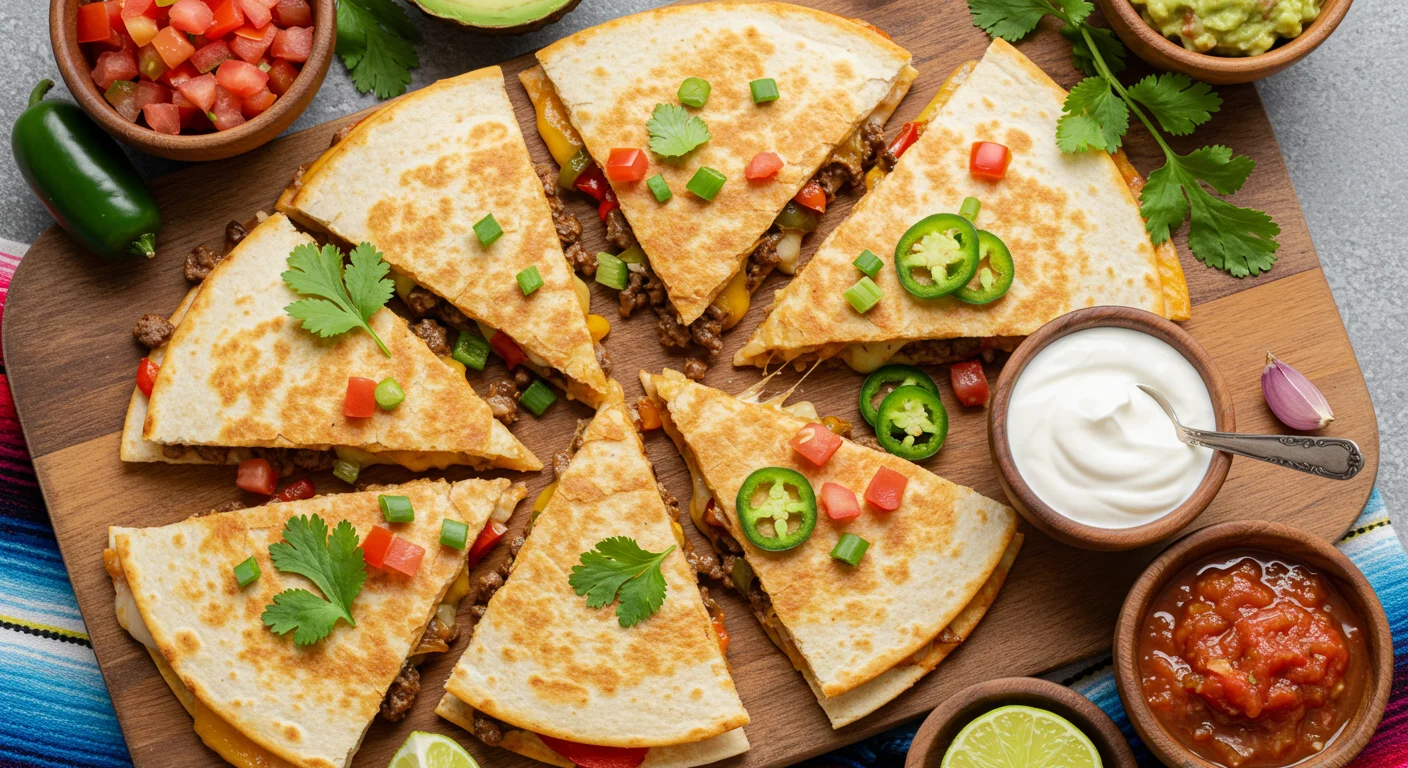
Mexican beef quesadillas bring together tender, seasoned beef, melted cheese, and warm tortillas in a simple yet flavorful dish. They are easy to prepare, versatile enough for different tastes, and filling enough to serve as a full meal or a quick snack.
A Mexican beef quesadilla is a tortilla folded around spiced beef and cheese, cooked until the outside is crisp and the inside is melted and savory.
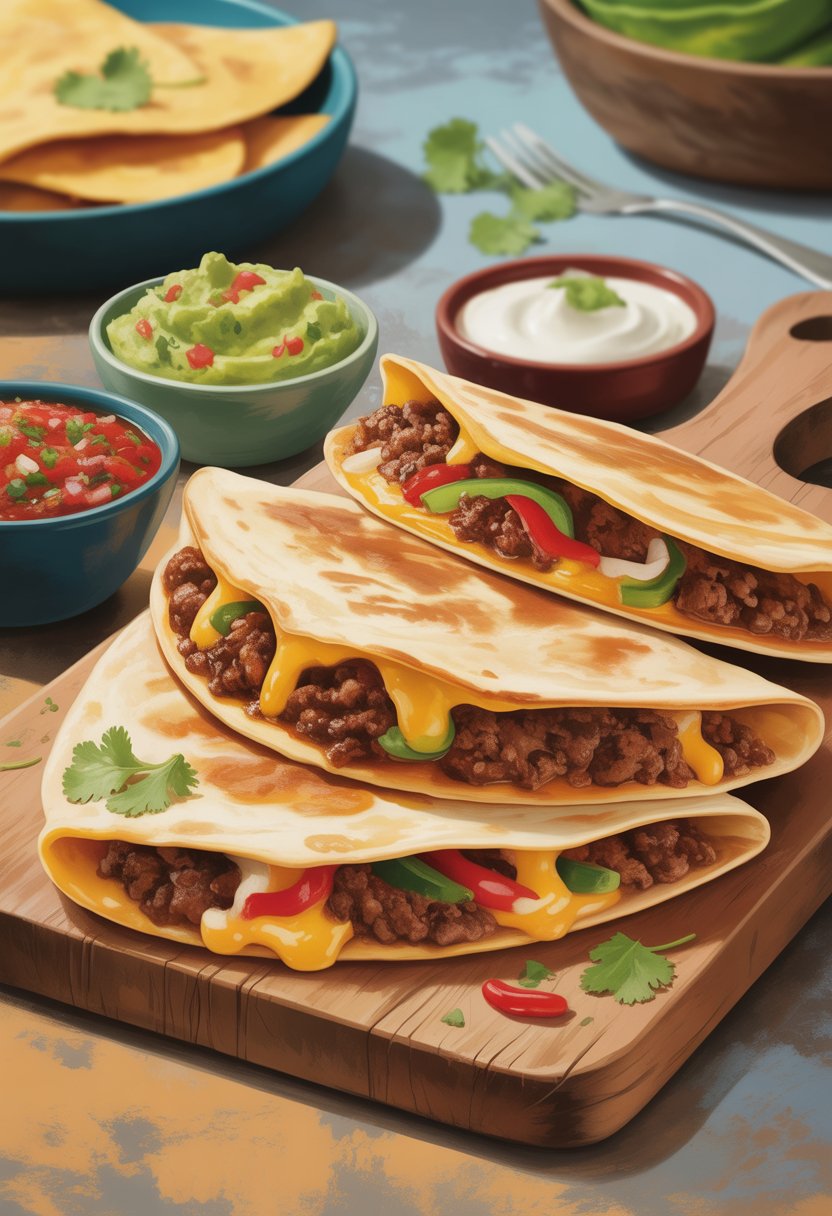
What makes them stand out is their balance of texture and flavor. The tortilla offers a golden crunch, the beef delivers rich seasoning, and the cheese ties everything together.
They can be customized with vegetables, sauces, or spices, making them as traditional or creative as someone prefers.
This guide explores what sets Mexican beef quesadillas apart, the ingredients that matter most, and the steps to prepare them at home.
It also covers ways to serve them, toppings that enhance their flavor, and variations to fit different diets and preferences.
What Makes Mexican Beef Quesadillas Unique?
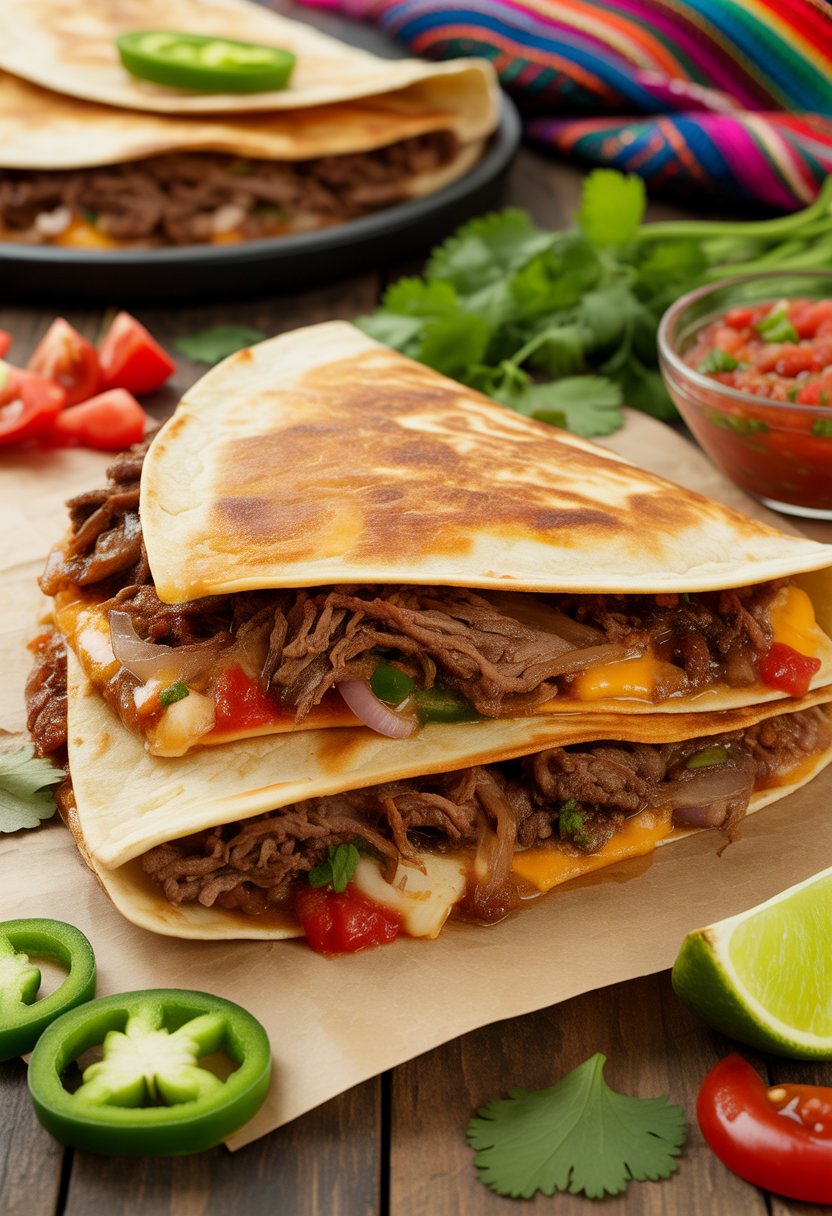
Mexican beef quesadillas stand out because they combine traditional cooking techniques with adaptable ingredients.
They carry a long history rooted in indigenous food practices, while also showing how Mexican cuisine has influenced and blended with Tex-Mex cooking styles.
Their role in everyday street food culture highlights their importance as both a quick snack and a satisfying meal.
Origins and History
Quesadillas trace back to central Mexico, where corn tortillas formed the base of many indigenous dishes.
Early versions often used simple fillings like squash, beans, or huitlacoche before cheese became common.
The word quesadilla itself reflects the later addition of cheese, but the dish’s foundation lies in the tortilla and the practice of folding and heating it on a comal.
Beef became a popular filling after the Spanish introduced cattle to Mexico.
Over time, seasoned beef paired with local spices and fresh tortillas created a dish that balanced Old World proteins with native ingredients.
This blending of traditions helped quesadillas evolve into one of the most recognizable Mexican dishes.
Regional and Tex-Mex Variations
In Mexico, quesadillas vary widely depending on the region.
Northern areas often favor flour tortillas and fillings like machaca or grilled beef.
Central regions may highlight vegetables or mushrooms, while coastal towns sometimes use seafood.
These differences reflect local ingredients and cooking preferences.
Tex-Mex cuisine introduced another layer of variation.
In the United States, beef quesadillas often use flour tortillas, cheddar or Monterey Jack cheese, and heavy seasoning.
They are also commonly served with sour cream, guacamole, and salsa on the side.
A simple comparison shows the contrast:
| Mexico | Tex-Mex |
|---|---|
| Corn tortillas common | Flour tortillas common |
| Oaxacan or Asadero cheese | Cheddar or Monterey Jack |
| Fresh salsa, crema | Sour cream, guacamole |
Both styles are popular, but their flavor and presentation differ based on cultural and regional context.
Mexican Street Food Culture
Quesadillas hold a strong place in Mexican street food, known as antojitos.
Vendors prepare them fresh on a hot comal, often in small stalls or markets.
The smell of tortillas crisping and cheese melting attracts locals and visitors alike.
Street-style beef quesadillas are usually simple but flavorful.
They may include only seasoned beef and cheese, then topped with salsa, onion, and cilantro.
This keeps them affordable and easy to eat by hand.
Unlike restaurant versions, street quesadillas emphasize speed and accessibility.
They are not elaborate dishes but everyday food that people enjoy on the go.
Essential Ingredients for Mexican Beef Quesadillas
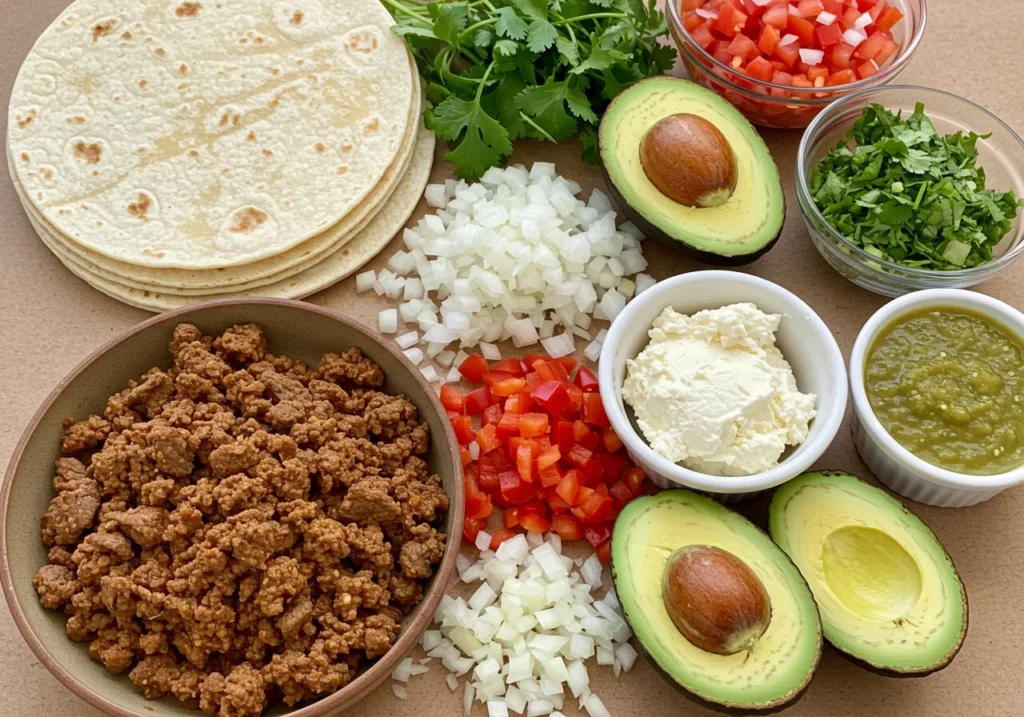
The flavor and texture of beef quesadillas depend on a few core elements: tortillas that hold up well, beef that is seasoned and cooked properly, cheese that melts smoothly, and spices that bring balanced taste.
Each part works together to create a filling, crisp, and flavorful dish.
Choosing the Right Tortillas
Tortillas form the base of any quesadilla, so their type and quality matter.
Flour tortillas are the most common choice because they are soft, flexible, and crisp evenly when heated.
They also fold easily, making them practical for holding beef and cheese without tearing.
Corn tortillas provide a more traditional flavor.
They are smaller, chewier, and have a distinct corn taste that pairs well with seasoned beef.
However, they can be less sturdy, so they work best for smaller quesadillas or when doubled up.
Thickness also matters.
Thin tortillas crisp faster but may break, while thicker ones hold more filling but take longer to cook.
For home cooking, medium-size flour tortillas are often the most reliable option.
Selecting and Preparing Beef
The beef filling is the heart of the quesadilla.
Ground beef is the most common choice because it cooks quickly and absorbs spices well.
Lean ground beef helps avoid excess grease, while an 80/20 blend gives more flavor.
Some prefer sirloin or flank steak, sliced thin, for a richer texture.
These cuts should be cooked to medium and then sliced against the grain for tenderness.
Preparation makes a big difference.
Cooking the beef with onion and garlic adds depth, while draining extra fat keeps the filling from making tortillas soggy.
Once browned, the meat should be simmered briefly with spices to allow the flavors to blend before layering into the quesadilla.
Best Cheese for Quesadillas
Cheese is what holds the quesadilla together, so using the right type is key.
A good quesadilla cheese should melt smoothly and stretch without becoming oily.
Common choices include:
- Monterey Jack – mild flavor, melts well
- Cheddar – sharper taste, adds color
- Pepper Jack – mild heat, creamy texture
- Oaxaca or Queso Asadero – traditional Mexican cheeses with excellent melt
A mix of cheeses often works best.
For example, combining Monterey Jack for melt and cheddar for flavor gives balance.
Pre-shredded cheese is convenient, but freshly shredded cheese melts more evenly and avoids clumping agents found in packaged blends.
Traditional Mexican Seasonings
Seasoning transforms plain beef into a flavorful filling.
Cumin, chili powder, garlic powder, onion powder, and oregano are the most common spices used in a quesadilla recipe.
Together, they create a warm, earthy, and slightly smoky profile.
Salt should be added carefully to bring out flavor without overpowering.
Some cooks use taco seasoning, which blends these spices in measured amounts, though making a mix at home allows for better control.
Fresh ingredients also matter.
Diced onion and minced garlic add aroma, while a pinch of chili flakes or cayenne can increase heat.
Balancing spices ensures the beef complements the cheese and tortilla instead of overwhelming them.
Step-by-Step Guide to Making Mexican Beef Quesadillas
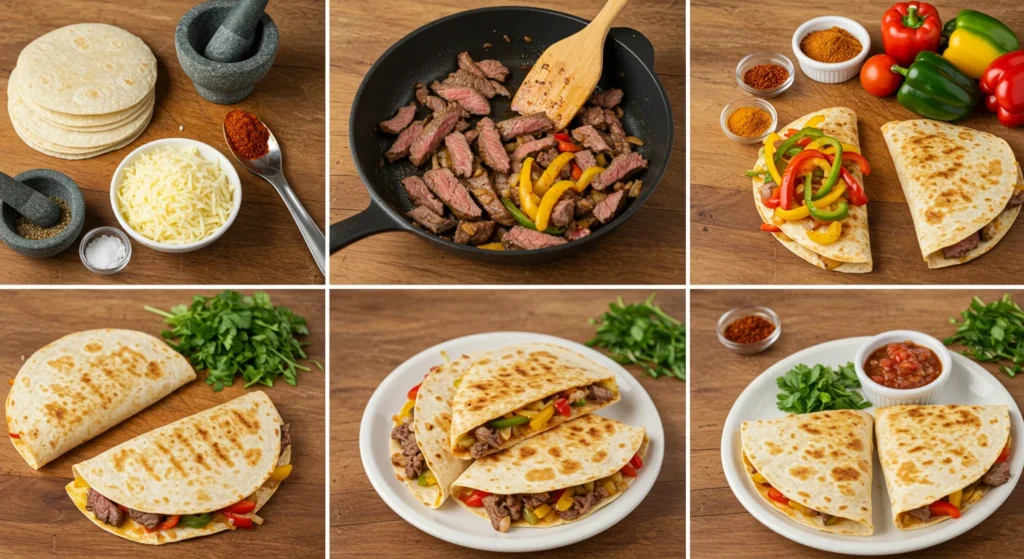
The process involves preparing a seasoned beef filling, layering it with cheese inside tortillas, and cooking until the outside turns crisp and golden.
Using the right heat and tools helps achieve a balance between a flavorful filling and a crunchy tortilla.
Cooking the Beef Filling
Start with a large skillet over medium heat.
Add a small amount of oil or butter to prevent sticking and to enhance flavor.
Once the skillet is hot, place the ground beef in the pan and break it apart with a spatula.
Season the beef with salt, pepper, chili powder, cumin, and garlic powder.
Stir often to ensure the meat cooks evenly and develops a light browning.
This step adds depth of flavor and prevents the filling from tasting flat.
Drain any excess grease after cooking.
Too much liquid can make the tortillas soggy.
If desired, stir in diced onions, bell peppers, or jalapeños for extra texture and taste.
Once finished, keep the beef warm on low heat until ready to assemble.
A well-prepared filling should be flavorful on its own but mild enough to pair well with cheese and tortillas.
Assembling the Quesadillas
Lay out flour tortillas on a flat surface.
Spread a thin layer of beef filling on one half of each tortilla.
Sprinkle shredded cheese, such as cheddar, Monterey Jack, or a Mexican blend, evenly over the beef.
For best results, use about ½ cup of beef and ½ cup of cheese per quesadilla.
This ratio keeps the tortilla from tearing while still giving a rich, satisfying bite.
Fold the tortilla in half to cover the filling.
Press gently to hold everything in place.
Prepare all quesadillas before moving to the skillet to make cooking faster and smoother.
Keep toppings like salsa, guacamole, or sour cream separate until serving.
Adding them inside before cooking can cause the tortilla to soften instead of crisp.
Cooking Techniques for Crispy Quesadillas
Heat a clean skillet or griddle over medium heat.
Lightly coat the surface with butter or oil.
Butter creates a golden, rich crust, while oil gives a slightly lighter crisp.
Both work well depending on preference.
Place each folded tortilla in the skillet.
Cook for 2–3 minutes per side until the tortilla is browned and the cheese melts fully.
Press down gently with a spatula to help the filling stick together.
Avoid high heat, which can burn the outside before the cheese melts.
If making several at once, keep finished quesadillas warm in a low oven until serving.
Cut each quesadilla into wedges with a sharp knife or pizza cutter.
Serve immediately while the tortillas are crisp and the cheese is still melted.
Serving Suggestions and Toppings
Mexican beef quesadillas taste best when paired with sides and toppings that balance their richness.
Simple accompaniments like beans, rice, fresh vegetables, and flavorful dips add variety and make the dish more complete.
Classic Sides and Garnishes
Traditional sides help round out the meal and add texture.
Mexican rice offers a mild, tomato-based flavor that pairs well with the seasoned beef.
Refried beans or black beans bring protein and a creamy consistency that complements the crispy tortilla.
For garnishes, lime wedges are essential.
A quick squeeze of lime juice brightens the beef and cheese.
Avocado slices or a small portion of guacamole add creaminess without overpowering the filling.
A simple side salad with lettuce, tomato, and cucumber can also provide freshness.
Serving quesadillas with these sides creates a balanced plate that feels both hearty and refreshing.
Salsas and Dips
Dips give quesadillas extra flavor and moisture.
Salsa is the most common choice, ranging from mild tomato-based versions to spicier varieties with roasted chilies.
Pico de gallo, made with tomato, onion, cilantro, and lime juice, adds a fresh and chunky texture.
Sour cream provides a cooling contrast to the savory beef and melted cheese.
It works especially well for those who prefer a milder bite.
Guacamole, made from mashed avocados with lime and salt, adds richness and a smooth consistency.
For variety, a spicy chipotle salsa or tangy tomatillo salsa can be served in small bowls alongside the quesadillas.
Offering two or three dips allows guests to mix and match flavors to their taste.
Fresh Herbs and Extras
Fresh toppings finish the dish and add color.
Cilantro is a popular choice, offering a bright, herbal note that cuts through the richness.
A sprinkle of chopped cilantro over hot quesadillas makes them look and taste more vibrant.
Pickled or fresh jalapeños add heat and crunch.
They can be sliced thin and placed on top or served on the side for those who enjoy spice.
Radish slices or diced onions also work as crisp toppings.
For a lighter touch, thinly sliced avocado or a drizzle of lime juice can be added right before serving.
These extras keep the dish balanced and prevent it from feeling too heavy.
Variations and Dietary Adaptations
Mexican beef quesadillas can be adjusted to meet different dietary needs and taste preferences.
Changes in tortillas, fillings, and seasonings allow them to fit gluten-free diets, plant-based eating, or varying spice levels.
Gluten-Free Quesadillas
For those avoiding gluten, corn tortillas are the most common option. They are naturally gluten-free and also provide a more traditional flavor.
Some cooks prefer to use certified gluten-free flour tortillas, which offer a softer texture similar to wheat-based versions. When buying tortillas, it is important to check labels for cross-contamination.
Many brands produce both wheat and corn products in the same facility. Choosing a trusted gluten-free brand ensures safety.
Fillings like seasoned beef, beans, and vegetables are naturally gluten-free. However, sauces and spice mixes should be checked for hidden gluten in thickeners or additives.
Making spice blends at home with chili powder, cumin, and paprika avoids this issue.
Vegetarian and Vegan Options
Although beef is central to the classic quesadilla, meat-free versions are easy to prepare. Mushrooms, black beans, and sautéed peppers create a hearty texture that can replace beef.
Some cooks also use lentils or seasoned tofu for extra protein. For cheese, vegan alternatives made from cashews, almonds, or coconut oil melt well and provide a creamy texture.
Nutritional yeast is another option to add a mild, cheesy flavor. A balanced vegetarian quesadilla often combines several vegetables for flavor and texture contrast.
For example:
- Mushrooms + onions for a savory base
- Spinach + corn for freshness
- Avocado or guacamole for creaminess
Spicy and Mild Flavor Adjustments
Spice level plays a major role in how quesadillas are enjoyed. To increase heat, cooks may add sliced jalapeños, chipotle peppers, or hot salsa.
A sprinkle of chili flakes or a drizzle of habanero sauce also boosts intensity. For a milder version, poblano peppers or bell peppers give flavor without overwhelming heat.
Using mild salsas or tomato-based sauces keeps the dish approachable for children or those sensitive to spice.
A simple table helps compare options:
| Flavor Level | Ingredients to Use |
|---|---|
| Mild | Bell peppers, poblanos, mild salsa |
| Medium | Jalapeños, chipotle, smoky salsa |
| Hot | Habanero, serrano, extra chili flakes |
Frequently Asked Questions
Beef quesadillas rely on simple ingredients that balance flavor and texture. Preparing the beef correctly, choosing the right cheese, and cooking with care all make a difference in the final result.
What are the essential ingredients for a traditional beef quesadilla?
A classic beef quesadilla uses flour or corn tortillas, seasoned ground or shredded beef, and a melting cheese. Many recipes also include onions, peppers, or simple spices such as cumin and chili powder.
Oil or butter helps crisp the tortilla during cooking.
How do you prepare beef for a quesadilla to ensure it’s flavorful and tender?
Cook ground beef in a skillet over medium-high heat until browned, then drain excess fat. Add taco seasoning or a mix of chili powder, cumin, garlic, and onion powder for flavor.
For shredded beef, slow-cook or braise the meat until tender before seasoning.
What is the best cheese blend to use in a beef quesadilla?
Cheeses that melt smoothly work best. Monterey Jack, cheddar, Chihuahua, or a Mexican blend are common choices.
Mixing two types, such as cheddar and Monterey Jack, often gives a balance of flavor and texture.
Can you provide a step-by-step guide for making easy beef quesadillas at home?
- Cook and season the beef.
- Heat a skillet and lightly oil it.
- Place a tortilla in the skillet and sprinkle cheese on half.
- Add beef and optional vegetables.
- Fold the tortilla over and cook until golden, flipping once.
- Slice and serve warm.
What are some common mistakes to avoid when making beef quesadillas?
Overfilling the tortilla makes it hard to flip and can cause ingredients to spill out. Using too much oil can make the tortilla greasy instead of crisp.
Cooking on very high heat may burn the outside before the cheese melts.
How can I adapt a beef quesadilla recipe for a slow cooker?
Place beef with seasoning, onions, and a small amount of broth in the slow cooker.
Cook on low for 6–8 hours until tender, then shred the meat.
Assemble the quesadillas with cheese and tortillas just before serving.
Use a skillet to crisp them.