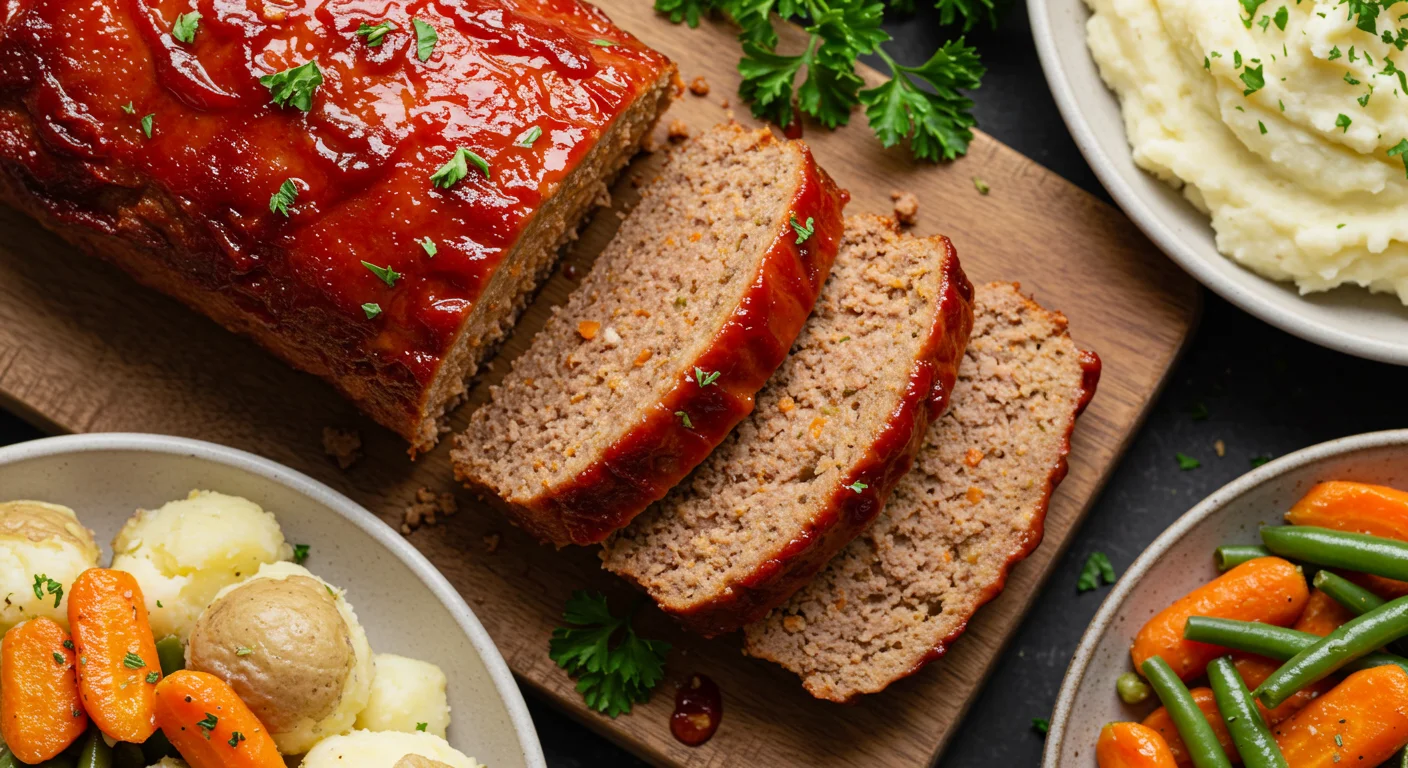
Oven-Baked Meatloaf with Tomato Glaze: The Ultimate Comfort Dish
Oven-baked meatloaf with tomato glaze offers a simple, reliable way to bring comfort food to the table. The dish combines seasoned ground meat with a sweet and tangy glaze that bakes into a flavorful crust.
It delivers a balanced mix of savory and slightly sweet flavors while staying tender and moist inside.
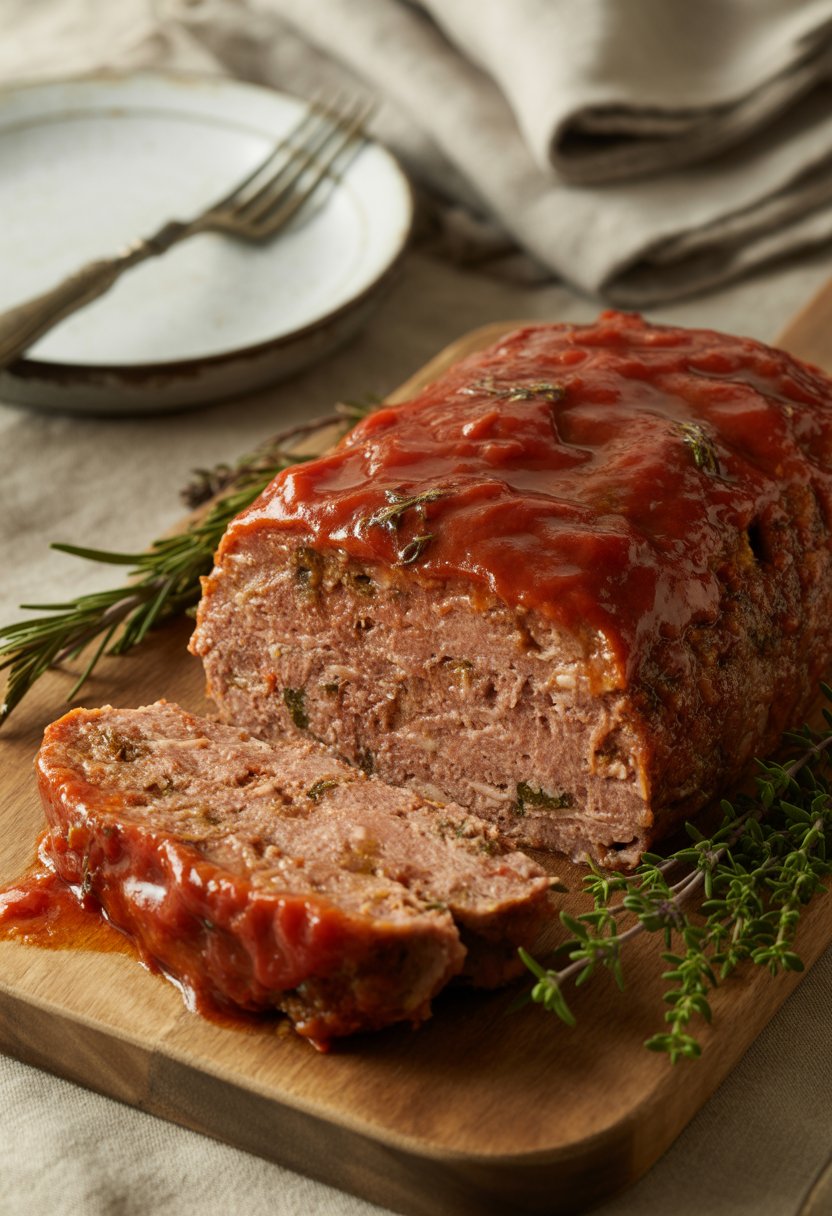
This style of meatloaf stands out because it uses everyday ingredients and straightforward steps, making it approachable for any home cook. The tomato glaze not only adds flavor but also creates a glossy finish that looks as good as it tastes.
With the right balance of seasonings and careful baking, the result is a hearty main dish that pairs well with classic sides like mashed potatoes or roasted vegetables.
What Makes Oven-Baked Meatloaf with Tomato Glaze Special
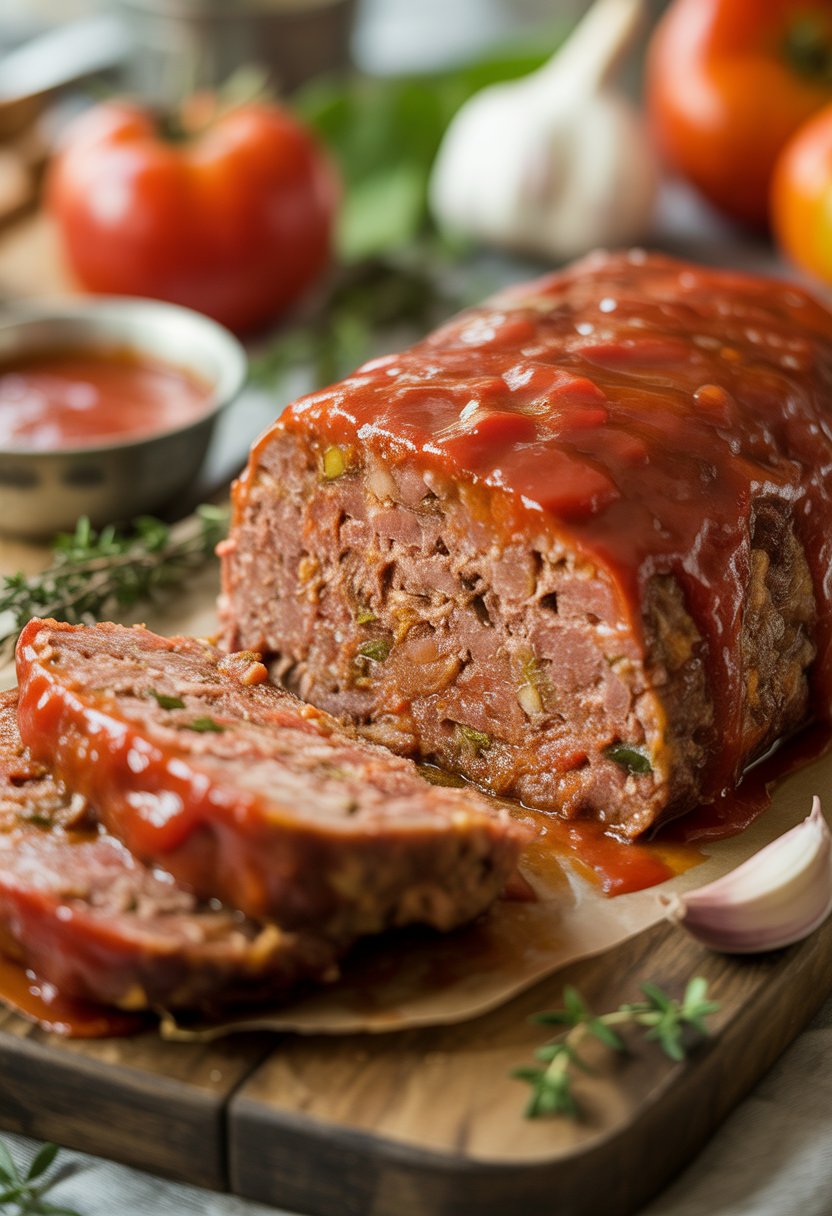
Oven-baked meatloaf with tomato glaze stands out because it combines familiar comfort food traditions with balanced flavors and a texture that stays tender and juicy. The dish offers a reliable way to enjoy a hearty main course that feels both nostalgic and satisfying without requiring complex preparation.
Classic Comfort Food Appeal
Meatloaf has long held a place as a classic comfort food in many households. Its appeal often comes from its simplicity and the way it brings together basic pantry ingredients into a filling, home-style meal.
Families often serve meatloaf for weeknight dinners because it is easy to prepare and stretches well to feed several people. Leftovers also reheat well, making it practical for multiple meals.
The oven-baked method helps the loaf cook evenly, producing a tender meatloaf that slices cleanly without falling apart. Served with sides like mashed potatoes or roasted vegetables, it creates a balanced plate that feels both familiar and satisfying.
Key Flavor Elements
The flavor of meatloaf depends on a mix of ingredients that provide both depth and balance. Ground beef forms the base, offering richness and moisture when baked properly.
Seasoned breadcrumbs, onion, garlic, and eggs help bind the mixture while adding layers of taste. A small amount of Worcestershire sauce or similar seasoning deepens the savory quality, while diced vegetables such as bell pepper or carrot add subtle sweetness and texture.
Salt and black pepper remain essential for seasoning, but herbs like parsley or thyme can give it a fresher profile. Mixing the ingredients gently and allowing the loaf to rest after baking both help preserve moisture.
This balance of savory, sweet, and aromatic elements makes the dish flavorful without being overwhelming.
Why the Tomato Glaze Matters
The tomato glaze is more than just a topping. It plays a central role in shaping both flavor and presentation.
A glaze made from ketchup, brown sugar, and mustard creates a sweet-tangy layer that contrasts with the savory meat. As the loaf bakes, the glaze caramelizes and forms a glossy coating.
This not only enhances the appearance but also locks in some moisture, keeping the meatloaf tender. The sticky surface ensures that every bite includes a burst of bright flavor.
With the glaze, the dish gains balance, combining the hearty interior with a slightly sharp, slightly sweet finish that defines the classic meatloaf experience.
Essential Ingredients for the Best Meatloaf
A well-made meatloaf depends on the balance of protein, moisture, and flavor. The right combination of meat, vegetables, binders, and seasonings creates a tender loaf that holds its shape and tastes satisfying in every bite.
Choosing the Right Ground Meat
Ground meat forms the base of meatloaf, so the fat content matters. Ground beef with 80–85% lean meat provides enough fat for moisture without making the loaf greasy.
Using beef that is too lean often leads to a dry texture. Some cooks mix meats for added flavor.
A blend of beef and ground pork produces a richer taste, while adding ground turkey lightens the loaf but needs careful seasoning to prevent blandness. Poultry also requires cooking to a safe internal temperature of 165°F.
For those who prefer variety, combining beef with Italian sausage or a small portion of turkey offers both tenderness and depth. The key is balance—enough fat for juiciness, but not so much that the loaf becomes heavy.
Vegetables and Aromatics
Vegetables add both flavor and moisture. Onions are the most common choice, and sautéing them before mixing reduces sharpness and blends them smoothly into the meat.
Garlic brings depth, while carrots can be finely grated to add natural sweetness and extra moisture. Fresh herbs also play a role.
Parsley brightens the flavor and prevents the loaf from tasting too heavy. Some cooks add celery or bell peppers, but these should be chopped very small so they soften properly during baking.
Cooking aromatics briefly in oil before mixing is a simple step that prevents raw flavors from standing out. This also helps the vegetables release moisture, which keeps the meatloaf tender without adding excess liquid.
Binders and Fillers
Binders hold the loaf together and prevent it from crumbling. The most common combination is breadcrumbs and eggs.
Breadcrumbs absorb liquid and expand, while eggs provide structure once baked. Panko breadcrumbs are often preferred because they are lighter and create a softer texture.
Traditional breadcrumbs or even crushed crackers can also work, though they may make the loaf denser. Adding a small amount of milk or stock hydrates the breadcrumbs, which keeps the meat moist.
Without this step, the loaf can turn out dry and compact. The ratio of meat to binder should stay balanced so the loaf slices cleanly but remains tender.
Seasonings and Flavor Boosters
Seasonings give meatloaf its character. Salt and black pepper are essential, but other ingredients add layers of flavor.
Worcestershire sauce provides a savory depth that complements beef, while ketchup adds both acidity and a touch of sweetness. For the glaze, a mix of ketchup, brown sugar, and vinegar creates a tangy-sweet topping that caramelizes during baking.
This not only improves taste but also adds a glossy finish. Dried spices such as Italian seasoning or paprika can be used, but fresh herbs like parsley keep the flavors balanced.
Combining both ensures the loaf is well-seasoned inside and out without overpowering the natural taste of the meat.
Step-by-Step Guide: How to Make Oven-Baked Meatloaf
A well-made meatloaf depends on balanced ingredients, proper shaping, a flavorful glaze, and careful baking. Each step affects the texture, taste, and appearance of the finished dish.
Mixing and Shaping the Loaf
The base of a classic meatloaf recipe usually includes ground beef or a mix of beef, pork, and sometimes turkey. A blend provides more flavor and moisture.
To hold the mixture together, cooks add eggs and a binder such as breadcrumbs, crushed crackers, or cooked oats. Moisture is important.
Ingredients like milk, broth, or tomato juice keep the loaf tender. Finely chopped onions, garlic, and vegetables such as carrots or celery add flavor and prevent dryness.
When mixing, it helps to use hands instead of a spoon. Gentle mixing avoids overworking the proteins, which can make the loaf dense.
The mixture should be combined only until the ingredients look evenly distributed. Shaping can be done in a loaf pan for a uniform look and juicier texture, or freeform on a baking sheet for more crust.
A loaf about 8–10 inches long and 3–4 inches wide bakes evenly without drying out.
Preparing the Tomato Glaze
A tomato-based glaze gives meatloaf its signature finish. The simplest version uses ketchup, but many cooks enhance it with tomato paste, vinegar, mustard, or a small amount of brown sugar.
This balances sweetness and acidity. The glaze should be mixed in a small bowl until smooth.
A thin, even layer is brushed over the top of the uncooked loaf. Applying all of it too early can cause burning, so many prefer to save part of the glaze for the last 15–20 minutes of baking.
This two-step glazing method ensures the loaf develops a flavorful coating without overcooking the sugars. The result is a shiny, slightly caramelized topping that pairs well with the savory beef mixture.
Baking Techniques for Moisture and Flavor
The oven should be preheated to 350°F (175°C). At this temperature, the loaf cooks evenly without drying out.
Baking usually takes 60–75 minutes, depending on loaf size. Using a meat thermometer is the most reliable way to check doneness.
The internal temperature should reach 160°F (71°C). Removing it promptly prevents overbaking.
Letting the loaf rest for 10–15 minutes before slicing is crucial. Resting allows juices to settle, keeping slices moist and intact.
Covering it loosely with foil during this time helps retain warmth. For extra flavor, some cooks line the pan with parchment for easy removal or place the loaf on a rack inside the pan to let fat drain away.
Both methods improve texture while preserving moisture.
Tips for Achieving Juicy and Tender Meatloaf
Moisture, texture, and flavor depend on how the meat is handled, the cooking temperature, and what happens after baking. Small changes in preparation and technique can prevent a dry or tough loaf.
Avoiding Common Mistakes
Overmixing ground meat creates a dense loaf. Once the ingredients are combined, the mixture should be handled gently.
Shaping the loaf without pressing it too tightly also helps shorten cooking time and keeps the texture tender. Fat content makes a major difference.
Ground beef with about 80% lean and 20% fat produces a juicy meatloaf. Leaner meats like turkey or chicken need extra liquid, such as stock or milk-soaked breadcrumbs, to prevent dryness.
Moisture-retaining fillers are essential. Breadcrumbs, oats, or crushed crackers absorb juices and lock them inside the loaf.
When soaked in milk, they release that liquid during baking, keeping the mixture soft. Adding finely diced vegetables like onions or peppers can also boost both flavor and moisture.
Temperature and Doneness
Cooking meatloaf at too high a temperature can dry it out before the inside cooks through. A moderate oven setting, around 325–350°F (163–177°C), allows even cooking and better moisture retention.
Time alone is not reliable for doneness. The thickness of the loaf, oven calibration, and pan type all affect cooking speed.
Using an instant-read thermometer ensures accuracy. The center of the loaf should reach 155–160°F (68–71°C).
After removal from the oven, carryover cooking raises the temperature slightly, making it safe to eat without overcooking. This method keeps the meat juicy while still meeting food safety standards.
Resting and Slicing
Cutting into meatloaf too soon causes juices to escape. Allowing the loaf to rest for 10 minutes gives the juices time to redistribute evenly.
This step also helps the loaf firm up, making cleaner slices possible. During the rest period, loosely tenting the meatloaf with foil prevents heat loss without trapping steam.
Steam buildup can soften the crust or glaze, so the foil should not be wrapped tightly. When slicing, use a sharp knife and cut gently.
This avoids tearing the loaf apart and helps maintain the tender structure achieved during baking.
Serving Suggestions and Perfect Pairings
A hearty meatloaf with tomato glaze benefits from sides that balance its rich flavor. Starchy comfort foods, fresh vegetables, and even next-day sandwiches make it versatile and satisfying for different meals.
Mashed Potatoes and Classic Sides
Mashed potatoes remain the most reliable companion to meatloaf. Their creamy texture absorbs the tomato glaze and pan juices, preventing any bite from feeling too heavy.
A simple preparation with butter, milk, and a touch of salt keeps the flavor balanced. For added variety, some pair the dish with buttered egg noodles or rice pilaf.
Both provide a mild base that complements the seasoned beef without competing with it. Bread also plays a role in rounding out the meal.
Soft dinner rolls or crusty baguette slices help soak up extra sauce, while also giving a chewy contrast to the tender loaf. A small side salad with a light vinaigrette can cut through the richness, offering a refreshing note between bites.
Vegetable Companions
Fresh vegetables bring color and balance to the plate. Green beans are a common choice, whether steamed, roasted, or sautéed with garlic.
Their crisp texture contrasts well with the soft meatloaf. Carrots also pair naturally.
Roasted with olive oil, salt, and pepper, they develop a mild sweetness that works with the tangy glaze. Glazed carrots with a touch of honey or brown sugar can also highlight the savory notes of the beef.
Corn is another popular option, often served boiled or roasted. It provides a subtle sweetness and a bit of crunch that keeps the meal from feeling too heavy.
When aiming for variety, mixing vegetables together works well. A medley of carrots, green beans, and corn creates a colorful side dish that is simple yet satisfying.
Creative Meatloaf Sandwiches
Leftover meatloaf often shines in sandwich form. Sliced pieces can be placed on toasted bread or a soft bun, layered with lettuce, tomato, and a light spread of mayonnaise or mustard.
For a warm option, reheated slices topped with melted cheese make a hearty sandwich. Cheddar or provolone are common choices, adding richness without overpowering the meat.
Some prefer to keep it simple by serving a cold slice with only bread and ketchup. Adding extras like pickles, sautéed onions, or roasted peppers can create more texture and flavor variety.
This makes the sandwich a flexible and satisfying way to enjoy meatloaf beyond the dinner table.
Storing and Using Leftover Meatloaf
Leftover meatloaf stays safe and tasty when stored properly. It can also be repurposed into simple meals.
Proper storage methods prevent spoilage. Creative uses help reduce waste and add variety to the table.
Refrigeration and Freezing Tips
Cooked meatloaf can be stored in the refrigerator for 3 to 4 days. It should be cooled to room temperature, then wrapped tightly in foil or placed in an airtight container.
Slicing before storing helps it chill faster and makes reheating easier. For longer storage, freezing is the best option.
Meatloaf can be frozen either cooked or uncooked. Wrap it in plastic wrap or foil, then place it inside a freezer bag or sealed container.
Cooked meatloaf will last about 3 months, while uncooked loaves can last up to 6 months. When reheating, the oven works best for even heating.
Cover slices with foil and warm at 250–350°F until the internal temperature reaches 160°F for beef or 165°F for poultry. For quick reheating, the microwave works too, but use short intervals to avoid drying.
Ideas for Leftover Meatloaf
Leftover meatloaf can be used in many simple dishes. Slices make hearty sandwiches or can be pan-seared for a crisp edge.
A patty melt with cheese and onions is another easy option. Chopped or crumbled meatloaf works well in pasta sauces, casseroles, or chili.
It can also be mixed into rice dishes or added to soups for extra protein. For appetizers, small cubes of meatloaf can be served on cocktail bread with mustard or cheese.
Those looking for a quick meal can reheat slices and serve them with eggs for breakfast or tuck them into wraps for lunch.
Frequently Asked Questions
A well-made meatloaf depends on balanced ingredients, proper cooking time, and simple techniques that preserve flavor and texture. Small details, such as the choice of glaze, binder, and side additions, can make a noticeable difference in the final dish.
What are the key ingredients for a classic tomato glaze on meatloaf?
A basic tomato glaze usually includes ketchup or tomato sauce, brown sugar, and vinegar. Some cooks add mustard or Worcestershire sauce for extra depth.
The mixture should be slightly sweet, tangy, and thick enough to coat the meatloaf evenly.
How long should meatloaf be cooked in the oven and at what temperature?
Most meatloaf recipes bake at 350°F (175°C) for about 1 to 1 ¼ hours. The internal temperature should reach 160°F (71°C) for beef or pork, and 165°F (74°C) for poultry-based meatloaf.
Using a meat thermometer ensures safe and accurate results.
Can you incorporate potatoes into a meatloaf dish, and if so, how?
Potatoes can be served as a side, such as mashed or roasted, or incorporated into the dish. Some recipes include shredded potatoes mixed into the meat for added moisture and texture.
Others pair meatloaf with fried potatoes or baked potato wedges for a complete meal.
What is the best way to ensure a meatloaf remains moist while baking?
Adding a binder such as eggs and milk-soaked breadcrumbs helps hold in moisture. Covering the meatloaf loosely with foil during the first part of baking also prevents it from drying out.
Using a glaze creates a protective layer that locks in juices.
How can breadcrumbs be effectively used in a meatloaf recipe?
Breadcrumbs act as a binder that keeps the meatloaf from falling apart. They also absorb liquid, which helps the loaf stay tender instead of dense.
Using seasoned breadcrumbs can add extra flavor, while plain ones allow for more control over seasoning.
Is it better to use ketchup or tomato sauce for a meatloaf glaze?
Ketchup provides sweetness and a thicker consistency, making it a common choice for a classic glaze.
Tomato sauce is lighter and less sweet, which works well for those who prefer a tangier flavor.
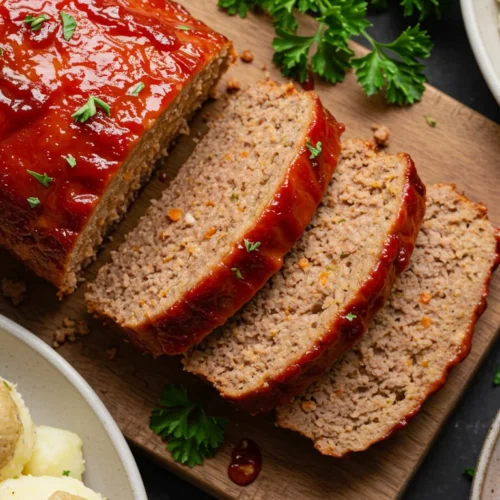
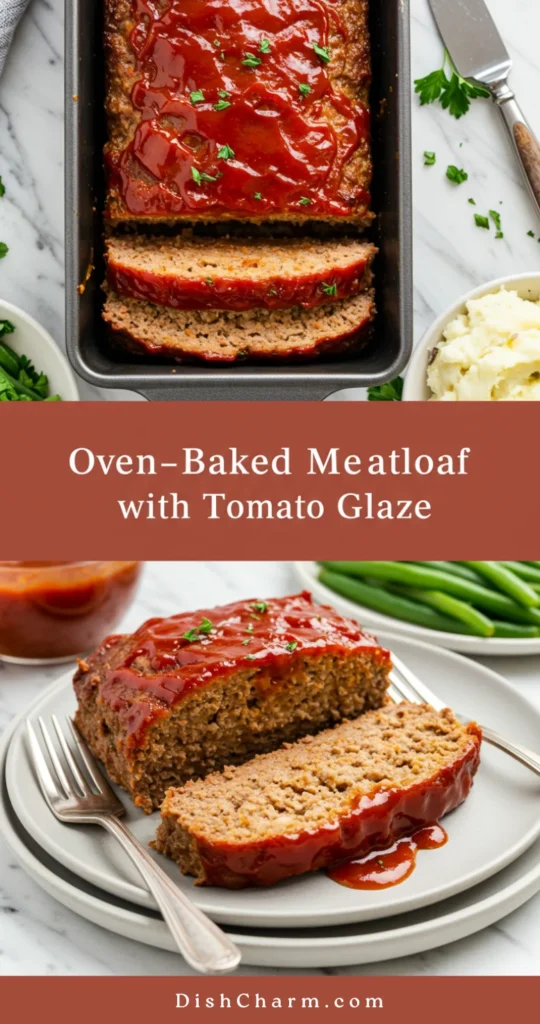
Oven-Baked Meatloaf with Tomato Glaze
Equipment
- 1 Loaf pan or baking sheet For shaping the meatloaf; line with parchment paper for easy cleanup.
- 1 Mixing Bowl For combining ingredients gently.
- 1 Meat Thermometer Ensures safe internal temperature.
- 1 Basting brush For applying the tomato glaze evenly.
- 1 Aluminum foil To cover the meatloaf during baking and resting.
Ingredients
- 1½ lbs Ground beef (80/20 blend) Leaner blends require extra moisture.
- Optional ½ lb Ground pork or turkey Adds richness or lightens the loaf.
- 1 cup Breadcrumbs (plain or seasoned) Soaked in milk for added moisture.
- ¼ cup Milk For hydrating breadcrumbs; prevents dryness.
- 1 medium Onion (finely chopped) Sautéed briefly for sweetness and soft texture.
- 2 cloves Garlic (minced) Adds depth of flavor.
- 1 large Egg Acts as a binder.
- 2 tbsp Worcestershire sauce Enhances savory notes.
- Salt To taste – Season generously to enhance flavor.
- Pepper To taste – Freshly ground for better flavor.
- Optional – Fresh parsley (chopped) Brightens the flavor and adds freshness.
- ½ cup Ketchup Base for the tomato glaze.
- 2 tbsp Brown sugar Adds sweetness to balance acidity.
- 1 tbsp Mustard Tangy flavor complements the ketchup.
- 1 tsp Vinegar Enhances tanginess in the glaze.
Instructions
Step-by-Step Recipe
Prepare Ingredients:
- Preheat the oven to 350°F (175°C).
- Soak breadcrumbs in milk for 5 minutes until softened. Sauté onions and garlic in a small amount of oil until softened but not browned.
Mix the Meatloaf:
- In a large mixing bowl, combine ground beef, soaked breadcrumbs, sautéed onions and garlic, egg, Worcestershire sauce, salt, pepper, and optional parsley. Mix gently with your hands or a spoon until just combined. Avoid overmixing to keep the texture tender.
Shape the Loaf:
- Transfer the mixture to a loaf pan or shape it into a freeform loaf on a baking sheet lined with parchment paper. Aim for a loaf about 8–10 inches long and 3–4 inches wide for even cooking.
Prepare the Tomato Glaze:
- In a small bowl, whisk together ketchup, brown sugar, mustard, and vinegar. Set aside.
Apply Initial Glaze and Bake:
- Brush half of the glaze over the top of the uncooked meatloaf. Bake in the preheated oven for 45 minutes.
Add Remaining Glaze:
- After 45 minutes, brush the remaining glaze over the loaf. Continue baking for another 15–20 minutes, or until the internal temperature reaches 160°F (71°C) for beef or 165°F (74°C) for poultry-based loaves.
Rest and Slice:
- Remove the meatloaf from the oven and let it rest for 10 minutes. Tent loosely with foil to retain warmth without trapping steam. Slice and serve warm.
Notes
-
- Storage: Store leftovers in an airtight container in the fridge for up to 3–4 days. Freeze slices for up to 3 months in freezer-safe bags.
- Freezing: Wrap tightly in plastic wrap or foil before freezing. Thaw overnight in the fridge before reheating.
- Healthier Option: Use lean ground turkey or chicken and reduce the amount of brown sugar in the glaze.
Frequently Asked Questions
-
What are the key ingredients for a classic tomato glaze?
- Ketchup, brown sugar, mustard, and vinegar create a balanced sweet-tangy glaze.
-
How long should meatloaf be cooked?
- Bake at 350°F (175°C) for 60–75 minutes, or until the internal temperature reaches 160°F (71°C) for beef or 165°F (74°C) for poultry.
-
Can you incorporate potatoes into a meatloaf dish?
- Serve mashed or roasted potatoes as a side, or mix shredded potatoes into the meatloaf for added moisture.
-
What is the best way to ensure a moist meatloaf?
- Use fat-rich ground beef, soak breadcrumbs in milk, and cover the loaf loosely with foil during baking.
-
How can breadcrumbs be effectively used?
- Breadcrumbs act as a binder and absorb liquid, keeping the meatloaf tender. Seasoned breadcrumbs add extra flavor.
-
Is ketchup or tomato sauce better for the glaze?
- Ketchup provides sweetness and thickness, while tomato sauce offers a lighter, tangier option.
Tips & Tricks
- Flavor Enhancement: Add grated carrots or finely diced bell peppers to the meat mixture for natural sweetness and extra moisture.
- Presentation: Garnish with chopped parsley or fresh herbs for added color and freshness.
- Leftovers: Use leftover slices in sandwiches, wraps, or breakfast dishes like hash with eggs.
Plating and Garnishing
- Garnish: Sprinkle chopped parsley or thyme for a pop of color and freshness.
- Serving Style: Slice the meatloaf neatly and arrange on a platter with sides like mashed potatoes, roasted vegetables, or a green salad. Drizzle extra glaze over the slices if desired.
- Sides: Pair with creamy mashed potatoes, buttered egg noodles, roasted carrots, or steamed green beans for a balanced meal.