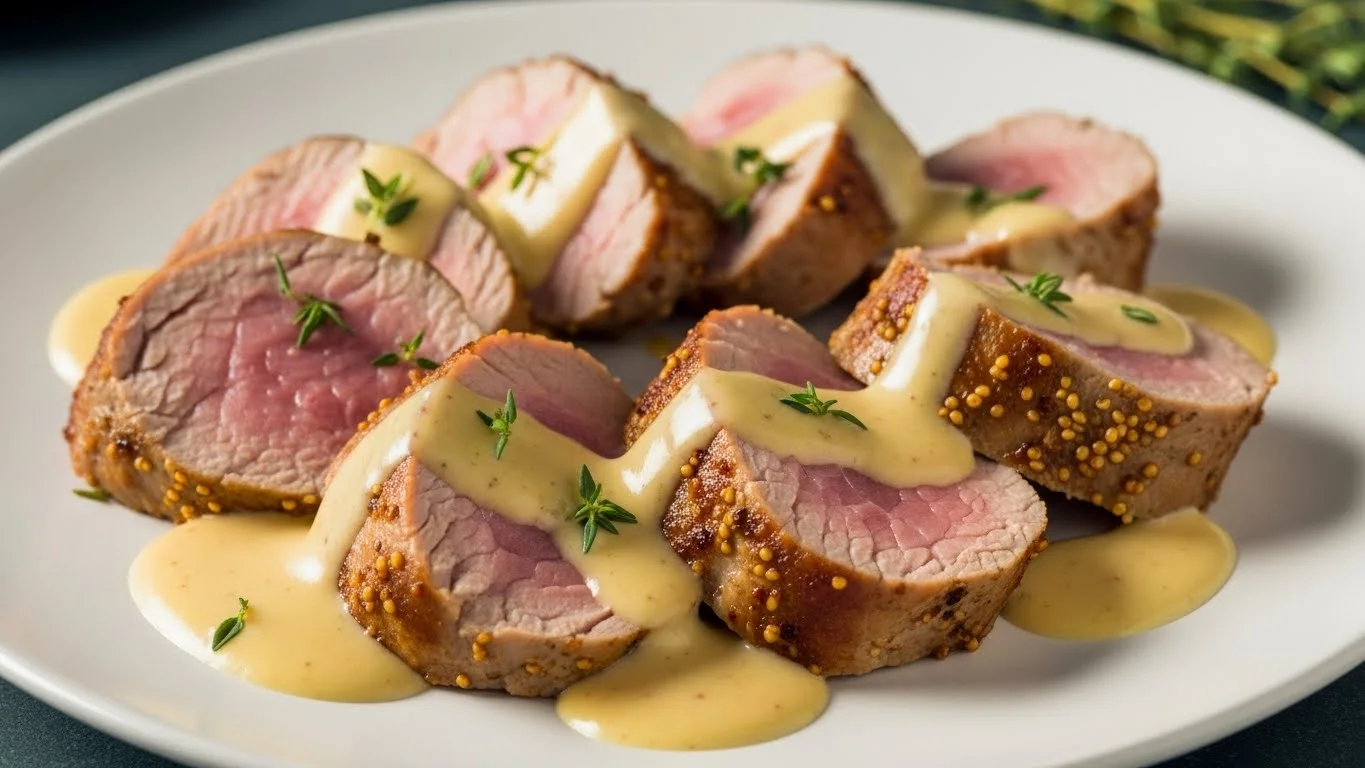
Pork Tenderloin with Dijon Cream Sauce – Creamy & Savory Perfection Made Simple
Pork Tenderloin with Dijon Cream Sauce offers a simple yet elegant way to elevate a weeknight meal or impress guests. This dish features tender, juicy pork seared to develop a golden crust and finished with a rich, creamy sauce made from Dijon mustard, cream, and a hint of lemon.
The combination delivers a balanced blend of savory, tangy, and creamy flavors that complement the meat perfectly.
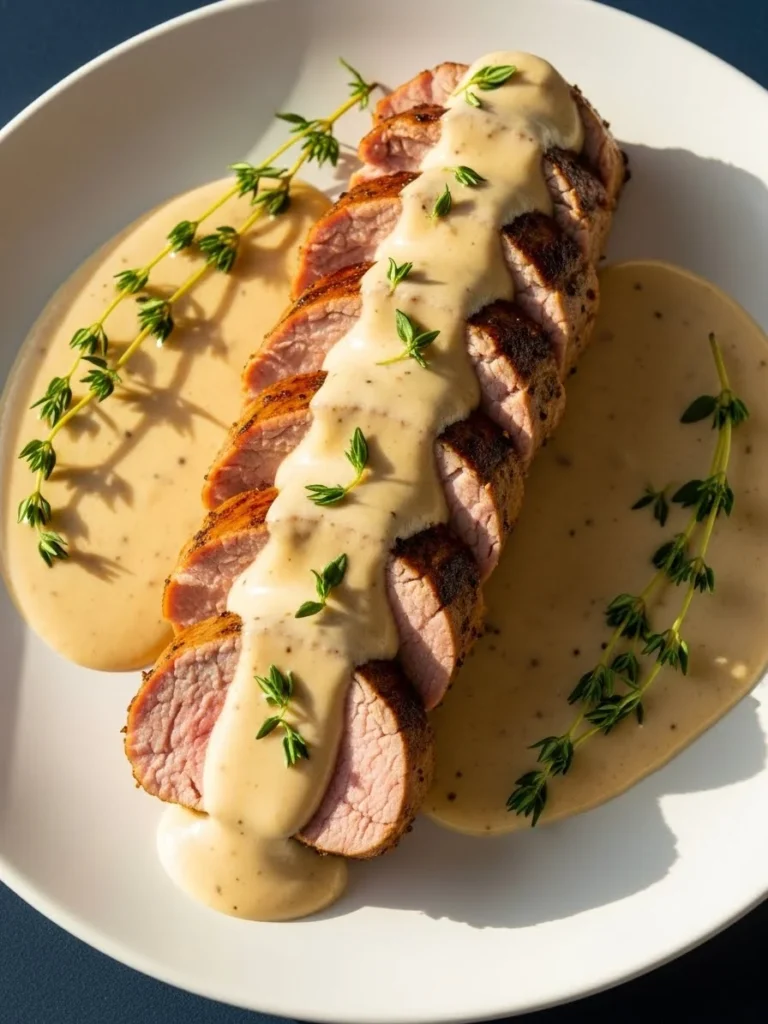
The recipe is approachable for cooks of all skill levels and comes together quickly, making it ideal for those who want a gourmet meal without complicated steps. Using common ingredients like garlic, shallots, and fresh herbs adds depth without overwhelming the main flavors.
Paired with classic sides like mashed potatoes or roasted vegetables, this pork tenderloin creates a satisfying and versatile meal. Its creamy sauce and juicy texture make it a dependable choice for both everyday dinners and special occasions.
Why Pork Tenderloin with Dijon Cream Sauce Stands Out
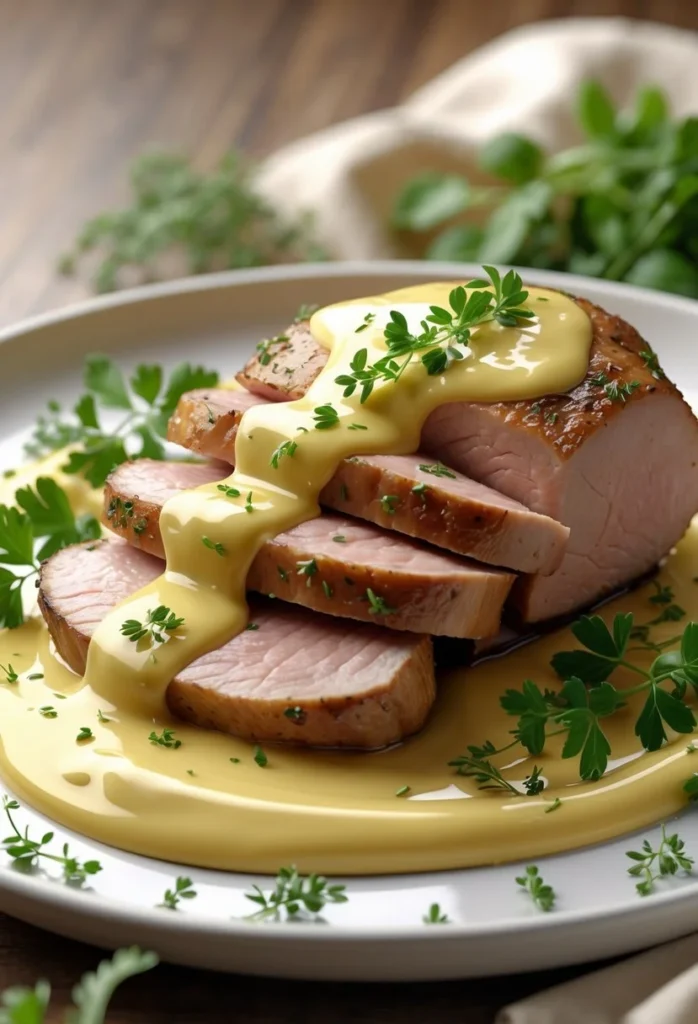
This dish balances rich, savory flavors with tender, juicy meat. The sharpness of Dijon mustard cuts through the creaminess, while fresh herbs and garlic deepen the taste.
Together, they create a satisfying meal that feels both comforting and special.
The Perfect Pairing: Tangy Dijon and Juicy Pork
Dijon mustard is essential for this recipe because of its tangy, slightly sharp flavor. It adds brightness that complements the pork tenderloin’s natural sweetness.
Pork tenderloin is lean but tender, and its mild taste works well with the bold mustard. The sauce often uses Dijon both in the glaze and cream sauce, helping tie the dish together.
This layering of mustard flavor enhances the pork rather than overpowering it. Juicy pork tenderloin means the meat remains moist through proper searing and roasting.
The Dijon helps form a flavorful crust and adds a slight tang that balances the richness of the meat.
Key Flavor Components: Cream, Garlic, and Fresh Herbs
The Dijon cream sauce gets its smooth texture from heavy cream. The cream softens the sharpness of the mustard and creates a velvety finish.
Garlic adds a pungent depth, sautéed briefly to release flavor without bitterness. It blends well with the cream, making the sauce savory and aromatic.
Fresh herbs like thyme or rosemary bring a subtle earthiness and freshness. They cut through the richness and offer contrast to the creamy, thick sauce.
These herbs also connect the sauce with the seasoning on the pork tenderloin, making the dish harmonious.
Essential Ingredients and Preparation Tips
A precise combination of fresh pork tenderloin, well-chosen seasonings, and a smooth Dijon cream sauce forms the foundation. Key herbs and aromatics boost both texture and flavor, creating a balanced and satisfying dish.
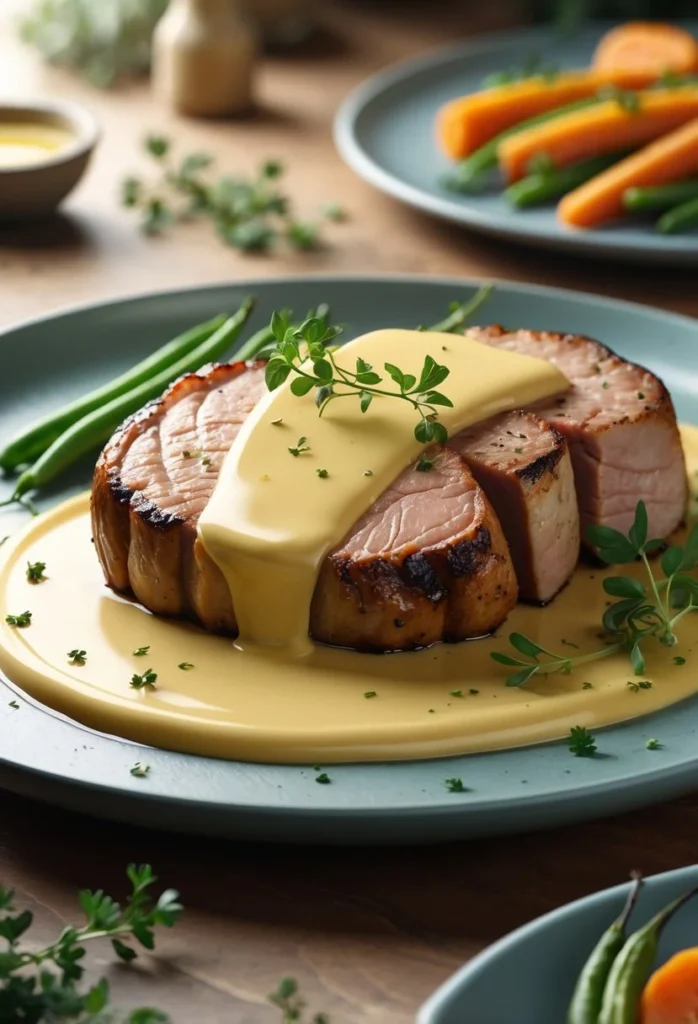
Choosing the Best Pork Tenderloin and Seasonings
Select a pork tenderloin that is about 1½ to 2 pounds, trimmed well of any silver skin or excess fat. This ensures even cooking and tender results.
Seasoning should include salt and pepper as a base. Adding dried herbs such as rosemary, thyme, and oregano enhances the pork’s natural flavor.
A pinch of onion powder and ground cumin can provide subtle depth. Before roasting, searing the tenderloin in olive oil caramelizes the surface.
This locks in juices and creates a flavorful crust. Cooking to an internal temperature of 145°F and resting the meat ensures it stays juicy with a slight pink hue inside.
Building a Creamy Dijon Sauce with Depth
The sauce starts with melted butter and finely minced garlic cloves sautéed until fragrant. Combining heavy cream and a generous amount of Dijon mustard creates a rich, tangy base.
Adding fresh-squeezed lemon juice brightens the sauce, balancing richness. Incorporating thyme brings an herbal note that complements the pork.
Salt and pepper are adjusted to taste. If needed, a bit of chicken broth or water can thin the sauce to the desired consistency without losing flavor.
The sauce should be gently simmered to meld the ingredients without boiling, preserving the cream’s smoothness.
Herbs, Aromatics, and Finishing Flavors
Fresh or dried herbs like thyme and rosemary are essential for layering flavor throughout the dish. Using them both in the seasoning blend and the sauce ties the components together.
Garlic is key in both the sear and sauce, offering a savory aroma. Finishing with a glaze made from maple syrup, Worcestershire sauce, and soy sauce adds a subtle umami sweetness.
For texture and presentation, slicing the tenderloin into thick pieces and spooning the sauce over ensures every bite is flavorful. A garnish of fresh herbs can add a final touch of color and scent.
Step-by-Step Cooking Instructions for Tender Perfection
This recipe requires careful preparation of the pork tenderloin, along with precise cooking techniques to achieve juicy, tender pork. Proper searing locks in flavor, while roasting cooks it evenly.
The dijon cream sauce is made simply on the stovetop. Resting the meat before slicing keeps it moist and flavorful.
Searing and Roasting the Pork
First, preheat the oven to 375°F. The pork tenderloin should be trimmed of any excess fat or silver skin and patted dry.
This helps the olive oil and seasoning stick well. Next, combine salt, pepper, dried herbs, onion powder, and ground cumin into a spice blend.
Massage this all over the tenderloin. Heat 2 tablespoons of olive oil in a skillet over medium-high heat.
Sear the tenderloin on all sides until golden brown, about 3-4 minutes per side. This step caramelizes the outside and locks in juices.
Place the seared pork on a baking sheet. Brush a glaze made of dijon mustard, maple syrup, Worcestershire sauce, and soy sauce on all sides.
Roast for 15 minutes, flip the tenderloin, then roast another 15 minutes. Use an instant-read meat thermometer to check for an internal temperature of 145°–150°F.
Remove from the oven once this is reached.
Creating the Savory Dijon Cream Sauce
Use the same skillet from searing to make the sauce. Melt 2 tablespoons of butter over medium heat.
Add finely minced garlic and sauté until fragrant, about 1 minute. Then add fresh lemon juice, ½ cup heavy cream, 1 tablespoon dijon mustard, and 2 teaspoons dried thyme.
Stir well, scraping the browned bits off the bottom of the pan to add flavor. Let the sauce simmer gently for 1-2 minutes until it thickens slightly.
Season with salt and pepper to taste. If the sauce is too thick, thin it with 1 to 3 tablespoons of chicken broth or water.
Resting, Slicing, and Serving for Best Results
Once removed from the oven, transfer the pork tenderloin to a cutting board. Let it rest for at least 3 minutes.
Resting allows the juices to redistribute, making the meat more tender. Slice the pork into 1-2 inch thick pieces.
Arrange the slices on a serving platter. Pour the dijon cream sauce over the slices or serve it on the side.
Serve with mashed potatoes, green beans, or other favorite sides for a simple but elegant meal that fits any occasion.
Serving Ideas, Pairings, and Storage
This pork tenderloin with creamy Dijon sauce works well with sides that balance its rich flavors. Choosing the right beverage can enhance the dining experience.
Proper storage and reheating keep leftovers tasty and convenient for future meals.
Best Side Dishes for Creamy Dijon Pork
Mashed potatoes are a top choice. Their creamy texture soaks up the Dijon cream sauce nicely.
Roasted vegetables like carrots, Brussels sprouts, or asparagus add a mild sweetness and crunch, which complement the pork’s tender texture. Other good options include buttery rice or polenta, which balance the richness of the sauce.
A fresh green salad with vinaigrette offers a light, refreshing contrast. These sides suit both weeknight dinners and special occasions, making the meal flexible and easy to adapt.
Wine Pairings and Beverage Suggestions
Pinot noir pairs well with this dish. Its light to medium body and subtle earthiness match the tender pork without overpowering it.
Chardonnay, especially one with balanced acidity and a hint of oak, complements the creamy Dijon sauce. For non-alcoholic drinks, sparkling water with lemon or a lightly brewed iced tea brings brightness and cuts through the sauce’s richness.
These choices maintain the meal’s elegant feel while offering variety for different tastes.
How to Store, Reheat, and Make Ahead
Store leftover pork and sauce in an airtight container in the refrigerator for up to three days. The pork keeps its juiciness if reheated gently in the oven or on the stovetop at low heat.
The sauce thickens when cold, so stir in a splash of cream or broth while reheating to restore its texture. This dish can be made ahead by preparing the pork and sauce separately, then combining them just before serving for best flavor and texture.
Frequently Asked Questions
The process involves seasoning and searing the pork, then baking it with a rich Dijon cream sauce made from ingredients like shallots, garlic, white wine, and heavy cream. Moisture during cooking and ingredient substitutions can affect the dish’s flavor and texture.
What are the steps to prepare pork tenderloin with dijon cream sauce?
First, the pork tenderloin is patted dry and seasoned with salt and pepper.
It is seared in hot olive oil until browned on all sides.
Next, shallots and garlic are cooked in the same pan, followed by deglazing with white wine.
Dijon mustard, chicken broth, and heavy cream are added to form the sauce.
The pork is returned to the pan and baked in the oven until it reaches 145°F (63°C), then rested before slicing and serving with sauce.
Can I use a slow cooker to make pork tenderloin with dijon cream sauce?
Using a slow cooker is possible but will change the texture and timing.
The pork won’t get the same sear or crust as in a skillet.
The cream sauce should be added toward the end to avoid curdling during long cooking.
Slow cooking can result in a softer, less caramelized pork.
What are the ingredients needed for a creamy mustard sauce for pork tenderloin?
The sauce includes Dijon mustard, heavy cream, chicken broth, minced shallots, garlic, white wine, and fresh thyme.
Butter is added at the end for richness, and fresh parsley is used as a garnish.
These ingredients create a balance of tangy, creamy, and savory flavors.
How do I ensure my pork tenderloin stays moist while baking?
Searing the pork first locks in juices by creating a crust.
Baking at a moderate temperature until the internal temperature reaches 145°F (63°C) prevents overcooking.
Rest the pork for 5 to 10 minutes after baking to allow juices to redistribute.
Avoid cutting the meat too soon to retain moisture.
Is it possible to add honey for a sweet twist on dijon cream sauce, and how?
Yes, honey can be added to the sauce for a mild sweetness.
Add a small amount (1 to 2 teaspoons) when stirring in the Dijon mustard and broth.
Adjust to taste but add slowly to avoid overpowering the tangy mustard flavor.
Honey pairs well with the savory cream and herbs.
What alternatives can I use in place of Dijon mustard for the cream sauce?
Whole grain mustard or spicy brown mustard can replace Dijon with a similar tang.
For a milder taste, yellow mustard works but changes the flavor profile.
Horseradish or wasabi can add heat but should be used sparingly.
If avoiding mustard, consider a blend of lemon juice and a bit of vinegar for acidity.
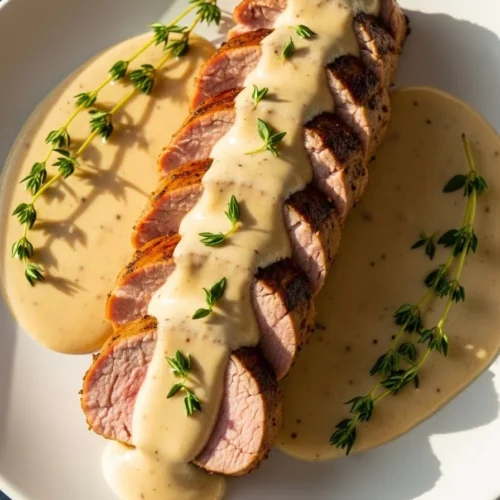
Pork Tenderloin with Dijon Cream Sauce
Equipment
- 1 Oven-safe skillet For searing and roasting the pork.
- 1 Meat Thermometer To ensure pork reaches an internal temperature of 145°F (63°C).
- 1 Mixing spoon For stirring the sauce.
Ingredients
For the Pork Tenderloin
- 1½ lbs Pork tenderloin Trimmed of silver skin and excess fat.
- 1 tbsp Olive oil For searing the pork.
- 1 tsp Salt Adjust to taste.
- ½ tsp Black pepper Freshly ground preferred.
- 1 tsp Dried thyme Or rosemary for earthy flavor.
- ½ tsp Onion powder Adds subtle depth.
- ¼ tsp Ground cumin for warmth. Optional
For the Dijon Cream Sauce
- 2 tbsp Butter For sautéing aromatics.
- 2 cloves Garlic Minced fine for aroma.
- 1 tbsp Lemon juice Freshly squeezed for brightness.
- ½ cup Heavy cream Creates a velvety texture.
- 1 tbsp Dijon mustard Adds tangy sharpness.
- 1 tsp Fresh thyme leaves Or dried thyme for convenience.
- ¼ cup Chicken broth Adjusts consistency if needed.
- To taste Salt and pepper Season to balance the sauce.
Instructions
Step-by-Step Recipe
Prepare the Pork Tenderloin:
- Preheat the oven to 375°F (190°C). Pat the pork tenderloin dry with paper towels.
- In a small bowl, combine salt, pepper, dried thyme, onion powder, and optional cumin. Rub the seasoning blend evenly over the pork.
Sear the Pork:
- Heat olive oil in an oven-safe skillet over medium-high heat. Sear the pork on all sides until golden brown, about 3–4 minutes per side. Remove from the skillet and set aside.
Roast the Pork:
- Return the seared pork to the skillet. Brush with a glaze made of Dijon mustard, maple syrup, Worcestershire sauce, and soy sauce.
- Transfer the skillet to the oven and roast for 15 minutes. Flip the pork, then roast for another 10–15 minutes, or until the internal temperature reaches 145°F (63°C).
Make the Dijon Cream Sauce:
- In the same skillet used for searing, melt butter over medium heat. Add minced garlic and sauté until fragrant, about 1 minute.
- Stir in lemon juice, heavy cream, Dijon mustard, and fresh thyme. Scrape up any browned bits from the pan for added flavor. Simmer gently for 1–2 minutes until slightly thickened. Season with salt and pepper to taste.
Rest, Slice, and Serve:
- Let the pork rest for 5 minutes before slicing into 1-inch thick pieces. Spoon the Dijon cream sauce over the slices or serve it on the side. Garnish with fresh herbs if desired.
Notes
-
- Storage: Store leftovers in an airtight container in the refrigerator for up to 3 days. Reheat gently in the oven or on the stovetop at low heat.
- Freezing: Freeze the cooked pork and sauce separately for up to 2 months. Thaw overnight in the fridge before reheating.
- Substitutions: Use whole grain mustard or spicy brown mustard instead of Dijon. Substitute chicken broth with vegetable broth for a vegetarian option.
Frequently Asked Questions
- What are the steps to prepare pork tenderloin with Dijon cream sauce?
- Season and sear the pork, then roast it in the oven. Make the sauce by sautéing garlic, adding cream, mustard, and herbs, and simmering until thickened.
- Can I use a slow cooker to make this dish?
- Yes, but the pork won’t develop a seared crust. Add the sauce ingredients toward the end to prevent curdling.
- What are the key ingredients for the creamy mustard sauce?
- Dijon mustard, heavy cream, chicken broth, garlic, thyme, and butter.
- How do I ensure my pork stays moist while baking?
- Sear the pork first, bake until the internal temperature reaches 145°F (63°C), and let it rest for 5–10 minutes before slicing.
- Is it possible to add honey for sweetness?
- Yes, add 1–2 teaspoons of honey when stirring in the mustard for a sweet-tangy twist.
- What alternatives can I use for Dijon mustard?
- Whole grain mustard, spicy brown mustard, or a mix of lemon juice and vinegar for acidity.
Tips & Tricks
- Flavor Enhancement: Use fresh herbs like thyme or rosemary for brighter flavor. Deglaze the pan with white wine before making the sauce for added depth.
- Presentation: Garnish with fresh parsley or thyme sprigs for color. Serve with roasted vegetables or mashed potatoes for a complete meal.
- Leftovers: Use leftover pork and sauce in sandwiches or wraps for a quick lunch option.
Plating and Garnishing
- Garnish: Sprinkle chopped parsley or thyme over the sliced pork for freshness. Drizzle extra sauce around the plate for a restaurant-style presentation.
- Serving Style: Serve sliced pork on a bed of mashed potatoes or alongside roasted vegetables. Pour the sauce generously over the meat or serve it in a small gravy boat.
- Pairings: Pair with Pinot Noir or Chardonnay for wine lovers, or sparkling water with lemon for non-alcoholic options.