Soft and Chewy Chocolate Chip Cookies: The Ultimate Baking Guide
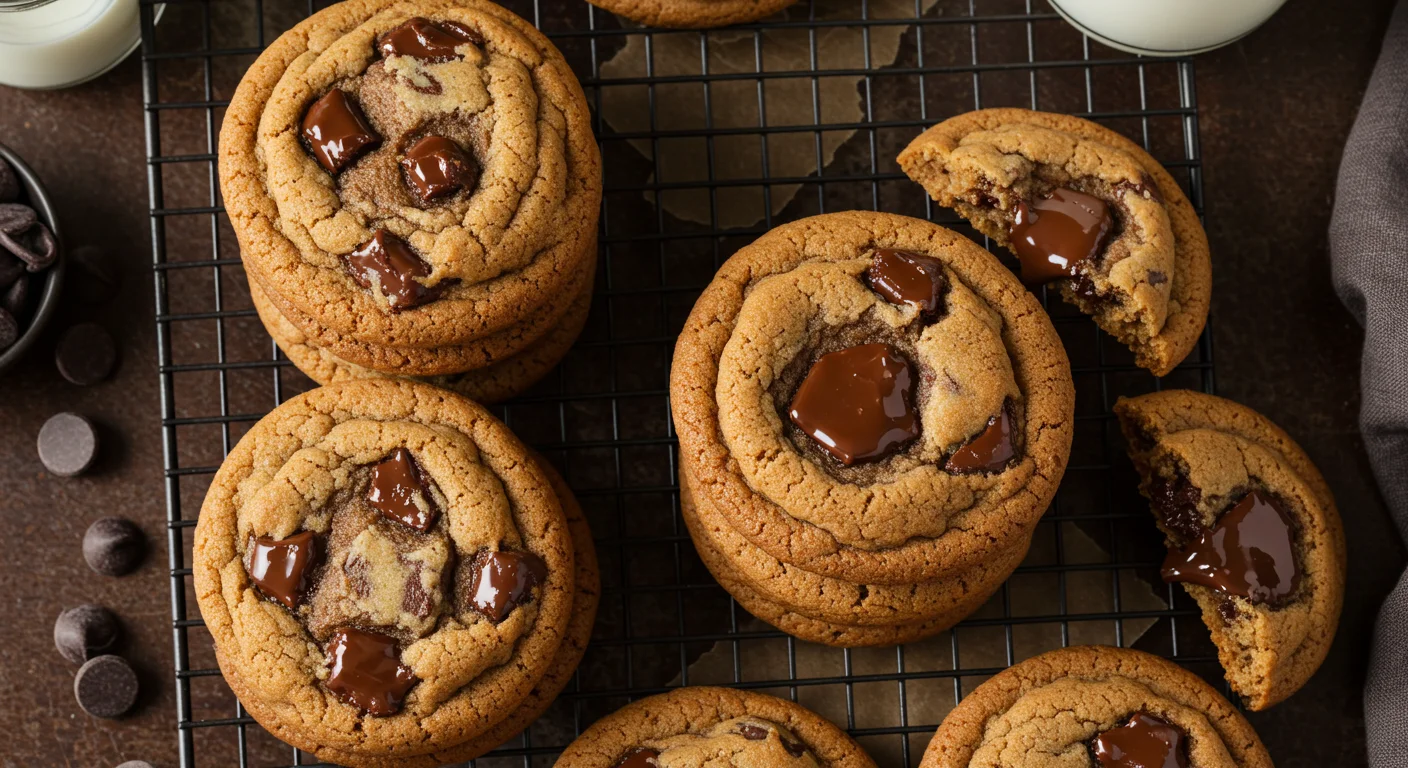
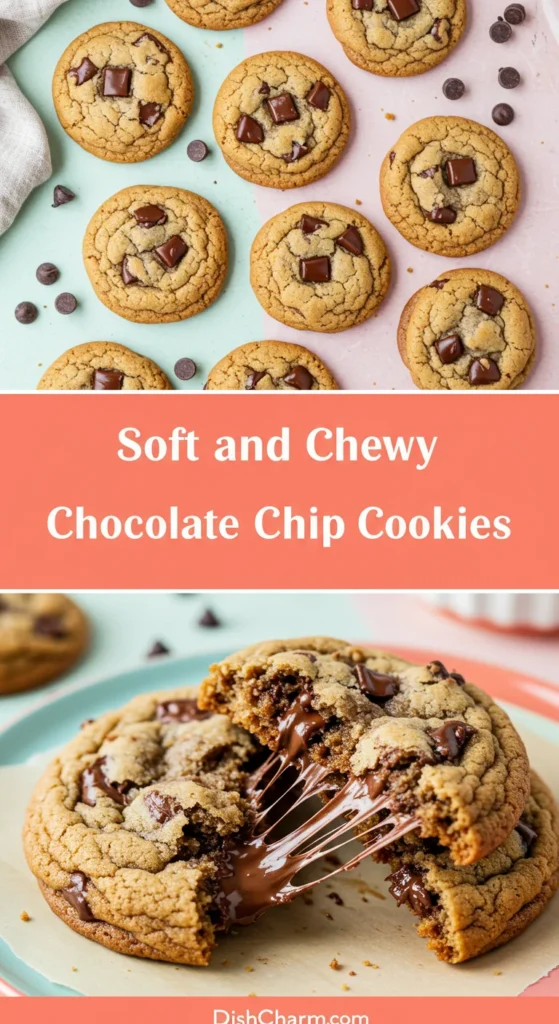
Soft and chewy chocolate chip cookies are a favorite for many because of their texture and rich flavor. The key to making these cookies soft and chewy lies in using melted butter, more brown sugar than white sugar, cornstarch, and an extra egg yolk, combined with chilling the dough before baking.
These ingredients and steps create a thick, tender cookie that melts in the mouth. Chilling the dough helps prevent spreading, ensuring the cookies stay thick and soft.
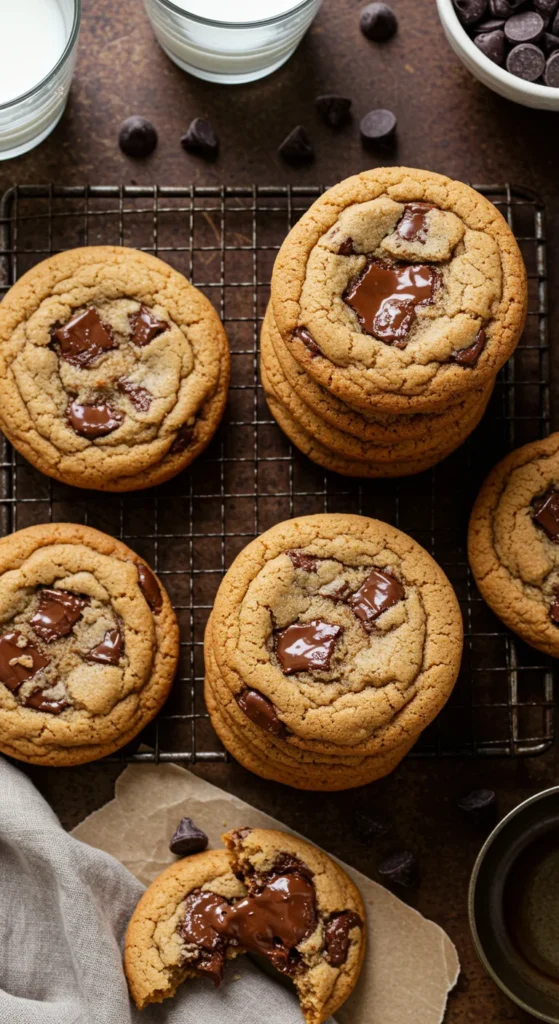
Shaping the dough into tall, lumpy balls instead of flat discs also adds to the bakery-style texture. Using quality chocolate chips or chunks adds melty pockets of chocolate that enhance every bite.
Key Ingredients for Soft and Chewy Chocolate Chip Cookies
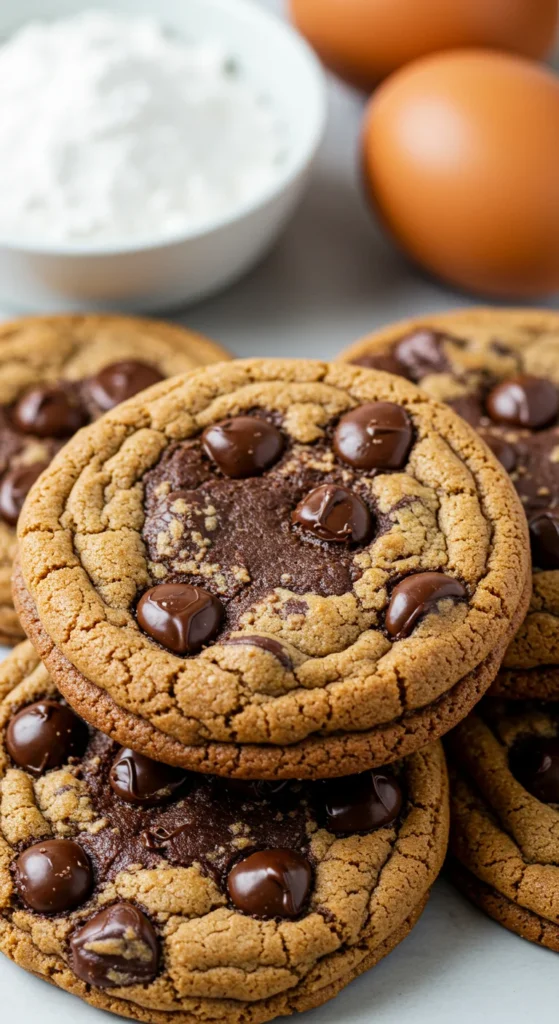
Soft and chewy chocolate chip cookies rely on the right balance of sugar, chocolate, butter, and eggs. Each ingredient affects texture and flavor in specific ways.
Understanding their roles helps achieve the perfect cookie with a tender center and slightly crisp edges.
Brown Sugar vs. Granulated Sugar
Brown sugar plays a crucial role in making cookies soft and chewy. It contains molasses, which adds moisture and a deeper flavor often described as butterscotch or caramel.
Dark brown sugar has more molasses than light brown sugar, making it ideal for richer taste and better chewiness. Granulated sugar contributes to cookie spread and provides some crunch.
It caramelizes during baking, helping create crisp edges. The right mix between brown and granulated sugar ensures cookies are not too dry or too crispy.
Bakers often use about twice as much brown sugar as granulated sugar in recipes focused on soft texture to keep cookies moist and tender.
Choosing the Best Chocolate Chips
The type of chocolate affects cookie taste and texture greatly. High-quality chocolate bars chopped into chunks often work better than regular chocolate chips.
Chocolate bars usually have higher cocoa butter content, allowing the chocolate to melt smoothly and form gooey pockets inside the cookies. Chocolate chips, in contrast, have less cocoa butter and hold their shape more during baking.
Using a mix of chopped chocolate and chocolate discs can create varied texture and richer chocolate flavor throughout the cookie.
The Role of Unsalted Butter and Eggs
Unsalted butter is preferred for soft and chewy chocolate chip cookies because it allows control over the cookie’s salt level, enhancing the overall flavor. Butter’s fat content adds moisture and richness, which is key for chewiness.
It also affects spread and browning during baking. Eggs provide moisture and act as a binding agent.
Using two whole large eggs gives enough liquid for a tender crumb without making the dough too wet or cakey. Eggs also help dissolve sugar and create structure that holds the cookie together while maintaining softness.
Chilling the dough after mixing allows the butter to firm up and the flour to absorb moisture, which helps control spreading and improves texture.
Perfecting the Cookie Dough
Creating soft and chewy chocolate chip cookies starts with the dough. Precise ingredient amounts, careful mixing, and proper chilling all shape the texture and thickness of the final cookie.
Ingredient Ratios for Optimal Texture
The balance between ingredients is key to chewy chocolate chip cookies. Using more brown sugar than white sugar adds moisture and chewiness.
Brown sugar’s natural molasses holds water, keeping cookies soft longer. Melted butter also plays a vital role.
It helps create a dense, chewy texture compared to softened butter but requires more flour to prevent greasiness. Typically, about 2¼ cups of all-purpose flour works well to absorb the extra moisture.
Adding cornstarch improves softness and thickness. It makes the dough tender without affecting flavor.
An extra egg yolk adds richness and binds ingredients for a soft, chewy bite. A small amount of pure vanilla extract enhances flavor without changing texture.
Mixing and Handling the Dough
Mixing starts by whisking dry ingredients like flour, baking soda, cornstarch, and salt separately. Separately, melted butter is blended with sugars until smooth.
Eggs and vanilla extract mix into the wet ingredients next. Combining wet and dry ingredients gently with a spatula keeps the dough soft and thick.
Overmixing can toughen cookies. Because melted butter creates a slick dough, chocolate chips may slip out during stirring.
Keeping the dough slightly sticky is normal. Using a cookie scoop to portion the dough ensures uniform sizes.
Shaping dough balls tall, rather than flat, leads to thicker cookies with a bakery-style look.
Importance of Chilling the Dough
Chilling dough is critical for controlling cookie spread and building texture. Cold dough firms up fats, which slows melting during baking.
This results in cookies that don’t flatten. Refrigerate the dough for at least 2–3 hours, or up to 3 days for best results.
Longer chilling deepens flavor and improves chewiness. If dough is too hard to scoop after chilling, letting it sit at room temperature for 15 minutes softens it slightly without losing benefits.
Chilling before baking helps produce thick, soft-centered cookies with crisp edges and prevents thin, crispy results.
Essential Baking Techniques
Soft and chewy chocolate chip cookies require careful attention to ingredient ratios, mixing methods, and baking control. Key factors include how dough is prepared, the role of baking soda, correct oven settings, and proper cooling to maintain texture.
How to Make Chocolate Chip Cookies
Mixing butter and sugars until just combined is important to keep the cookies soft. Over-creaming can make cookies crisp instead of chewy.
Eggs add moisture and help dissolve sugar, so using the right number of eggs is crucial. Flour must be measured properly, preferably by weight, to avoid dry or greasy dough.
Folding in chopped chocolate instead of chips produces better melting pockets. Dough should chill in the refrigerator for at least 2 hours to firm the butter and hydrate flour, which limits spreading and improves texture.
Baking Soda and Bicarbonate of Soda
Baking soda, also known as bicarbonate of soda, is essential for soft and chewy cookies. It reacts with the natural acidity in brown sugar to create carbon dioxide, which helps the dough spread and rise slightly.
This alkaline reaction encourages Maillard browning, giving cookies their golden color and caramel flavors. Using baking soda instead of baking powder results in denser, chewier cookies with deeper flavor and better color.
Experts recommend precise amounts—too much can cause over-spreading and burnt edges, while too little leads to pale, dense cookies.
Baking Times and Temperatures
Baking at a moderate temperature around 350°F (175°C) lets cookies bake evenly without becoming too crisp. Baking for about 8-12 minutes is typical, but timing varies depending on cookie size and oven.
Cookies are done when edges are golden and centers look slightly undercooked. They firm up while cooling, so removing them too late can cause dryness.
A consistent oven temperature and monitoring closely during the last minutes are key to achieving soft centers with crisp edges.
Cooling and Storage Tips
Cookies continue cooking slightly after removal from the oven, so cooling on the baking sheet for 5 minutes helps maintain softness. Transferring them to a wire rack afterward prevents sogginess.
Store cookies in an airtight container to keep moisture in. Adding a slice of bread can help maintain softness by slowly releasing moisture.
Avoid refrigerating baked cookies as this can make them dry and hard. Proper cooling and storage keep cookies chewy for several days.
Customizing Your Cookies
Soft and chewy chocolate chip cookies can be adjusted to suit different tastes and dietary needs. Swapping or adding ingredients can change texture, flavor, and nutrition without losing the classic appeal.
Experimenting with Different Add-Ins
Adding mix-ins can enhance flavor and texture. Common choices include nuts like walnuts or pecans for added crunch.
Dried fruit such as raisins turns these cookies toward oatmeal raisin cookie territory, with a chewier bite and natural sweetness. Chocolate can be varied too.
Using chopped dark or milk chocolate bars creates melty pockets, while chocolate chips hold shape but melt less. Some bakers add white chocolate or butterscotch chips for a sweeter twist.
Spices like cinnamon or nutmeg bring warmth, especially useful when adding dried fruit. Coconut flakes or oats can also add chewiness and body.
When adding extra ingredients, reduce flour slightly to keep the dough balanced.
Alternative Flours and Substitutions
Swapping all-purpose flour affects texture and flavor. Using whole wheat flour adds nuttiness and a denser, chewier crumb.
To avoid dryness, replace only part of the flour with whole wheat and add a little extra moisture, like an extra egg yolk. Gluten-free options include almond or oat flour.
Almond flour adds moisture and richness but may make the dough softer and more fragile. Oat flour gives a mild flavor and pairs well with oats for texture.
Butter is key for flavor and texture, but some replace part of it with coconut oil for a dairy-free version. Eggs can be substituted with flaxseed meal mixed with water to maintain moisture in egg-free dough.
Adjusting these ingredients carefully helps maintain the soft and chewy texture that defines a classic chocolate chip cookie.
Frequently Asked Questions
Soft and chewy chocolate chip cookies depend on specific ingredients and baking times. The right sugar, baking method, and storage also affect texture.
Adjustments may be needed for different conditions like high altitude. Freezing dough is possible without losing softness.
What ingredients ensure a chewy texture in chocolate chip cookies?
Using more brown sugar than white sugar adds moisture, which helps keep cookies chewy. Melted butter creates a softer texture with crispy edges.
Adding cornstarch can also soften the gluten, making the cookies less tough and more chewy.
How long should you bake chocolate chip cookies for a soft result?
Bake cookies just until the edges are set but the centers still look slightly underbaked. This usually takes about 8 to 12 minutes, depending on oven and cookie size.
Cookies continue cooking after they are removed, so removing them a little early keeps them soft.
Which type of sugar is best for soft chocolate chip cookies?
Brown sugar is best for soft and chewy cookies because it contains moisture. Using more brown sugar than white sugar adds softness and helps retain chewiness.
White sugar makes cookies crisper and less moist.
What is the trick to keeping chocolate chip cookies chewy after they cool?
Do not overbake cookies, as they will dry out and become crisp. Store cookies in an airtight container, often with a slice of bread or a damp paper towel to keep moisture inside.
This helps maintain softness for several days.
How do you adjust a classic chocolate chip cookie recipe for high altitude baking?
At high altitudes, reduce baking powder or soda slightly to avoid excessive rise. Increase flour a bit to prevent cookies from spreading too much.
Shorten baking time slightly since things bake faster at high altitudes.
Can you freeze the dough for soft and chewy chocolate chip cookies?
Yes, cookie dough can be frozen before baking. Form dough into a disc and wrap it tightly in plastic.
Freeze for up to three months. Thaw dough in the fridge overnight.
Let it sit at room temperature for 15 minutes before baking.
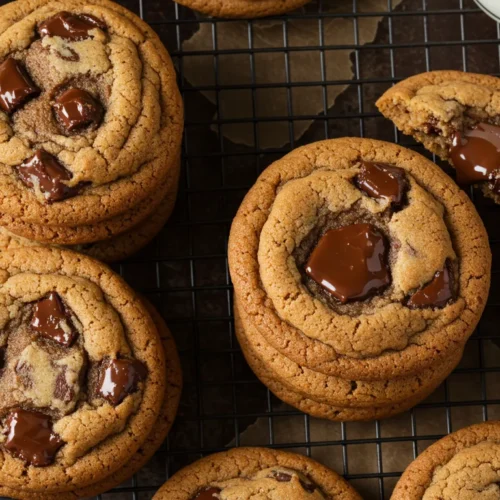
Soft and Chewy Chocolate Chip Cookies
Equipment
- 1 Mixing Bowls For combining ingredients gently.
- 1 Whisk For blending dry ingredients.
- 1 Spatula For folding in chocolate chips and handling dough.
- 1 Measuring Cups/Spoons Ensures accurate portions of ingredients.
- 1 Cookie scoop For uniform cookie sizes.
- 1 Baking Sheet Line with parchment paper or a silicone mat to prevent sticking.
- 1 Wire cooling rack For cooling cookies after baking.
Ingredients
- 1 cup Unsalted butter (melted) Adds moisture and richness; control over salt level enhances flavor.
- 1¼ cups Dark brown sugar Contains molasses for moisture and caramel-like flavor.
- ½ cup Granulated sugar Provides structure and slight crispness on edges.
- 1 large Egg Acts as a binder and adds moisture.
- 1 large Egg yolk Extra yolk adds richness and helps create a chewy texture.
- 2 tsp Pure vanilla extract Enhances overall flavor without affecting texture.
- 1¾ cups All-purpose flour Provides structure; measure by weight for accuracy.
- ½ tsp Baking soda Reacts with brown sugar for rise and browning.
- ½ tsp Cornstarch Softens gluten for a tender crumb.
- ½ tsp Salt Balances sweetness and enhances flavor.
- 2 cups Semi-sweet chocolate chunks High-quality chocolate melts smoothly for melty pockets.
Instructions
Step-by-Step Recipe
Prepare Dry Ingredients:
- In a medium bowl, whisk together flour, baking soda, cornstarch, and salt. Set aside.
Mix Wet Ingredients:
- In a large mixing bowl, combine melted butter, brown sugar, and granulated sugar. Whisk until smooth and slightly creamy.
- Add the egg, egg yolk, and vanilla extract. Mix until fully combined.
Combine Wet and Dry Ingredients:
- Gradually add the dry ingredients to the wet mixture, stirring gently with a spatula until just combined. Avoid overmixing.
- Fold in chocolate chunks until evenly distributed throughout the dough.
Chill the Dough:
- Cover the dough with plastic wrap and refrigerate for at least 2 hours, or up to 3 days. This firms up the butter and improves texture.
Preheat and Shape Dough:
- Preheat the oven to 350°F (175°C). Line a baking sheet with parchment paper.
- Use a cookie scoop to portion the dough into tall, lumpy balls (about 1.5 tablespoons each). Space them about 2 inches apart on the baking sheet.
Bake the Cookies:
- Bake for 8–12 minutes, or until the edges are golden and the centers look slightly underbaked. Rotate the pan halfway through baking for even results.
Cool and Store:
- Let cookies cool on the baking sheet for 5 minutes, then transfer to a wire rack to cool completely. Store in an airtight container to maintain softness.
Notes
-
- Storage: Store cookies in an airtight container at room temperature for up to 5 days. Add a slice of bread to maintain softness.
- Freezing: Freeze unbaked dough balls on a baking sheet, then transfer to freezer-safe bags for up to 3 months. Bake directly from frozen, adding 1–2 minutes to the baking time.
- High Altitude Adjustments: Reduce baking soda slightly, increase flour, and shorten baking time due to faster baking at high altitudes.
Frequently Asked Questions
-
What ingredients ensure a chewy texture?
- Melted butter, more brown sugar than white sugar, cornstarch, and an extra egg yolk.
-
How long should cookies bake for a soft result?
- Bake for 8–12 minutes, removing when edges are set but centers still look slightly underbaked.
-
Which type of sugar is best for soft cookies?
- Brown sugar is ideal because it contains moisture, which keeps cookies soft and chewy.
-
How do you keep cookies chewy after cooling?
- Store in an airtight container with a slice of bread or damp paper towel to retain moisture.
-
How do you adjust the recipe for high altitude?
- Reduce baking soda, increase flour, and shorten baking time slightly.
-
Can you freeze the dough?
- Yes, freeze dough balls for up to 3 months. Thaw briefly before baking.
Tips & Tricks
- Flavor Enhancement: Use high-quality chocolate bars chopped into chunks for melty pockets and richer flavor.
- Presentation: Sprinkle a pinch of flaky sea salt on top of cookies before baking for a sweet-and-salty finish.
- Leftovers: Reheat cookies in a 300°F oven for 3–5 minutes to restore softness and freshness.
Plating and Garnishing
- Garnish: Sprinkle coarse sea salt or powdered sugar on top for added visual appeal.
- Serving Style: Arrange cookies on a plate or platter with a glass of milk or a scoop of vanilla ice cream for a classic pairing.
- Sides: Serve with coffee, tea, or a warm mug of hot cocoa for a cozy treat.