Creamy Beef and Mushroom Pasta: Ultimate Comfort Food Guide
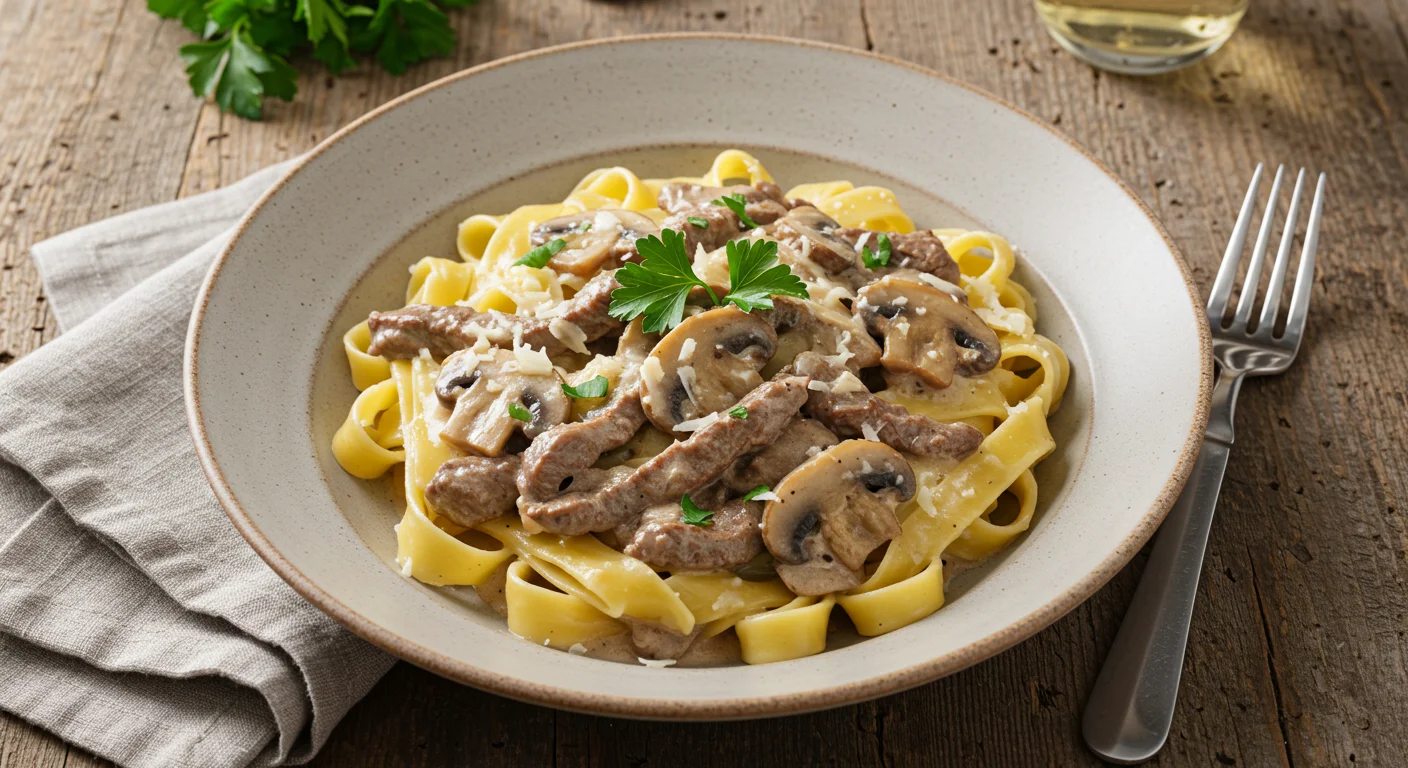
Creamy Beef and Mushroom Pasta brings together tender beef, earthy mushrooms, and a smooth sauce that coats every bite of pasta. It’s a dish that balances richness with comfort, making it easy enough for weeknights yet satisfying enough for special occasions.
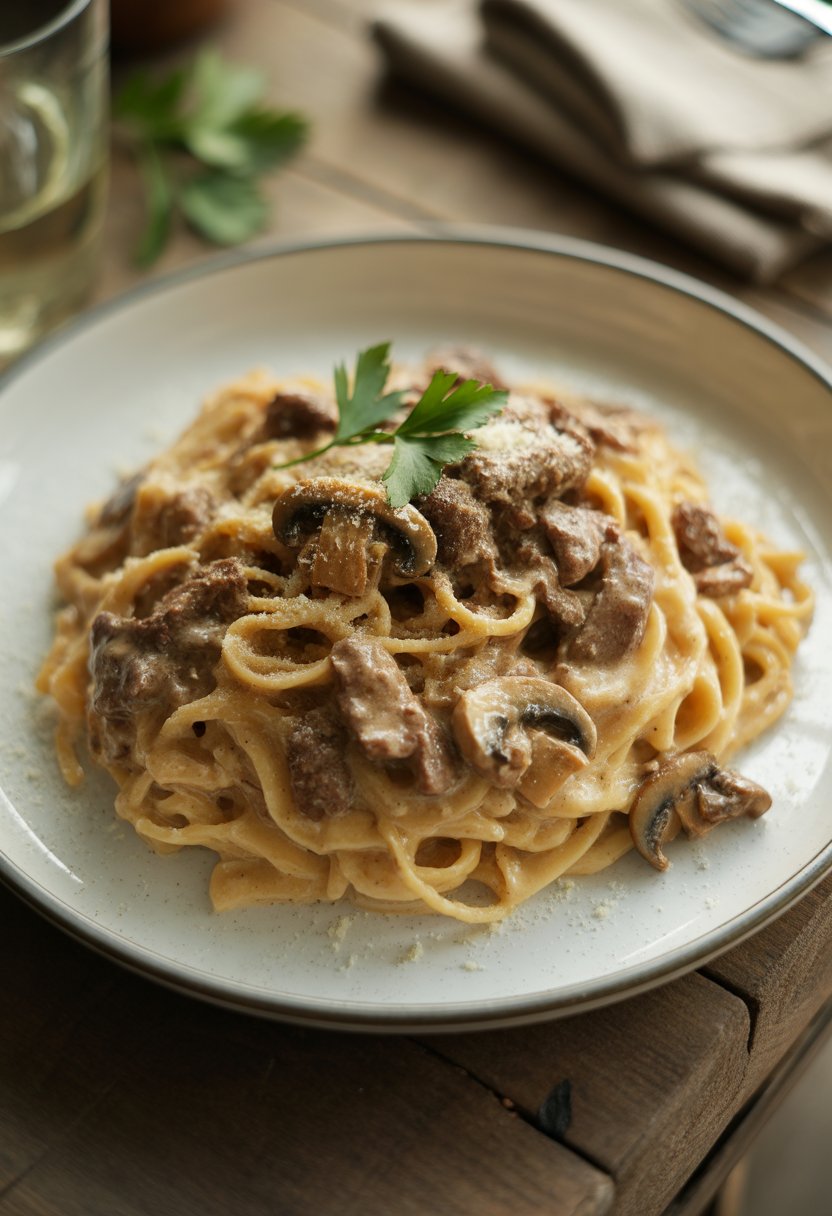
The key lies in how each element is prepared. Properly searing the beef, browning the mushrooms, and building a sauce that stays silky instead of heavy all make the difference between a basic meal and one that feels complete.
With just a few adjustments, anyone can achieve a creamy texture that clings to pasta instead of pooling at the bottom of the plate. Beyond the basics, this dish adapts well to different tastes and needs.
From swapping cuts of beef to adjusting the creaminess or adding vegetables, it offers flexibility without losing its appeal. Pairing suggestions, storage tips, and make-ahead options make it practical for both quick dinners and planned gatherings.
Key Ingredients for Creamy Beef and Mushroom Pasta
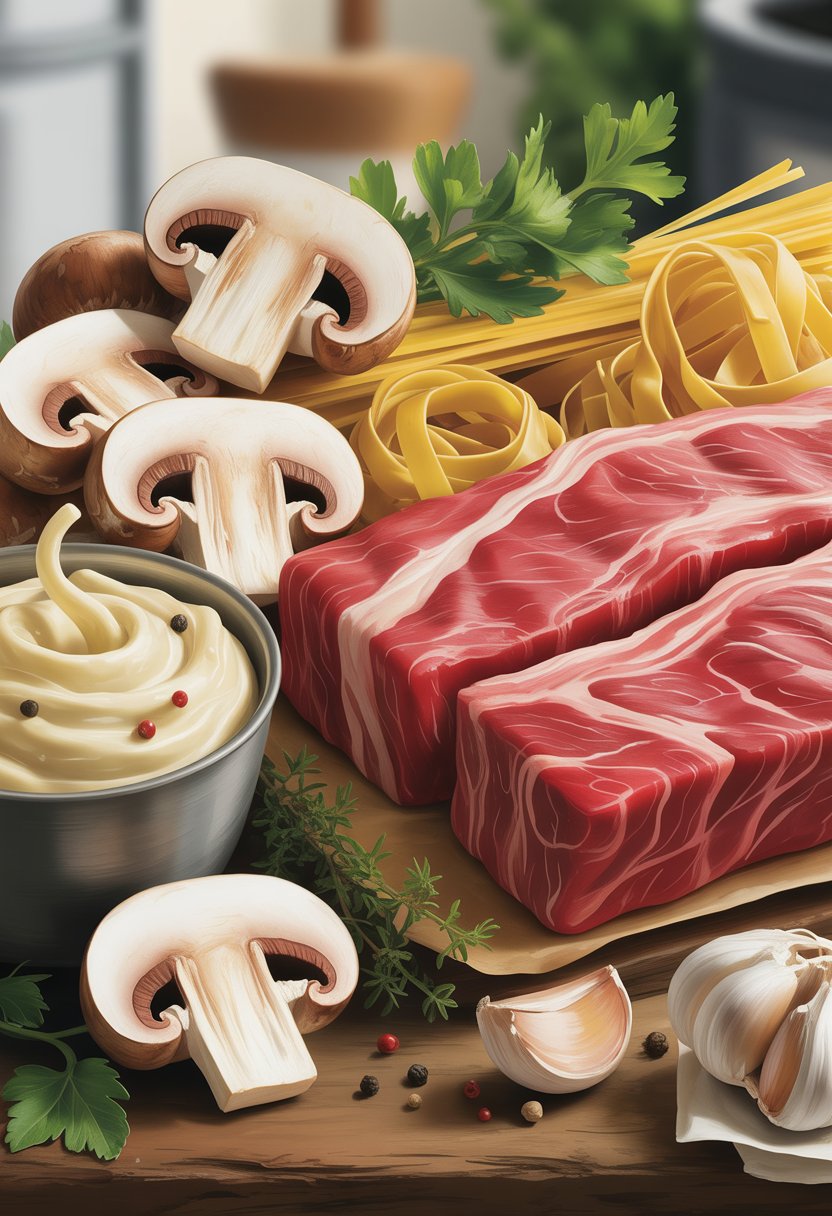
This dish depends on a balance of hearty protein, earthy vegetables, and a smooth, flavorful sauce. Each component plays a role in building depth, texture, and richness without unnecessary complexity.
Choosing the Best Ground Beef
Ground beef forms the base of the dish, so quality matters. An 80/20 blend (80% lean, 20% fat) works well because the fat adds flavor and keeps the meat tender.
Leaner beef can be used but may require extra olive oil or butter to prevent dryness. When cooking, the beef should be browned evenly over medium-high heat.
Breaking it into small crumbles ensures it blends smoothly with the sauce. Draining excess grease helps avoid an overly heavy dish, though leaving a little fat adds richness.
Some cooks prefer to season the beef lightly with salt and pepper during browning. This step builds flavor early and prevents the meat from tasting flat once combined with mushrooms and cream.
Selecting and Preparing Mushrooms
Mushrooms add a deep, savory umami flavor that balances the richness of the beef. Cremini or baby bella mushrooms are popular choices because they have more flavor than white button mushrooms but remain easy to find.
For a stronger taste, shiitake mushrooms can be added in smaller amounts. Cleaning mushrooms should be done with a damp cloth or quick rinse, not soaking, to avoid excess water.
Slicing them evenly ensures they cook at the same rate. Cooking mushrooms in olive oil or butter until golden brown is key.
This step develops flavor through browning and prevents them from becoming rubbery. Pairing them with onion and garlic enhances the base of the creamy sauce.
Essential Dairy and Pantry Staples
The creamy sauce relies on dairy for texture and flavor. Heavy cream creates the richest consistency, while half-and-half offers a lighter option.
Parmesan cheese thickens the sauce and adds a salty, nutty taste that balances the beef and mushrooms. Butter often appears at the start of cooking to sauté onions, garlic, and mushrooms.
Olive oil can be used alone or with butter for added depth. Beef broth is another important staple, as it thins the sauce while reinforcing the savory flavor of the meat.
Saving a small amount of pasta water can also help adjust the sauce consistency without diluting taste.
Herbs, Seasonings, and Flavor Enhancers
Seasonings bring balance and freshness to the dish. Salt and pepper remain essential, but herbs like dried oregano or fresh parsley add brightness.
A small pinch of red pepper flakes introduces gentle heat without overwhelming the creamy sauce. Garlic and onion form the aromatic base, and both should be cooked until softened before adding liquids.
These flavors blend seamlessly with mushrooms and beef. Spinach can be stirred in near the end for extra color and mild flavor.
It wilts quickly in the hot sauce and pairs well with Parmesan. Together, these additions create a layered taste that feels complete without excess seasoning.
Step-by-Step Cooking Instructions
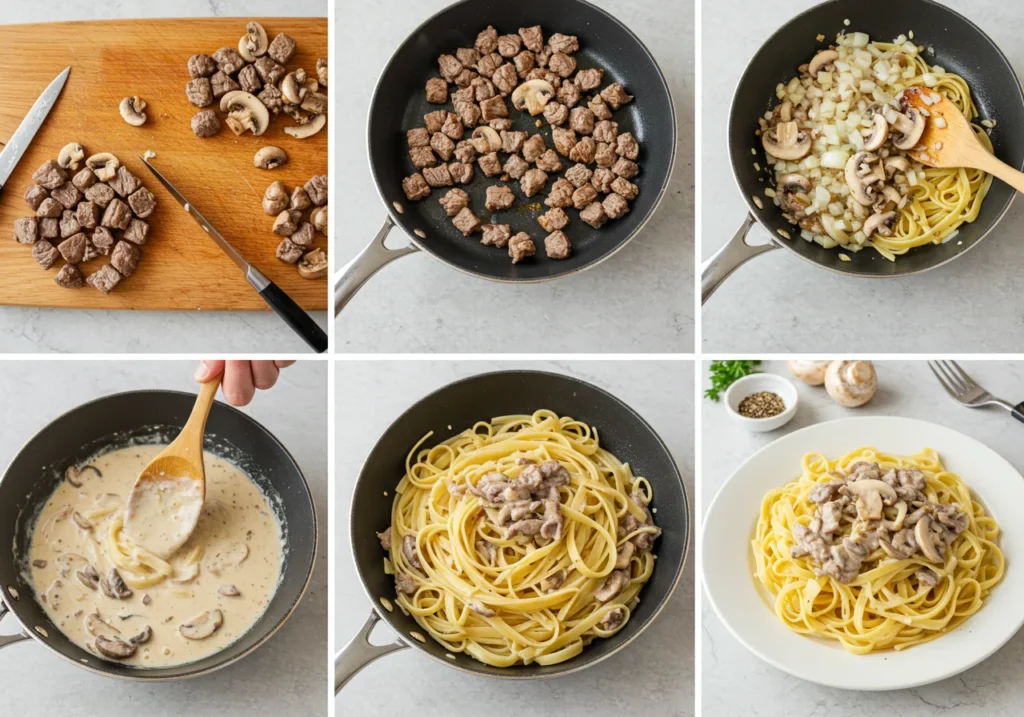
This dish comes together by browning ground beef with aromatics, cooking mushrooms until they release deep flavor, preparing a smooth cream sauce, and finally combining pasta with the sauce for a balanced finish.
Attention to timing and seasoning ensures the beef stays tender, the mushrooms develop umami, and the sauce coats each bite evenly.
Sautéing Beef and Aromatics
Heat a large skillet over medium-high heat with 1 tablespoon of olive oil or butter. Add the ground beef and break it apart with a wooden spoon.
Cook for 4–5 minutes until browned and no longer pink. Season lightly with salt and black pepper.
Remove the beef and set it aside, leaving a thin layer of fat in the pan. If the pan is dry, add a small drizzle of oil.
Add finely chopped onion and cook for 3–4 minutes until softened. Stir in minced garlic and cook for 30 seconds, just until fragrant.
Avoid letting garlic burn, as it can turn bitter. This base builds flavor for the sauce that follows.
Cooking Mushrooms for Maximum Umami
Push the onions and garlic to one side of the skillet. Add sliced mushrooms—button, cremini, or a mix.
Spread them out in a single layer for even browning. Cook without stirring for 2–3 minutes so they sear instead of steaming.
Once they release liquid, stir occasionally and continue cooking until the liquid evaporates and the mushrooms turn golden. Season lightly with salt to help draw out moisture.
Proper browning develops umami, which balances the richness of the cream sauce. At this stage, the pan should have a mix of softened onions, garlic, and deeply flavored mushrooms ready to absorb the sauce.
Building the Creamy Sauce
Melt 1 tablespoon of butter in the center of the pan. Sprinkle in 2 tablespoons of flour and stir for about a minute to form a roux.
This step thickens the sauce and prevents lumps. Slowly whisk in about 1 ½ cups of beef broth, scraping the bottom to release browned bits.
Stir in ½ cup heavy cream or half-and-half for richness. Let the mixture simmer for 3–4 minutes until it thickens slightly.
Return the cooked beef to the skillet and mix well. Adjust seasoning with salt and pepper.
For extra depth, add a teaspoon of Worcestershire sauce or Dijon mustard if desired. The sauce should be smooth and coat a spoon evenly.
Combining Pasta and Final Touches
Meanwhile, cook pasta such as egg noodles, penne, or fusilli in salted water until just al dente. Reserve about ½ cup of pasta water before draining.
Add the drained pasta directly into the skillet with the sauce. Toss gently until each piece is coated.
If the sauce feels too thick, stir in a splash of reserved pasta water until it reaches the right consistency. Finish by stirring in grated Parmesan cheese for a savory boost.
Garnish with chopped parsley or chives. Serve immediately while the sauce is creamy and the pasta is tender.
Tips for Achieving the Perfect Creamy Texture
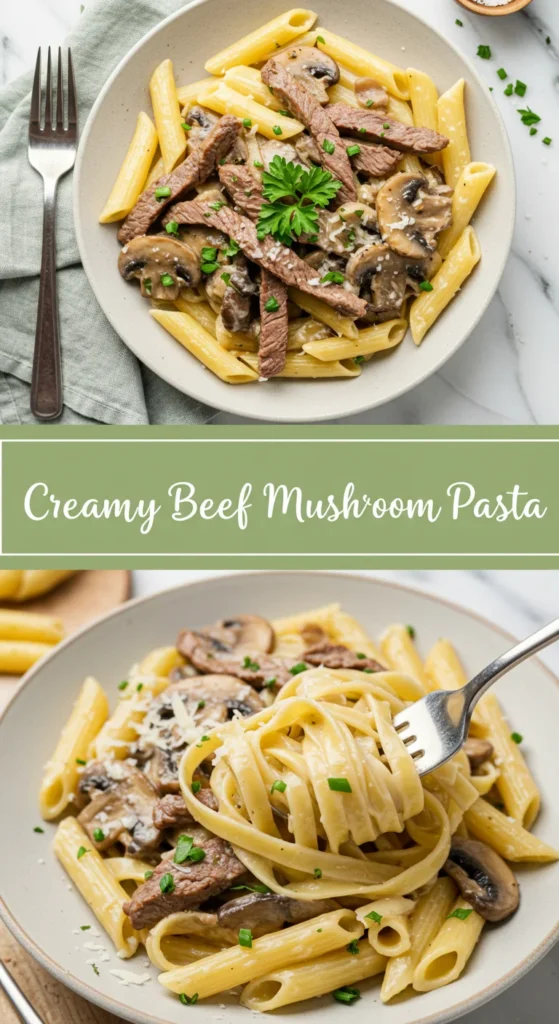
A smooth, creamy sauce depends on how the liquid base is balanced, how starchy pasta water is used, and how heat is controlled to avoid separation.
Small adjustments in these areas create a sauce that coats the pasta evenly without becoming heavy or grainy.
Balancing Cream and Broth
The right mix of heavy cream and beef broth builds a sauce that is rich but not overly thick.
Heavy cream gives body and smoothness, while broth lightens the texture and adds savory depth. Using only cream can make the sauce too heavy, while too much broth can make it watery.
A common approach is a ratio of about 2 parts cream to 1 part broth. For a lighter version, cooks often replace part of the heavy cream with half-and-half.
This reduces fat while still keeping the sauce creamy. Adding a small amount of butter at the end helps round out flavors and creates a silkier finish.
Using Pasta Water Effectively
Reserved pasta water plays an important role in achieving the right consistency. The starch in the water helps the sauce cling to the pasta instead of sliding off.
After draining the pasta, adding a few tablespoons of pasta water to the sauce allows better control over thickness. It can be added gradually until the sauce coats each strand or piece evenly.
If the sauce feels too rich, pasta water can also dilute it slightly without losing creaminess. This is more effective than adding plain water, which thins the sauce without binding it.
Preventing Sauce Separation
A common problem with cream-based sauces is separation, where fat and liquid split apart. This often happens when the sauce is boiled too hard or when ingredients are added too quickly.
Keeping the heat at a gentle simmer prevents the heavy cream from curdling. Stirring slowly while incorporating butter or cheese also helps maintain a stable emulsion.
Adding acidic ingredients, such as wine or mustard, should be done gradually and at lower heat. This prevents the cream from reacting too strongly and breaking.
With steady heat and careful mixing, the sauce stays smooth and unified.
Variations and Customizations
This dish adapts well to different tastes and dietary needs. Small changes, like adding vegetables, swapping cheeses, or adjusting spice levels, can shift the flavor and nutrition without complicating the cooking process.
Adding Spinach and Extra Vegetables
Spinach pairs well with the creamy sauce and earthy mushrooms. It wilts quickly, so it can be stirred in during the last two minutes of cooking.
This adds color, extra fiber, and nutrients like iron and vitamin K. Other vegetables also work well.
Peas, bell peppers, or zucchini can be sautéed with the onions and mushrooms for added sweetness and texture. Broccoli florets or green beans can be blanched separately and tossed in before serving.
For best results, balance the amount of vegetables with the sauce. Too many can thin out the creaminess, so it helps to add them gradually.
A handful of fresh parsley at the end brightens the flavors and adds freshness.
Cheesy Upgrades and Alternative Cheeses
Parmesan cheese is the most common choice because it melts smoothly and adds a salty, nutty flavor. A sprinkle at the end enhances the sauce without overpowering the beef and mushrooms.
Other cheeses can create different results:
| Cheese | Flavor | Texture | Best Use |
|---|---|---|---|
| Mozzarella | Mild, creamy | Melts stretchy | Mix into sauce for richness |
| Gruyère | Nutty, slightly sweet | Smooth melt | Adds depth to baked versions |
| Cheddar | Sharp, bold | Creamy but heavier | Use sparingly to avoid masking other flavors |
Combining Parmesan with one of these options can create a layered taste. For a lighter version, a small amount of grated cheese can be stirred in while keeping the focus on herbs and vegetables.
Spicing It Up with Red Pepper Flakes
Red pepper flakes add gentle heat that balances the richness of the cream sauce. They can be sprinkled in while sautéing garlic and onions to release more flavor into the oil.
The level of spice is easy to control. A pinch provides warmth, while a half teaspoon or more makes the dish noticeably spicy.
Serving extra flakes at the table lets each person adjust to taste. Pairing spice with fresh parsley keeps the flavors balanced.
The freshness of the herb offsets the heat, while the cream in the sauce softens the sharpness of the pepper. This creates a well-rounded flavor without overwhelming the main ingredients.
Serving Suggestions and Pairings
The texture of the pasta and the finishing touches on the plate both affect how well a creamy beef and mushroom pasta comes together. Choosing the right shape helps the sauce cling properly, while thoughtful garnishes add flavor, color, and balance.
Ideal Pasta Shapes for Creamy Sauces
Wide, flat noodles such as pappardelle, fettuccine, or tagliatelle work best with creamy sauces. Their broad surface holds the sauce evenly, preventing it from sliding off.
Short, ridged shapes like rigatoni or penne rigate are also effective. The grooves trap bits of beef, mushroom, and Parmesan, creating a hearty bite.
Smooth pasta like spaghetti or linguine is less effective, as the sauce tends to slip away.
When choosing pasta, consider how it interacts with the sauce. Al dente cooking is important because slightly firm pasta holds up better under creamy textures.
Overcooked pasta can collapse under the weight of the sauce, making the dish heavy.
For variety, some cooks prefer whole grain or legume-based pasta. These options add fiber and a nutty flavor that pairs well with the richness of beef and mushrooms.
Garnishing for Flavor and Presentation
Simple garnishes can brighten the dish and balance its richness. A sprinkle of fresh parsley adds freshness and color against the creamy sauce.
Finishing with freshly grated Parmesan cheese enhances umami and ties the flavors together. Freshly ground black pepper provides a mild bite that cuts through the cream.
A light drizzle of olive oil before serving can also add shine and subtle flavor.
For presentation, serve in a wide, shallow bowl. This keeps the pasta warm longer and allows garnishes to stand out.
Small details like these make the dish more appealing without complicating preparation.
Storage, Reheating, and Make-Ahead Tips
Creamy beef and mushroom pasta keeps well when stored correctly and reheats best with gentle heat. It can be prepared in advance for busy weeknight dinners.
Storing and Freezing Leftovers
Leftovers should be cooled to room temperature before storing. Place the pasta in an airtight container and refrigerate for up to 3 days.
This prevents the sauce from separating and keeps the beef tender. For longer storage, freezing works well.
Divide portions into freezer-safe containers or bags, leaving some space for expansion. Label with the date and store for up to 2 months.
When freezing, it helps to keep the pasta and sauce separate if possible. Cooked pasta can become softer after thawing, so storing them apart helps maintain better texture.
If already mixed, it is still safe to freeze, but expect a slightly creamier consistency once reheated.
Best Methods for Reheating
Reheating should be done slowly to avoid curdling or drying out the sauce. The stovetop is the most reliable method.
Place the pasta in a pan over low heat and add a splash of beef broth, milk, or cream to loosen the sauce. Stir often until warmed through.
The microwave works for small portions. Cover the dish loosely, heat in short intervals, and stir between each round.
This prevents uneven heating and keeps the pasta from drying out. If reheating from frozen, thaw overnight in the refrigerator before warming.
Direct reheating from frozen may cause uneven texture and longer cooking time.
Make-Ahead Meal Prep Ideas
This dish can be prepared in stages to save time. The beef and mushroom sauce can be cooked 1–2 days in advance and stored in the refrigerator.
When ready to serve, cook fresh pasta and mix it with the reheated sauce. For meal prep, portion the pasta and sauce into individual containers.
These make quick grab-and-heat lunches or dinners during the week. Another option is to cook the entire dish and refrigerate it unbaked in a casserole dish.
When ready, warm it in the oven at 350°F (175°C) until hot. This method works well for serving a family dinner with minimal effort on a busy night.
Frequently Asked Questions
This dish often uses ground beef, mushrooms, pasta, and a creamy sauce as its base. Variations can include lighter substitutions, different cooking methods, or adjustments to traditional sauces to create a balanced and flavorful meal.
What ingredients are needed for a simple creamy beef and mushroom pasta?
A basic version usually includes ground beef, mushrooms, onion, garlic, pasta, cream or milk, broth, Parmesan cheese, and seasonings such as salt, pepper, and Italian herbs.
Olive oil or butter is often used for cooking, and fresh parsley can be added for garnish.
How can I make a healthier version of creamy beef and mushroom pasta?
They can replace ground beef with ground turkey or chicken for less fat. Using whole wheat or gluten-free pasta adds more fiber.
Substituting heavy cream with low-fat milk, Greek yogurt, or light cream reduces calories while keeping the sauce creamy. Adding vegetables like spinach or bell peppers increases nutrition.
Can I use cream cheese to make creamy beef and mushroom pasta?
Yes, cream cheese can replace heavy cream in the sauce. It creates a thick, smooth texture and adds a mild tangy flavor.
To prevent clumping, it should be softened and stirred in gradually with a bit of pasta water or broth.
What are the steps to prepare creamy beef and mushroom stroganoff?
The beef is browned first, then onions, garlic, and mushrooms are sautéed. Broth and seasonings are added, followed by sour cream or cream to create the sauce.
The mixture is simmered until slightly thickened and then served over pasta or egg noodles.
Is it possible to make a creamy beef and mushroom pasta without using cream?
Yes, cream can be replaced with alternatives like milk thickened with flour, evaporated milk, or a blend of broth and Greek yogurt.
These options still create a creamy consistency without heavy dairy. Some recipes also use blended cottage cheese or cashew cream for a dairy-light variation.
How can I adapt a traditional Bolognese sauce for a creamy beef and mushroom pasta?
Start with a standard Bolognese base of ground beef, onion, carrots, celery, tomato paste, and broth.
Add mushrooms for depth.
Stir in cream or milk near the end of cooking for a smooth, creamy finish.
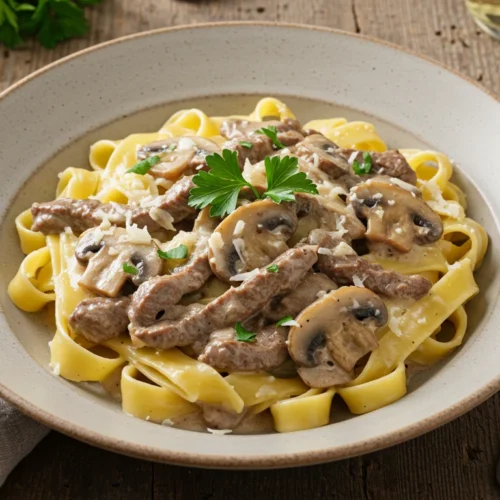
Creamy Beef and Mushroom Pasta
Equipment
- 1 Large skillet Nonstick works best for easy cleanup.
- 1 Wooden Spoon For breaking apart ground beef and stirring ingredients.
- Optional Tongs For tossing pasta with sauce.
Ingredients
Main Ingredients
- 1 lb Ground beef (80/20 blend) Leaner blends can be used but may require added fat for moisture.
- 8 oz Mushrooms (sliced) Cremini or baby bella for deeper flavor; white button mushrooms work too.
- 1 medium Onion (finely chopped) Adds sweetness and depth.
- 3 cloves Garlic (minced) Enhances aromatic flavor.
- 2 tbsp Butter For sautéing and adding richness.
- 2 tbsp All-purpose flour To thicken the sauce.
- 1½ cups Beef broth Adds savory depth to the sauce.
- ½ cup Heavy cream Half-and-half can be substituted for a lighter option.
- ½ cup Grated Parmesan cheese Adds nutty, salty flavor and thickens the sauce.
- To taste tsp Salt Adjust based on preference.
- To taste tsp Black pepper Freshly ground for better flavor.
Optional Garnishes
- 2 tbsp Chopped parsley or chives for freshness and color. Optional
- 1 pinch Red pepper flakes for gentle heat. Optional
Instructions
Step-by-Step Recipe
Sauté the Beef and Aromatics:
- Heat 1 tablespoon of butter or olive oil in a large skillet over medium-high heat. Add ground beef, breaking it apart with a wooden spoon. Cook for 4–5 minutes until browned and no longer pink. Season lightly with salt and pepper. Remove and set aside.
- In the same skillet, add chopped onion and cook for 3–4 minutes until softened. Stir in minced garlic and cook for 30 seconds until fragrant.
Cook the Mushrooms:
- Push onions and garlic to one side of the skillet. Add sliced mushrooms in a single layer. Cook undisturbed for 2–3 minutes to sear, then stir occasionally until golden and liquid evaporates. Season lightly with salt.
Build the Sauce:
- Melt 1 tablespoon of butter in the skillet. Sprinkle in flour and stir for 1 minute to form a roux. Slowly whisk in beef broth, scraping up browned bits from the bottom. Stir in heavy cream and let simmer for 3–4 minutes until slightly thickened. Return cooked beef to the skillet and mix well. Adjust seasoning with salt and pepper.
Cook the Pasta:
- Meanwhile, boil salted water and cook pasta (e.g., pappardelle, fettuccine, or rigatoni) until al dente. Reserve ½ cup of pasta water before draining.
Combine Pasta and Sauce:
- Add drained pasta to the skillet with the sauce. Toss gently to coat. If the sauce is too thick, stir in reserved pasta water a little at a time for desired consistency. Stir in grated Parmesan cheese for extra richness.
Garnish and Serve:
- Garnish with chopped parsley or chives and an optional sprinkle of red pepper flakes. Serve immediately while creamy and hot.
Notes
-
- Storage: Store leftovers in an airtight container in the refrigerator for up to 3 days. Reheat gently on the stovetop with a splash of broth or cream to maintain creaminess.
- Freezing: Divide portions into freezer-safe containers or bags. Freeze for up to 2 months. Thaw overnight in the fridge before reheating.
- Variations: Add spinach, peas, or bell peppers for extra nutrition. Swap Parmesan with other cheeses like Gruyère or mozzarella for a different flavor profile.
Frequently Asked Questions
-
What ingredients are needed for a simple creamy beef and mushroom pasta?
- Ground beef, mushrooms, onion, garlic, pasta, cream or milk, broth, Parmesan cheese, and seasonings like salt, pepper, and Italian herbs.
-
How can I make a healthier version of creamy beef and mushroom pasta?
- Use leaner proteins like ground turkey or chicken. Substitute whole wheat or gluten-free pasta. Replace heavy cream with low-fat milk, Greek yogurt, or light cream. Add vegetables like spinach or bell peppers for extra nutrients.
-
Can I use cream cheese to make creamy beef and mushroom pasta?
- Yes, cream cheese can replace heavy cream. Soften it first and stir in gradually with a bit of pasta water or broth to prevent clumping.
-
What are the steps to prepare creamy beef and mushroom stroganoff?
- Brown beef, sauté onions, garlic, and mushrooms, add broth and seasonings, then stir in sour cream or cream. Simmer and serve over pasta or egg noodles.
-
Is it possible to make a creamy beef and mushroom pasta without using cream?
- Yes, substitute cream with alternatives like milk thickened with flour, evaporated milk, or blended cottage cheese/cashew cream for a dairy-light version.
-
How can I adapt a traditional Bolognese sauce for a creamy beef and mushroom pasta?
- Start with a Bolognese base, add mushrooms for depth, and stir in cream or milk near the end of cooking for a smooth finish.
Tips & Tricks
- Flavor Enhancement: Add Worcestershire sauce or Dijon mustard for extra depth. A splash of white wine during the mushroom step adds brightness.
- Presentation: Garnish with fresh herbs like parsley or chives and a drizzle of olive oil for visual appeal. Serve in shallow bowls to highlight the creamy sauce.
- Leftovers: Transform leftovers into a baked casserole by topping with breadcrumbs and baking until bubbly.
Plating and Garnishing
- Garnish: Sprinkle chopped parsley, grated Parmesan, or red pepper flakes over the dish for freshness, color, and spice.
- Serving Style: Serve in wide, shallow bowls to showcase the creamy sauce and garnishes. Pair with crusty bread or a side salad for balance.
- Sides: Pair with steamed broccoli, roasted asparagus, or a crisp green salad for a complete meal.