Philly Cheesesteak Sandwiches: The Ultimate Guide to Authentic Flavor
The Philly cheesesteak sandwich has earned its place as one of the most recognizable comfort foods in America. Originating in Philadelphia, it combines thinly sliced beef, melted cheese, and a soft roll into a simple yet satisfying meal.
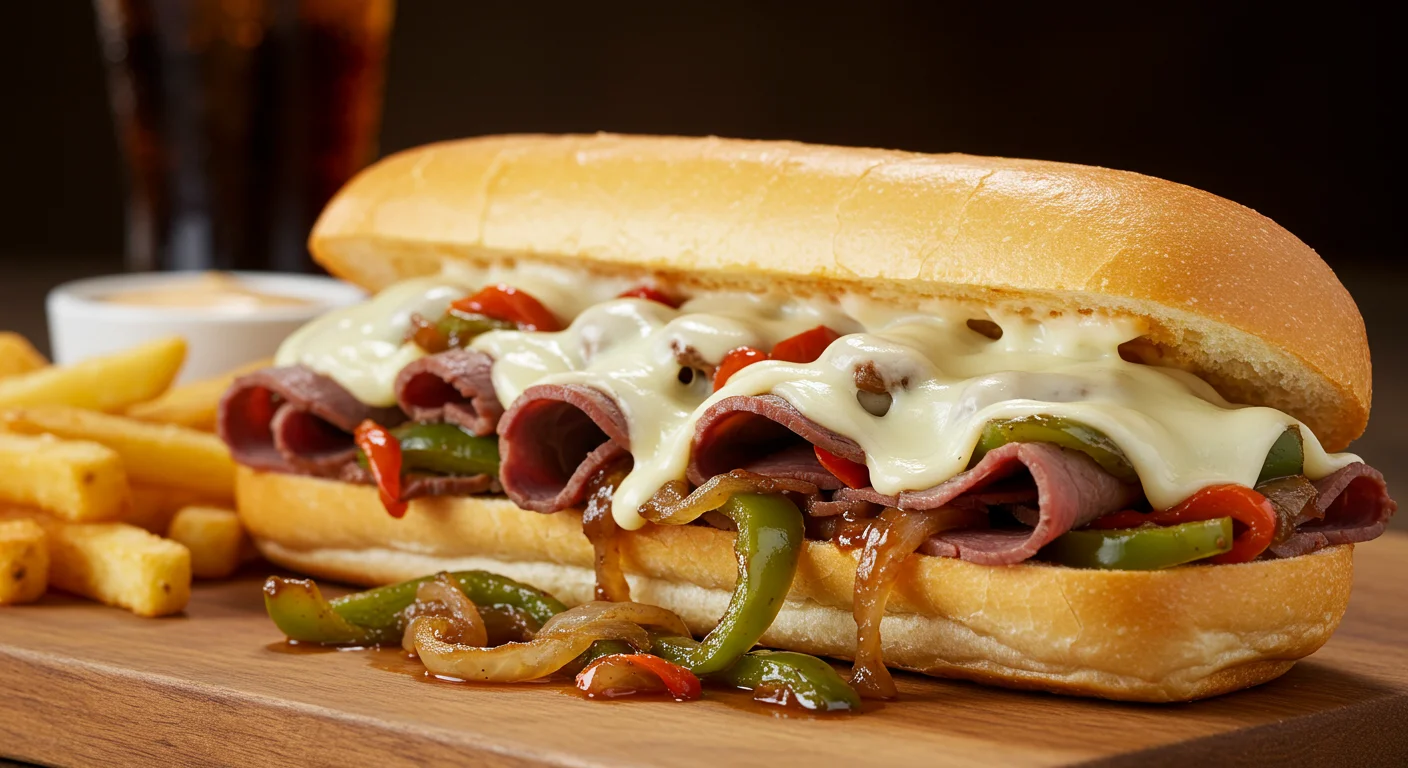
A true Philly cheesesteak sandwich is defined by its balance of tender meat, gooey cheese, and a fresh roll that holds everything together.
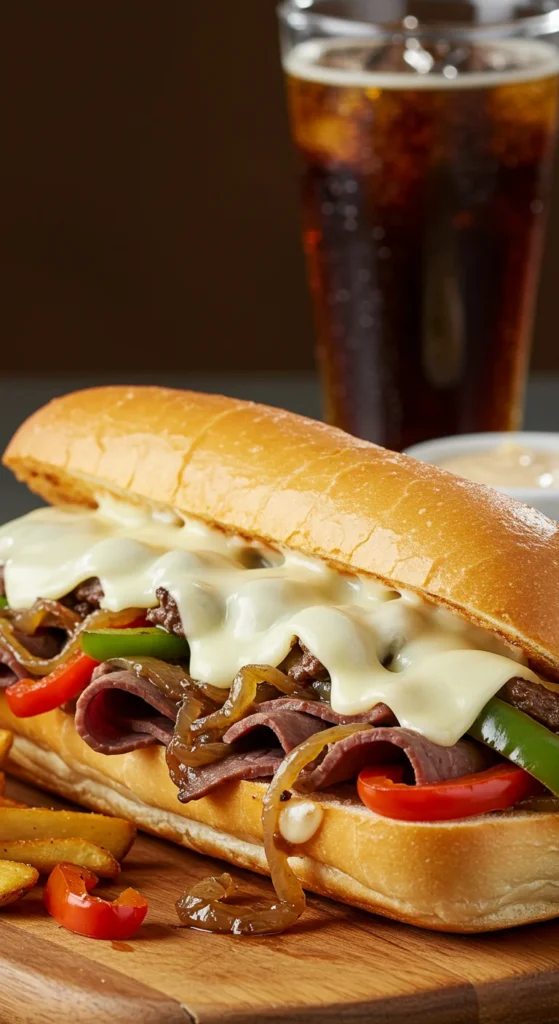
Many enjoy it in its classic form, while others experiment with variations that add peppers, mushrooms, or even different cheeses. This flexibility has helped the sandwich spread far beyond Philadelphia, showing up in cities like Dallas, where local shops put their own spin on the tradition.
Whether someone wants to learn what makes an authentic version, how to prepare one at home, or explore creative twists, the Philly cheesesteak offers plenty to discover.
What Is a Philly Cheesesteak?
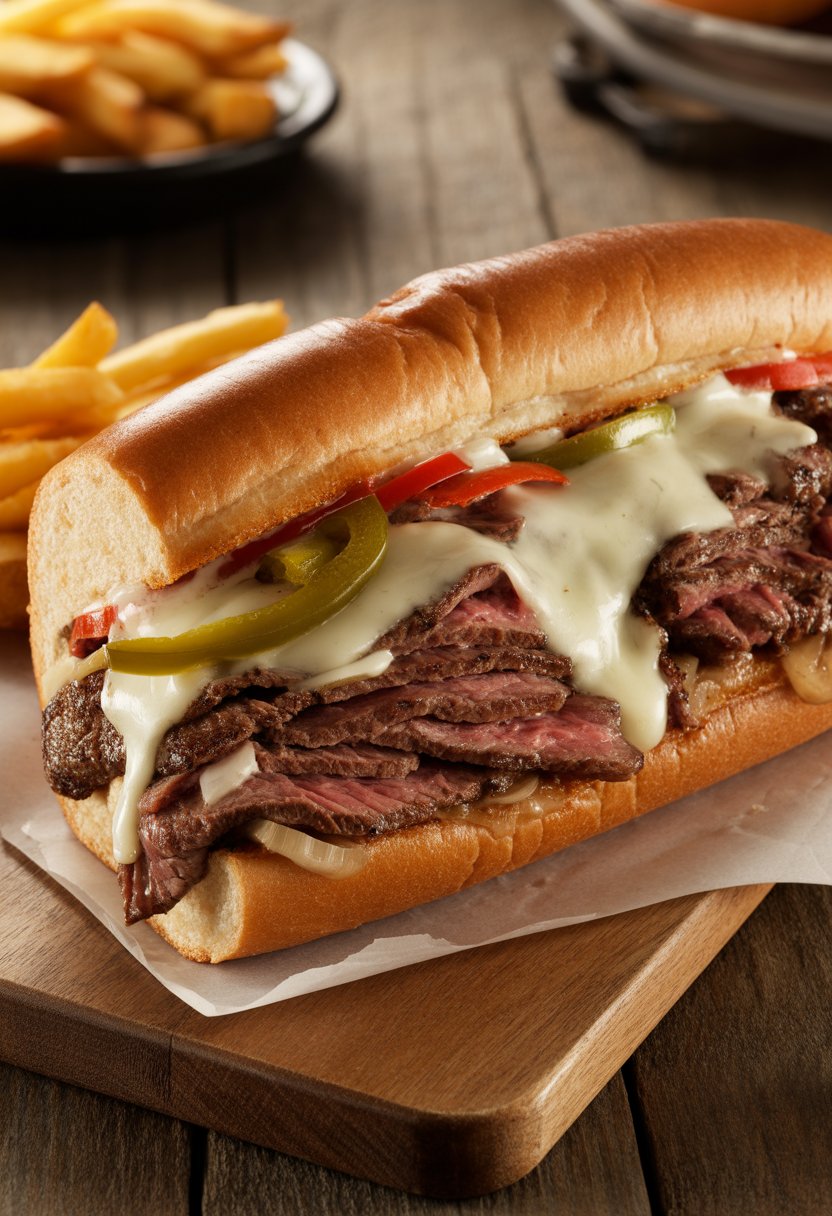
A Philly cheesesteak is a hot sandwich built from thinly sliced beef, melted cheese, and a long roll. It became tied to Philadelphia’s food identity through its origin story, signature ingredients, and its distinction from other beef sandwiches.
Origins and History
The Philly cheesesteak traces back to the early 20th century in Philadelphia. Pat Olivieri, who ran a hot dog stand, is widely credited with creating the first version in the 1930s.
He cooked chopped beef on a grill, placed it in an Italian roll, and caught the attention of a cab driver who asked for one. The sandwich quickly gained popularity, leading Olivieri to open Pat’s King of Steaks, a shop that still operates today.
At first, the sandwich contained only steak and onions. Cheese was not added until the 1950s, when American or provolone became common.
Over time, the cheesesteak spread beyond Philadelphia. Local shops, food carts, and national chains now serve variations, but the sandwich remains most closely linked with South Philadelphia and its Italian Market neighborhood.
Defining Ingredients
The sandwich centers on thinly sliced beef, often ribeye or top round. The meat cooks on a flat griddle, where it is browned and chopped with a spatula.
Cheese is added directly over the beef so it melts before being scooped into a roll. The roll is just as important.
In Philadelphia, Amoroso hoagie rolls are the standard. They are soft yet sturdy enough to hold the meat and cheese without falling apart.
Common cheese choices include:
- American cheese
- Provolone
- Cheez Whiz
Optional toppings include sautéed onions, mushrooms, peppers, ketchup, or hot sauce. While recipes vary, the essential formula is always beef, cheese, and bread.
Philly Cheesesteak vs. Other Beef Sandwiches
The Philly cheesesteak differs from other beef sandwiches in both preparation and flavor. A roast beef sandwich, for example, usually uses thicker slices of slow-cooked beef and is often served cold or with gravy.
By contrast, a Philly cheese steak uses thinly shaved beef cooked quickly on a griddle. The focus is on the combination of hot meat, melted cheese, and a fresh roll.
Unlike Italian beef sandwiches from Chicago, which are dipped in au jus, the cheesesteak avoids broth and relies on cheese for richness. This makes it a distinct regional style within the broader category of American beef sandwiches.
Essential Ingredients for Philly Cheesesteak Sandwiches
A proper Philly cheesesteak depends on a few key elements: tender beef sliced thin, sturdy bread that can handle the filling, melted cheese that blends smoothly, and toppings that add flavor without overwhelming the sandwich.
Each choice affects both taste and texture, making ingredient selection critical.
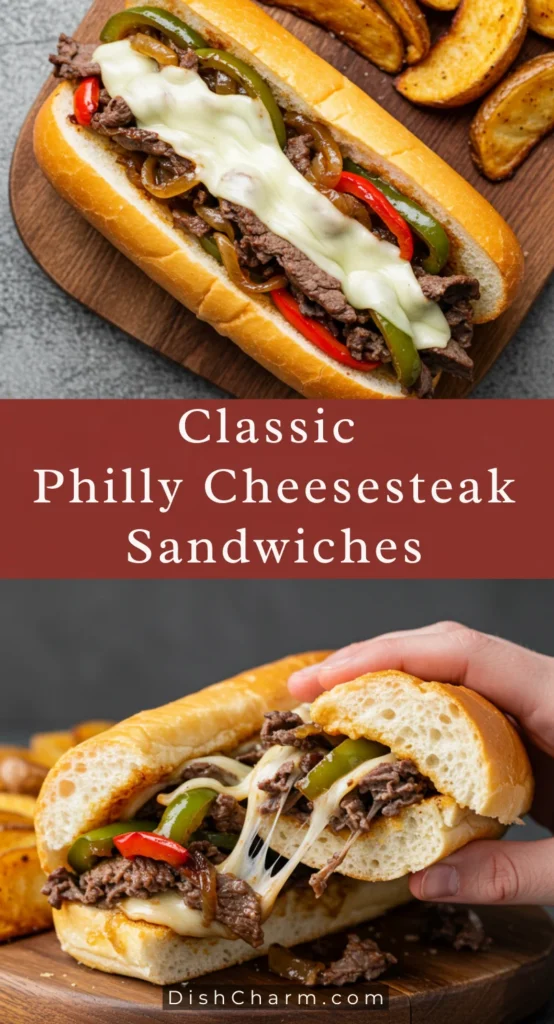
Choosing the Right Steak
The beef is the foundation of the sandwich. Ribeye steak is the most common choice because of its marbling, which provides both flavor and tenderness.
When thinly sliced against the grain, ribeye cooks quickly and stays juicy. Some cooks use sirloin or top round as alternatives.
These cuts are leaner and less expensive, but they can be tougher if not sliced very thin. Freezing the meat slightly before cutting makes it easier to achieve paper-thin slices.
Cooking is usually done on a flat-top griddle. The steak should be seared, chopped lightly with a spatula, and mixed with onions if desired.
Proper seasoning with salt and pepper is enough; heavy marinades are not traditional.
Selecting the Best Hoagie Rolls
Bread matters as much as the filling. The classic choice is the hoagie roll, often from local Philadelphia bakeries like Amoroso’s.
These rolls are soft inside but sturdy enough to hold hot beef and melted cheese without falling apart. Outside Philadelphia, bakers often substitute sub rolls or Italian-style sandwich rolls.
The key is finding bread with a light chew and a crust that doesn’t flake too much. Rolls that are too soft will collapse, while overly crusty bread makes the sandwich hard to eat.
A length of 8–10 inches works best. Rolls should be split but not fully cut through, creating a pocket that holds the filling securely.
Light toasting is optional but can help prevent sogginess.
Cheese Options and Variations
Cheese defines the flavor profile. The three most common options are:
- Provolone cheese: Mild, slightly tangy, and melts smoothly.
- American cheese: Creamy, with a softer melt and milder flavor.
- Cheez Whiz (or Cheez Wiz): Processed, spreadable cheese with a sharp, salty taste that some consider essential.
Other variations include Velveeta, which offers a similar melt to Cheez Whiz, though it is less traditional. The method of melting matters—cheese can be laid directly on the meat or spread onto the roll before filling.
Each approach changes how the flavors combine.
Classic Toppings and Add-Ins
The most common topping is onion, often cooked until caramelized for sweetness. Some prefer them fried lightly for a sharper bite.
Bell peppers, especially green bell pepper, and mushrooms are popular but not strictly traditional. They add texture and depth of flavor.
Garlic is sometimes sautéed with the vegetables for extra aroma. For heat, some add hot cherry peppers either sliced into the sandwich or served on the side.
These bring a tangy spice that balances the richness of the beef and cheese. Toppings should remain simple so the steak and cheese stay the focus.
How to Make Philly Cheesesteak Sandwiches
A good cheesesteak recipe depends on thinly sliced ribeye, well-cooked onions and peppers, melted cheese with the right texture, and a sturdy hoagie roll.
Careful preparation of each part makes the sandwich balanced, flavorful, and easy to eat.
Preparing and Slicing the Steak
Ribeye is the most common choice for a Philly cheesesteak recipe because it has enough fat to stay juicy when cooked quickly. Top round can also work if sliced thin.
The key is cutting the meat into very fine strips so it cooks evenly and remains tender. For best results, the steak should be partially frozen before slicing.
This makes it easier to cut against the grain. A sharp chef’s knife or a meat slicer helps achieve slices that are about 1/8 to 1/4 inch thick.
Some cooks season the steak lightly with salt, pepper, and a small pinch of garlic powder before cooking. Others prefer to keep the seasoning simple and let the beef flavor stand out.
Both methods work, but over-seasoning can take away from the authentic taste.
Cooking Onions and Peppers
Onions are a standard part of most cheesesteak recipes, while bell peppers are optional but widely used. Yellow or white onions caramelize well and add sweetness.
Green peppers provide a mild bitterness that balances the richness of the beef and cheese. To cook them, heat a skillet with a small amount of butter or oil.
Slice the onions and peppers thinly so they soften quickly. Cook over medium heat, stirring often, until the onions turn translucent and the peppers lose their raw bite.
Adding a touch of garlic butter near the end of cooking can deepen the flavor. The vegetables should be tender but not mushy, with a slight bite left for texture.
Set them aside until the steak is ready.
Melting Cheese for the Perfect Texture
Cheese is what ties the sandwich together. Traditional options include Cheez Whiz, provolone, or white American cheese.
Each melts differently, so the choice changes the texture of the sandwich. Cheez Whiz spreads smoothly over hot steak, creating a creamy layer.
Provolone and American cheese should be placed directly on the beef while it’s still in the pan so the heat melts them evenly. Covering the pan for a minute helps the cheese soften without burning.
For extra flavor, some cooks melt the cheese with a little butter or garlic butter before adding it to the sandwich. This step is optional but can create a richer, smoother texture.
Toasting and Assembling the Sandwich
The hoagie roll needs to be sturdy enough to hold the fillings without falling apart. A light toasting on a skillet or griddle helps prevent sogginess and adds a slight crunch.
Spreading a thin layer of butter or garlic butter on the inside before toasting enhances the flavor. To assemble, layer the melted cheese, cooked steak, and sautéed onions and peppers inside the roll.
Press the sandwich lightly to help everything stay in place. Some prefer adding cheese first, while others put it on top of the meat.
Both methods work, but placing cheese directly on the hot steak ensures better melting. Serve immediately while the roll is warm and the cheese is still gooey.
Nutrition and Health Information
A Philly cheesesteak provides a mix of protein, fat, and carbohydrates along with several important minerals. The nutrition profile can vary widely depending on portion size, ingredients, and preparation methods.
Calories and Macronutrients
A standard cheesesteak usually contains 350–400 calories for a moderate serving, though larger versions can exceed 1,000 calories. The calorie count comes mainly from the bread, beef, and cheese.
Protein is one of the sandwich’s strengths. A typical serving has 30–40 grams of protein, which helps with muscle repair and energy.
Fat content is also significant, often 20–25 grams per sandwich, with a mix of saturated and unsaturated fats. Carbohydrates come mostly from the hoagie roll, averaging 35–50 grams.
Sodium levels can be high, especially when processed cheese or added seasonings are used. Cholesterol varies but often ranges between 50–80 milligrams per serving.
| Nutrient (avg. serving) | Amount |
|---|---|
| Calories | 350–400 kcal |
| Protein | 30–40 g |
| Fat | 20–25 g |
| Carbohydrates | 35–50 g |
| Cholesterol | 50–80 mg |
Vitamins and Minerals
The beef in a cheesesteak provides iron, usually about 10–15% of daily needs, which supports oxygen transport in the blood. It also offers zinc and B vitamins, though these vary by cut of meat.
Cheese contributes calcium, often covering 15–25% of daily requirements, which supports bone health. Some versions also provide small amounts of vitamin A.
Vegetables like onions and peppers add modest amounts of vitamin C and potassium. However, the sandwich is not a major source of fiber or antioxidants unless extra vegetables are included.
Sodium levels can be high, sometimes over 800 mg per serving, depending on cheese and seasoning. This makes it important for people watching blood pressure to be mindful of portion size and frequency.
Tips for a Healthier Philly Cheesesteak
Using lean beef or chicken instead of fattier cuts lowers saturated fat and cholesterol. Choosing a whole grain roll adds fiber and nutrients while balancing the meal.
Limiting cheese or selecting reduced-fat cheese can cut calories and sodium. Adding more vegetables such as peppers, mushrooms, or spinach boosts vitamin C, potassium, and fiber.
Cooking methods also matter. Grilling instead of frying reduces extra fat.
Pairing the sandwich with a side salad or fruit instead of fries helps balance the meal and adds more vitamins and minerals.
Serving Suggestions and Pairings
Philly cheesesteak sandwiches taste best when paired with sides that balance their rich, savory flavor. Simple sauces and thoughtful planning also make them easier to serve, whether for a quick dinner or a larger gathering.
Classic Sides
French fries remain the most common choice, offering a crisp texture that contrasts well with the soft roll and tender beef. Variations like garlic parmesan fries or sweet potato fries add extra flavor without overwhelming the sandwich.
Onion rings provide another crunchy option. Their mild sweetness works well against the salty steak and cheese.
Coleslaw is also popular, as its cool crunch and tangy dressing help cut through the heaviness of the sandwich.
For those wanting lighter pairings, salads with fresh vegetables or roasted vegetables bring balance. A simple garden salad with cucumbers and tomatoes offers freshness, while roasted peppers or Brussels sprouts add warmth and depth.
Sauces and Condiments
Ketchup is the most familiar dip for fries or onion rings, but it can also complement the cheesesteak itself. Aioli, ranch, or spicy ketchup give extra variety for dipping sides.
Cheese sauce is another option, especially for those who enjoy a richer meal. Pickles add brightness and acidity, helping to refresh the palate between bites.
Dill pickles are the most common, but spicy or bread‑and‑butter pickles work just as well. Mustard or hot sauce can also be served on the side for guests who prefer a sharper kick.
Keeping condiments simple makes the sandwich easier to enjoy. Offering two or three well‑chosen dips or toppings usually works better than setting out too many options.
Making Philly Cheesesteaks for a Crowd
When preparing cheesesteaks for several people, planning ahead helps keep the process smooth. Pre‑slicing the beef, onions, and peppers allows for faster cooking.
Rolls can be warmed in the oven so they stay soft and ready to fill. Setting up a small topping station works well.
Guests can choose from cheese options, pickles, or sauces without slowing down the line. This method makes serving easier, especially at casual gatherings.
For an easy weeknight meal, cooking the meat and vegetables in one large skillet saves time. Keeping sides simple, such as fries or coleslaw, ensures the meal feels complete without requiring extra effort.
Regional Variations and Creative Twists
Cheesesteaks have expanded beyond the standard ribeye, onions, and cheese formula. Restaurants across Philadelphia and beyond experiment with new meats, breads, cheeses, and even entirely different dishes that borrow the flavors of the classic sandwich.
Modern Takes on the Classic
Many shops keep beef at the center but change the cut or preparation. Some use smoked brisket, bulgogi-style Korean barbecue, or even oxtail for deeper flavor.
Others swap the long roll for garlic bread, pretzel dough, or a Kaiser roll. Breakfast versions have also become popular.
A ribeye and egg cheesesteak with tater tots or hot sauce offers a hearty morning option. Upscale restaurants push the boundaries further with Wagyu beef, truffle oil, and foie gras.
Regional spins bring in cultural influences. Ethiopian-style cheesesteaks use berbere spices, while Caribbean-inspired versions feature jerk chicken or oxtail.
Alternative Cheeses and Toppings
While Cheez Whiz, provolone, and American remain the staples, many variations rely on less traditional cheeses. Cooper sharp, Monterey Jack, vegan cheddar, and even burrata appear on modern menus.
Toppings now range from fried potato sticks to kimchi. Sauces also play a larger role, with options like sriracha aioli, Cajun mayo, or truffle honey.
Some shops layer extra meats such as salami, kielbasa, or lamb. Others add vegetables like tomatoes, peppers, or mushrooms to balance richness.
Philly Cheesesteak-Inspired Dishes
The cheesesteak has influenced many other foods. Empanadas filled with steak, cheese, and onions are a handheld alternative.
Pretzel roll-ups pack the same ingredients into a snack-sized form. Restaurants also translate the flavors into pasta, pizza, and loaded fries.
Cheesesteak mac and cheese blends ribeye and melted cheese into a creamy dish, while cheesesteak pizza replaces tomato sauce with onions and beef. Some even merge it with other sandwiches.
A Monte Cristo sandwich filled with cheesesteak ingredients combines sweet and savory in one bite. These spinoffs show how flexible the core idea of beef, cheese, and bread can be.
Frequently Asked Questions
A Philly cheesesteak sandwich depends on the right balance of meat, cheese, and bread. Small details like the cut of beef, choice of cheese, and even homemade seasoning can make a noticeable difference in flavor and texture.
What are the traditional ingredients in a Philly Cheesesteak Sandwich?
The classic version uses thinly sliced beef, melted cheese, and sautéed onions. Some variations include peppers or mushrooms, but these are optional.
The sandwich is always served on a long, soft roll.
How do you make an authentic Philly Cheesesteak at home?
Start by cooking thin slices of beef on a flat pan until browned. Add onions or peppers if desired, then place cheese on top to melt.
Transfer everything onto a fresh hoagie roll and serve immediately.
What type of meat is best for creating a flavorful Philly Cheesesteak?
Ribeye is the most common choice because of its marbling and tenderness. Sirloin or top round can also work for a leaner option, though they may have less flavor.
Thin slicing is key for all cuts.
Which cheeses are commonly used in a classic Philly Cheesesteak Sandwich?
Provolone, American cheese, and Cheez Whiz are the most popular options. Each provides a different taste and texture, from sharp to creamy.
The choice usually depends on personal preference.
What kind of bread is ideal for a Philly Cheesesteak Sandwich?
A soft hoagie or sub roll is the standard. The bread should be sturdy enough to hold the filling but not so thick that it overpowers the meat and cheese.
Fresh rolls with a light crust work best.
How can I make a homemade seasoning mix for Philly Cheesesteak Sandwiches?
A simple mix can include salt, black pepper, garlic powder, and onion powder.
Some cooks add paprika or crushed red pepper for extra flavor. Season lightly so the beef remains the main focus.