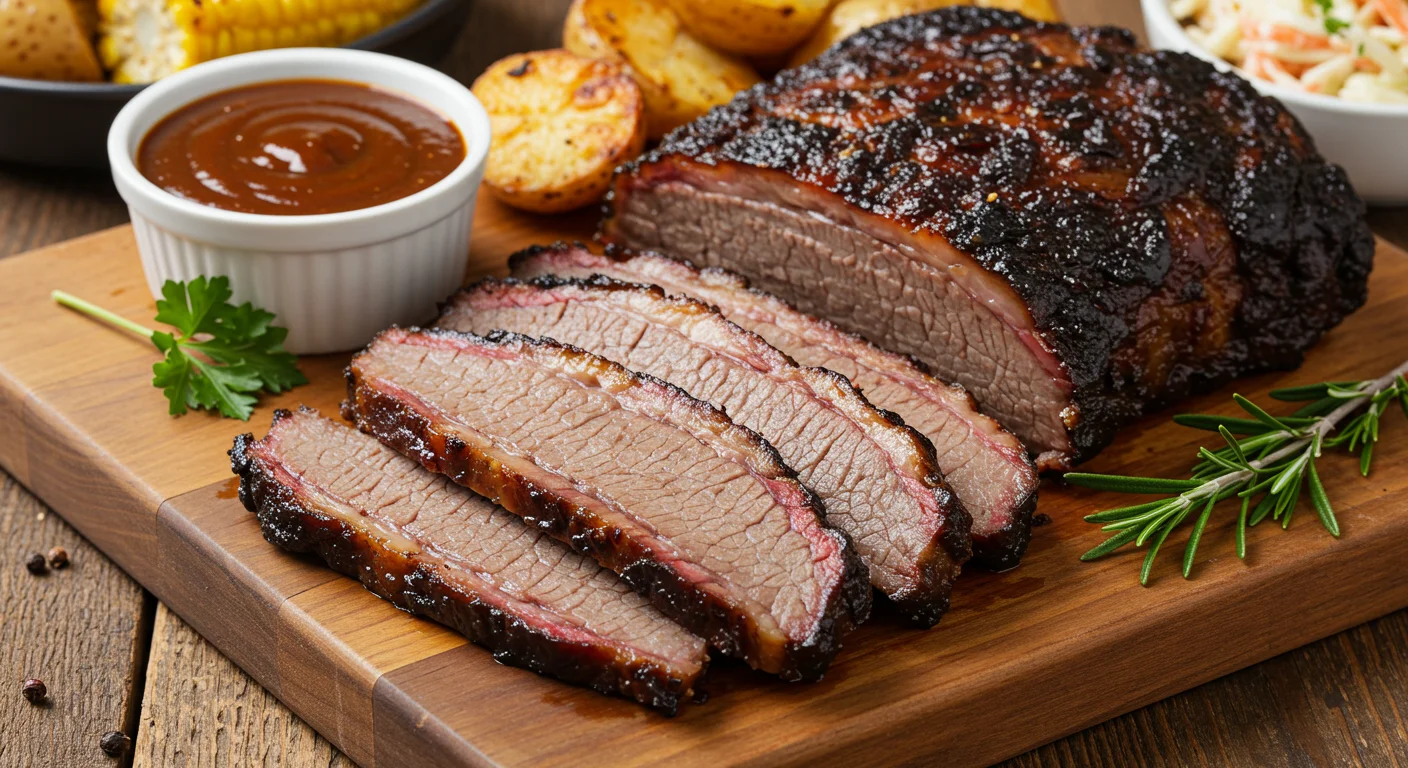
Slow Cooked Beef Brisket: The Ultimate Guide for Tender Results
Slow cooked beef brisket turns a tough cut of meat into something tender and full of flavor. This method utilizes low heat over several hours to break down connective tissue, resulting in meat that is juicy and easily sliced or shredded.
The best way to achieve tender brisket at home is to cook it low and slow in a crockpot or similar slow cooker.
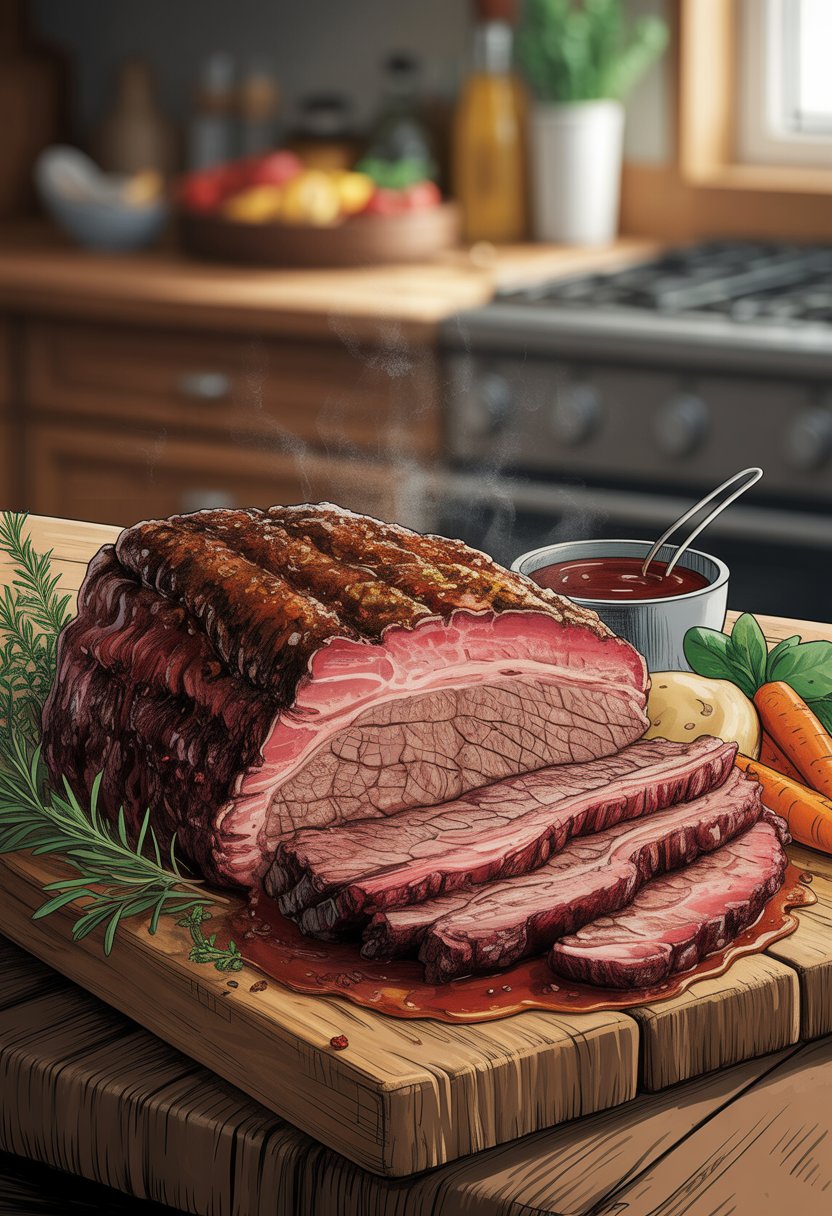
Many home cooks find brisket intimidating because it can dry out if rushed. With the right preparation and ingredients, though, it becomes a reliable dish for family meals or gatherings.
Seasonings, cooking liquid, and time all play a role in creating the rich flavor that makes brisket so popular.
This guide explains what brisket is, how to prepare it for the slow cooker, step-by-step cooking instructions, and simple ways to serve it.
It also covers how to store leftovers safely and use them in other meals.
Understanding Beef Brisket

Beef brisket comes from the lower chest of the cow and contains a high amount of connective tissue. The cut is flavorful but tough, which is why it benefits from slow cooking methods that allow the fibers to break down and create tender meat.
Selecting the right cut and cooking style makes a big difference in the final result.
What Is Beef Brisket?
Beef brisket is one of the primal cuts of beef, located in the breast or lower chest area. Because the muscles in this area support much of the animal’s weight, brisket has dense fibers and a significant amount of connective tissue.
The cut is divided into two main parts:
- Flat (First Cut): Leaner, with less marbling, and slices neatly.
- Point (Second Cut): Contains more fat and marbling, making it juicier and ideal for shredding.
Brisket is commonly used in slow cooker beef brisket, BBQ beef brisket, and braised dishes.
Its texture and flavor improve when cooked for long periods at low temperatures, which allows the collagen to melt into gelatin.
This process gives the meat a tender and moist consistency that other quick-cooking methods cannot achieve.
Choosing the Right Cut
When buying brisket, the choice between the flat and the point depends on the cooking method and serving preference.
The flat cut works well for those who want uniform slices, such as for sandwiches or plated meals.
The point cut is better for recipes that call for shredded meat or a richer flavor.
A whole packer brisket includes both cuts and is often preferred for smoking or long slow cooking, as it balances lean slices with juicy, fatty portions.
Weight also matters; smaller briskets cook faster, while larger ones may need up to 10 hours in a slow cooker.
Look for visible marbling throughout the meat.
Fat helps keep the brisket moist during cooking, and it adds flavor to the final dish.
Trimming excess surface fat before cooking is common, but leaving a thin layer can prevent the meat from drying out.
Why Slow Cooking Works Best
Brisket’s structure makes it ideal for low and slow cooking.
The collagen in the connective tissue requires time and gentle heat to break down into gelatin.
This transformation is what gives slow cooker brisket its tender and juicy texture.
Cooking brisket quickly at high heat often leaves it chewy and dry.
In contrast, using a slow cooker or smoker at low temperatures allows the meat to stay moist while evenly absorbing flavors from spices, broth, or barbecue sauce.
Slow cooking also provides flexibility.
Brisket can be cooked with aromatics like onion and garlic, paired with broth for a savory flavor, or finished with BBQ sauce for a smoky, slightly sweet profile.
Essential Ingredients for Slow Cooked Beef Brisket
A tender brisket depends on the right cut of meat, balanced seasoning, and a cooking liquid that adds depth without overpowering the beef.
Each element works together to create a dish that is both flavorful and moist.
Key Components of a Flavorful Brisket
The foundation of brisket is the cut itself.
The flat cut is leaner and slices neatly, while the point cut has more marbling and works well for shredding.
Choosing the right cut depends on how the brisket will be served.
Seasoning is critical.
A dry rub often includes garlic salt, onion powder, black pepper, smoked paprika, and brown sugar.
Salt brings out the natural beef flavor, while sugar balances the spices and helps with browning.
Fresh aromatics like onions and garlic add moisture and complexity during slow cooking.
They break down over hours of heat, blending into the broth and sauce.
Many cooks layer them under and over the brisket for even flavor distribution.
Best BBQ Sauces and Seasonings
Barbecue sauce can be used during cooking or brushed on at the end.
A sauce with a balance of sweetness, acidity, and spice works best.
Common bases include tomato, vinegar, or mustard.
When selecting a sauce, look for ingredients like brown sugar for sweetness, vinegar for tang, and smoked paprika for depth.
This combination enhances the natural beef flavor without overwhelming it.
Some prefer to apply a dry rub first, then finish the brisket with a thin coating of BBQ sauce under the broiler.
This creates a caramelized crust while keeping the interior tender.
Others mix a small amount of sauce into the cooking liquid to infuse flavor throughout.
Selecting the Perfect Beef Broth
The cooking liquid keeps the brisket moist and forms the base of the sauce or gravy.
Beef broth is the most common choice because it reinforces the meat’s natural flavor.
Low-sodium broth is often recommended.
It allows better control over seasoning, especially when combined with salty ingredients like soy sauce or Worcestershire.
Adding too much salt early can make the final dish overly seasoned.
For more depth, cooks often add garlic, onions, and thyme directly to the broth.
These aromatics release flavor slowly and enrich the liquid.
The broth can later be thickened into a gravy that pairs well with sliced brisket.
Preparing Your Brisket for the Slow Cooker
Getting beef brisket ready for slow cooking involves a few key steps that affect tenderness and flavor.
Proper trimming, seasoning, and marinating help the meat cook evenly and absorb spices more effectively.
Trimming and Seasoning the Brisket
A whole brisket often comes with a thick fat cap.
Leaving some fat is useful because it keeps the meat moist during long cooking, but too much fat can make the finished dish greasy.
Most cooks trim the fat layer down to about ¼ inch.
This balance allows the brisket to baste itself while still letting seasonings penetrate the meat.
Seasoning starts with simple ingredients like salt and black pepper.
These basics enhance the natural beef flavor and create a foundation for other spices.
Some prefer to add garlic powder, onion powder, or paprika for depth.
When seasoning, it helps to coat the brisket evenly on all sides.
Rubbing the spices into the surface ensures better coverage and flavor distribution during the cooking process.
Applying a Dry Rub
A dry rub builds layers of flavor that develop during hours in the slow cooker.
Common ingredients include:
- Smoked paprika for a mild smokiness
- Brown sugar for sweetness and caramelization
- Chili powder or cumin for warmth and spice
- Garlic powder for savory notes
The rub should be applied generously, pressing it into the meat rather than just sprinkling it on top.
This helps the seasoning stick and form a flavorful crust once the brisket is cooked.
Some brisket recipes suggest preparing extra rub in advance.
Storing it in an airtight container makes it easy to season future cuts without measuring out each spice again.
Marinating for Maximum Flavor
Marinating is optional but can enhance the final result.
Allowing the seasoned brisket to rest in the refrigerator overnight gives the dry rub more time to penetrate the meat fibers.
If marinating, the brisket should be wrapped tightly or placed in a covered container to prevent drying out.
A resting period of at least 8 hours is common, though even a few hours can make a difference.
Some cooks choose to sear the brisket briefly after marinating.
This step is not required for a slow cooker beef brisket recipe but can add a bit of texture and flavor before the long cook begins.
Step-by-Step Guide to Slow Cooking Beef Brisket
Slow cooking brisket requires careful layering of ingredients, steady heat, and proper finishing.
The process ensures the meat stays moist, tender, and flavorful while also creating a sauce or glaze that complements the beef.
Layering Ingredients in the Slow Cooker
The order of ingredients in the slow cooker affects both texture and flavor.
The brisket should rest directly on the bottom, usually fat side down, where it can absorb heat and render slowly.
Placing it first also prevents vegetables from overcooking.
A simple dry rub or seasoning blend should coat the meat before it goes into the pot.
Common additions include salt, black pepper, garlic, onion powder, and paprika.
For slow cooker BBQ brisket, a spice rub with chili powder or smoked paprika works well.
Vegetables such as carrots, onions, potatoes, and celery can be placed on top of the brisket.
This keeps them from becoming mushy while still absorbing flavor from the meat and cooking liquid.
Fresh herbs like thyme or bay leaves may be layered directly on the brisket for deeper seasoning.
Liquid is essential to prevent drying out.
Beef stock, Worcestershire sauce, or a mix of stock and barbecue sauce can be poured around the meat.
The brisket should be partially submerged, not fully covered, to maintain balance between braising and roasting.
Cooking Times and Temperatures
Brisket benefits from low, steady heat to break down collagen and connective tissue.
Cooking on low heat for 8–10 hours usually produces the most tender results.
On high heat, 5–6 hours is common, though the texture may be slightly less soft.
The size of the cut matters.
A 2–3 pound brisket cooks faster than a 4–5 pound piece.
Flat cuts are easier to slice, while point cuts contain more fat and cook down richer.
It is important to check tenderness toward the end of cooking.
The brisket should slice cleanly across the grain but not fall apart completely.
If it shreds like pulled beef, it has cooked too long.
For slow cooker BBQ beef brisket, adding sauce during the last hour of cooking helps prevent burning and keeps the glaze from becoming too thin.
Finishing Touches: Broiling and Resting
Once the brisket is cooked, removing it from the slow cooker carefully is key, since the meat will be delicate.
Placing it on a foil-lined baking sheet makes finishing easier.
For a slow cooker BBQ brisket, brushing the meat with barbecue sauce and broiling it in the oven for 5–10 minutes creates a caramelized crust.
This step adds flavor and improves presentation.
After broiling, the brisket should rest for at least 15 minutes.
Resting allows juices to redistribute, making slices more moist and less likely to dry out.
Cutting against the grain ensures tender pieces.
Any leftover cooking liquid can be strained and reduced on the stovetop into a sauce.
This can be served over the sliced brisket or used to moisten sandwiches made from the leftovers.
Serving Suggestions and Side Dishes
Slow cooked beef brisket benefits from careful slicing, thoughtful plating, and side dishes that balance its rich, tender texture.
Pairing it with both traditional and creative options helps highlight its smoky depth and caramelized flavor.
Slicing and Plating Techniques
Brisket should rest for at least 20 minutes before slicing to retain juices.
A sharp slicing knife or carving knife works best.
Cutting against the grain ensures tender, easy-to-chew slices.
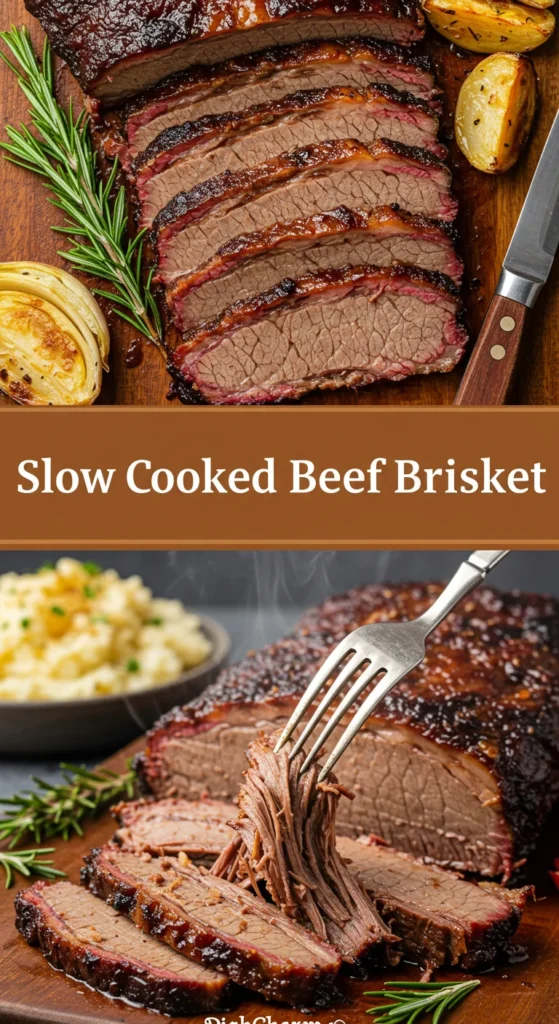
For presentation, arrange slices in a slightly overlapping line on a large platter.
This keeps the meat intact while showing off the bark and smoke ring.
Adding a drizzle of pan juices or a light glaze of barbecue sauce keeps the surface moist.
Fresh herbs like parsley can be sprinkled on top for color.
Serving with warm rolls or cornbread on the side makes the plate look complete.
Classic Sides for Beef Brisket
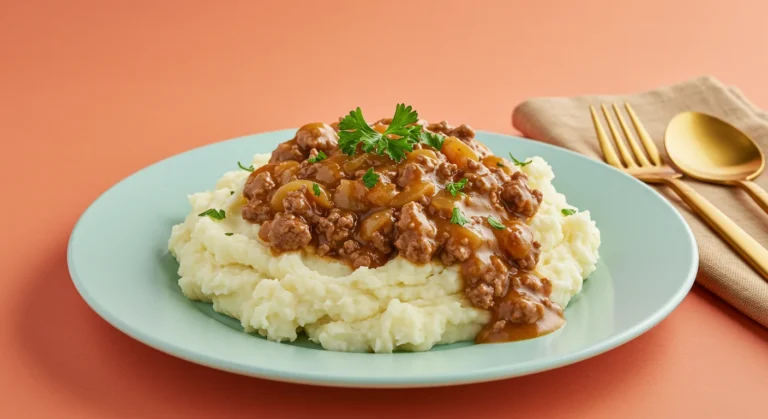
Traditional sides bring comfort and balance to brisket’s richness. Mashed potatoes are a staple, offering a creamy and mild base that contrasts with smoky meat.
A touch of garlic or butter enhances the pairing.
Cornbread is another classic. Its slightly sweet crumb complements brisket’s savory flavor.
When grilled, the edges develop a caramelized flavor that adds texture to the meal.
Other reliable choices include:
- Coleslaw for crunch and acidity
- Baked beans for a smoky-sweet match
- Roasted vegetables such as carrots or Brussels sprouts
Creative Serving Ideas
Beyond the classics, brisket can be served in versatile ways. Sliced brisket works well in sandwiches with pickles and onions.
It is also delicious in tacos topped with slaw and a squeeze of lime.
For a fresh twist, pair brisket with grilled zucchini or roasted eggplant with lemon. These lighter vegetables cut through the richness while adding variety to the plate.
Brisket also pairs well with loaded potato casseroles or cheesy mac and cheese. Waffle fries offer a casual approach.
Storing and Using Leftover Beef Brisket
Leftover beef brisket can stay tender and flavorful if stored correctly, reheated with care, and used in simple, practical recipes.
Proper Storage Methods
Cooked brisket should cool before storage. Let it rest at room temperature for no more than two hours to prevent bacterial growth.
Once cooled, it can be stored either whole or sliced. Keeping it whole helps retain more moisture, while slicing makes it easier to portion later.
For refrigeration, wrap the brisket tightly in foil, plastic wrap, or an airtight container. Adding cooking juices or broth helps maintain tenderness.
Properly stored in the refrigerator, brisket lasts 3–4 days.
For longer storage, freezing works best. Divide the brisket into smaller portions.
Wrap each tightly in plastic and foil, or use vacuum-sealed bags. Label with the date before freezing.
At 0°F (-18°C), brisket can keep for up to 3 months without major flavor loss.
Reheating for Best Results
Gentle reheating prevents brisket from drying out. The oven is the most reliable method.
Place the brisket in a baking dish with a small amount of broth or sauce. Cover with foil, and warm at 250–325°F (120–165°C) until heated through.
For sliced brisket, reheating on the stovetop works well. Add a splash of liquid to a skillet, cover with a lid, and heat over low to medium heat until warm.
This keeps the meat moist and prevents toughness. Sous vide is another option for those with the equipment.
Sealing the brisket in a bag and warming it in a 140°F (60°C) water bath for 1–2 hours maintains tenderness and flavor. Avoid microwaving when possible, as it often leads to uneven heating and dryness.
Delicious Leftover Recipes
Leftover brisket works well in many dishes because it is already cooked and seasoned. Shredded brisket makes quick tacos when paired with tortillas, onions, cilantro, and lime.
It also fits well in sandwiches layered with barbecue sauce, pickles, or coleslaw. For a heartier option, chopped brisket can be added to chili or stew, giving the dish a smoky depth.
Other ideas include brisket fried rice, quesadillas, or breakfast hash with potatoes and eggs.
Frequently Asked Questions
Slow cooked beef brisket depends on the right balance of seasoning, cooking method, and liquid. Small details like slicing against the grain and allowing the meat to rest make a noticeable difference in tenderness and flavor.
What are the key ingredients for a classic beef brisket sauce?
A basic sauce often includes beef broth, onion, garlic, and tomato or barbecue base. Many cooks add brown sugar, vinegar, or Worcestershire sauce for balance.
Spices like paprika, black pepper, and chili powder provide depth without overwhelming the beef.
How can I achieve a melt-in-your-mouth texture with a slow cooker beef brisket?
Cooking on low heat for 8–10 hours allows the connective tissue to break down slowly. Resting the brisket for at least 10 minutes before slicing helps keep it juicy.
Cutting against the grain ensures slices stay tender instead of chewy.
What are some easy beef brisket recipes for a slow cooker?
One simple recipe uses a spice rub, onions, garlic, beef broth, and barbecue sauce. Another option replaces broth with beer for a deeper flavor.
A Tex-Mex version can include cumin, chili powder, and jalapeños for a spicier dish.
How long should I cook a beef brisket in the oven to make it tender?
In the oven, brisket usually cooks at 300°F (150°C) for 3–4 hours for smaller cuts, or 5–6 hours for larger ones. Covering the pan with foil helps retain moisture.
The meat should reach about 190°F (88°C) internally for fork-tender results.
What are the best liquids to use for slow cooking a beef brisket to enhance its flavor?
Common choices include beef broth, stock, wine, or beer. Barbecue sauce or tomato-based sauces add sweetness and acidity.
Some cooks use apple cider vinegar or soy sauce for extra depth. The liquid should cover most of the meat to keep it moist.
Can you provide a step-by-step guide for making pulled beef brisket in a slow cooker?
Trim excess fat from the brisket.
Season with salt, pepper, and a spice rub.
Place onions and garlic in the slow cooker.
Add brisket on top and pour in broth or sauce.
Cook on low for 8–10 hours.
Shred the brisket with two forks.
Mix the meat with the cooking liquid before serving.
Slow Cooked Beef Brisket
Equipment
- 1 Slow cooker or crockpot 6-quart size recommended for larger briskets.
- 1 Sharp Knife For trimming fat and slicing brisket.
- 1 Cutting Board For prepping ingredients.
- 1 Measuring spoons For precise seasoning measurements.
- Optional Basting brush For applying barbecue sauce during finishing.
Ingredients
Main Ingredients
- 3–4 lbs Beef brisket Choose flat cut for slicing, point cut for shredding.
- 2 tbsp Salt Enhances natural beef flavor.
- 1 tbsp Black pepper Adds depth and spice.
- 1 tbsp Garlic powder For savory notes.
- 1 tbsp Onion powder Adds aromatic flavor.
- 1 tbsp Smoked paprika Provides mild smokiness.
- 2 tbsp Brown sugar Balances spices and aids caramelization.
- 1 cup Beef broth Low-sodium recommended for better seasoning control.
- ¼ cup Worcestershire sauce Adds tang and umami.
- ½ cup Barbecue sauce for glazing. (Optional)
Optional Ingredients
- 1 onion Yellow onion (sliced) Adds moisture and flavor.
- 3 cloves Garlic (minced) Infuses savory richness.
- 2 sprigs Fresh thyme For herbal depth.
- 1 bay leaf Bay leaf Enhances the cooking liquid.
Instructions
Step-by-Step Recipe
Prepare the Brisket:
- Trim excess fat from the brisket, leaving about ¼ inch to keep it moist during cooking.
- In a small bowl, mix salt, black pepper, garlic powder, onion powder, smoked paprika, and brown sugar to create a dry rub.
- Rub the seasoning blend evenly over all sides of the brisket, pressing it into the surface for better adhesion.
Layer Ingredients in the Slow Cooker:
- Place sliced onions and minced garlic at the bottom of the slow cooker to prevent sticking and add moisture.
- Lay the seasoned brisket on top, fat side down, for even cooking.
- Pour beef broth and Worcestershire sauce around the brisket, ensuring it is partially submerged but not fully covered.
Slow Cook the Brisket:
- Cover and cook on LOW for 8–10 hours or HIGH for 5–6 hours. Cooking time depends on brisket size and desired tenderness.
- Avoid opening the lid frequently, as this can disrupt the cooking process and extend cooking time.
Finish and Rest the Brisket:
- Carefully remove the brisket from the slow cooker and place it on a foil-lined baking sheet.
- If desired, brush with barbecue sauce and broil in the oven for 5–10 minutes to create a caramelized crust.
- Let the brisket rest for 15–20 minutes before slicing against the grain for tender pieces.
Prepare Sauce (Optional):
- Strain the cooking liquid into a saucepan. Simmer over medium heat until reduced and slightly thickened. Serve as a gravy or sauce over the brisket.
Notes
-
- Storage: Store leftovers tightly wrapped in foil or plastic wrap in the refrigerator for up to 3–4 days. Freeze portions in vacuum-sealed bags for up to 3 months.
- Reheating: Reheat gently in the oven at 250–325°F (120–165°C) with a splash of broth to maintain moisture. Avoid microwaving to prevent dryness.
- Customizations: Add vegetables like carrots, potatoes, or celery directly to the slow cooker for a one-pot meal.
Frequently Asked Questions
-
What are the key ingredients for a classic beef brisket sauce?
- Beef broth, onion, garlic, Worcestershire sauce, brown sugar, vinegar, and spices like paprika, black pepper, and chili powder.
-
How can I achieve a melt-in-your-mouth texture with a slow cooker beef brisket?
- Cook on low heat for 8–10 hours to break down collagen. Rest the brisket before slicing and cut against the grain.
-
What are some easy beef brisket recipes for a slow cooker?
- Use a spice rub, onions, garlic, beef broth, and barbecue sauce. Variations include adding beer, wine, or Tex-Mex spices.
- How long should I cook a beef brisket in the oven to make it tender?
- Bake at 300°F (150°C) for 3–6 hours, depending on size, until the internal temperature reaches 190°F (88°C).
-
What are the best liquids to use for slow cooking a beef brisket to enhance its flavor?
- Beef broth, stock, wine, beer, apple cider vinegar, soy sauce, or tomato-based sauces.
-
Can you provide a step-by-step guide for making pulled beef brisket in a slow cooker?
- Trim fat, season, layer with aromatics, add liquid, cook on low for 8–10 hours, shred, and mix with cooking liquid before serving.
Tips & Tricks
- Flavor Enhancement: Marinate the brisket overnight with the dry rub for deeper seasoning penetration.
- Presentation: Garnish with fresh herbs like parsley or drizzle with pan juices for added visual appeal.
- Leftovers: Use shredded brisket in tacos, sandwiches, chili, or breakfast hash for versatile meal options.
Plating and Garnishing
- Garnish: Sprinkle chopped parsley or cilantro over the brisket for freshness.
- Serving Style: Arrange slices neatly on a platter or serve shredded brisket in a bowl with sauce for casual dining.
- Sides: Pair with mashed potatoes, cornbread, coleslaw, roasted vegetables, or waffle fries for a complete meal.